One of the most common concerns about dock-based drone operations is weather reliability. Can a drone dock really operate through European winters, coastal storms, and heatwaves without human intervention?
The answer depends on the dock’s IP (Ingress Protection) rating, temperature range, and wind resistance. This guide explains what these specifications mean in practice and how they translate to operational availability across European climate zones.
Understanding IP Ratings
The IP code (defined by IEC 60529) uses two digits to indicate protection levels:
First digit: Solids (dust)
- 5 = Dust-protected (limited ingress, no harmful deposits)
- 6 = Dust-tight (complete protection)
Second digit: Liquids (water)
- 5 = Protection against low-pressure water jets from any direction
- 6 = Protection against powerful water jets from any direction
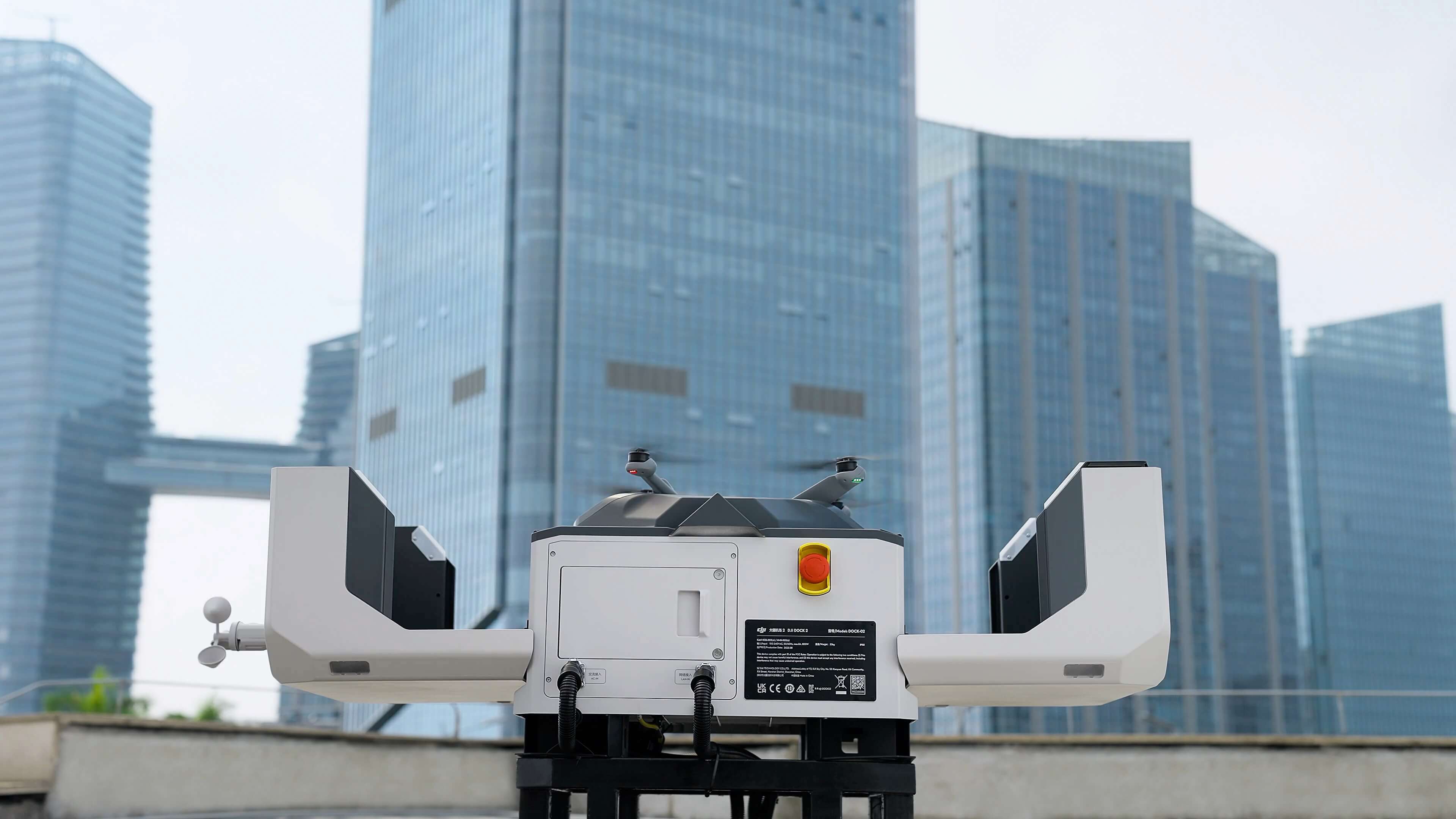
IP55 (DJI Dock 2)
Dust-protected with protection against water jets. Handles standard rain, light snow, and moderately dusty environments. Can struggle with heavy horizontal rain, salt spray in coastal environments, or prolonged water exposure.
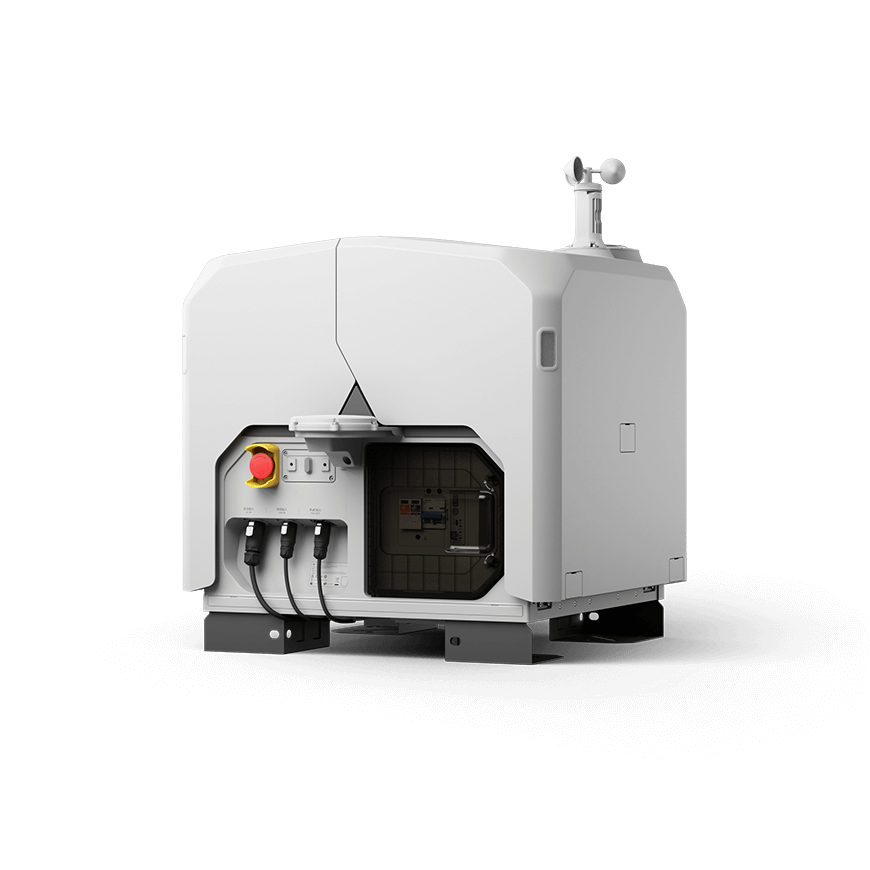
IP56 (DJI Dock 3)
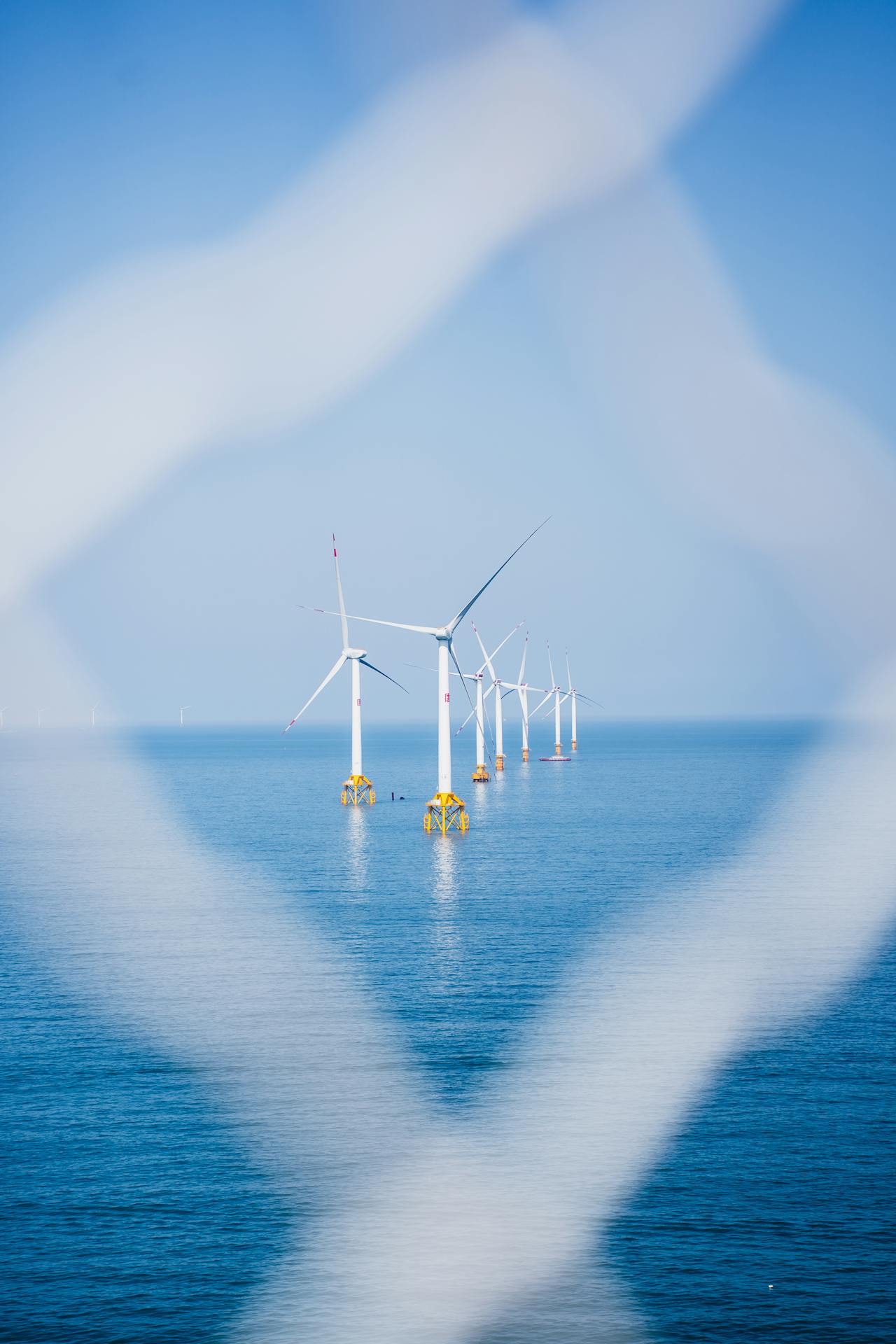
Dust-protected with protection against powerful water jets. Handles heavy rain, storm conditions, salt spray, and aggressive washing. The higher water protection is significant for coastal, offshore, and exposed mountaintop installations.
Temperature Ranges
| Dock | Operating Range | Practical Implication |
|---|---|---|
| DJI Dock 3 | -30°C to 50°C | Full Nordic winter to Mediterranean summer |
| DJI Dock 2 | -25°C to 45°C (below -20°C the dock stays in standby and the aircraft cannot fly) | Central European range, marginal for extreme cold |
The Dock 3’s -30°C rating covers virtually all inhabited European locations year-round. The Dock 2’s -25°C is adequate for Central and Southern Europe but becomes marginal in:
- Northern Norway, Sweden, and Finland during deep winter
- Mountain passes and high-altitude construction sites
- Exposed coastal sites where wind chill drops effective temperature
The Dock 3 includes integrated lid heating that prevents ice and snow accumulation on the landing pad — essential for reliable autonomous operations in freezing conditions.
Wind Resistance
| Dock | Max Allowable Landing Wind Speed | Aircraft — During Operation | Aircraft — Takeoff / Landing |
|---|---|---|---|
| DJI Dock 3 (M4D / M4TD) | 12 m/s (43 km/h) | 12 m/s (43 km/h) | 12 m/s (43 km/h) |
| DJI Dock 2 (M3D / M3TD) | 8 m/s (29 km/h) | 12 m/s (43 km/h) | 8 m/s (29 km/h) |
Max allowable landing wind speed — DJI’s published limit for the dock itself. Above it, the drone cannot be recovered into the dock, so flights are automatically postponed.
Aircraft wind resistance — DJI publishes separate during-operation and takeoff/landing figures for each aircraft. On the Dock 2’s Matrice 3D/3TD the binding constraint is the 8 m/s takeoff and landing limit, not the 12 m/s in-flight figure.
DJI publishes no storm “survival” wind rating for either dock, so exposed sites should be planned around the landing limits above.
The Dock 3’s 12 m/s landing limit covers a large majority of European operating days. The Dock 2’s 8 m/s limit is more restrictive, particularly for:
- UK and Ireland (frequent 10+ m/s winds)
- North Sea coastal installations
- Offshore and maritime operations
- Mountain and elevated ridge sites
Automatic Weather Management
Both DJI docks include integrated weather stations that continuously monitor conditions and automatically manage flight operations:
-
Pre-flight check — Before every launch, the dock verifies wind speed, precipitation, temperature, and humidity against configurable thresholds.
-
In-flight monitoring — During the mission, if weather conditions deteriorate beyond safe thresholds, the dock commands an automatic return-to-dock.
-
Automatic postponement — If conditions prevent launch at a scheduled time, the dock automatically delays and retries when conditions improve. No human intervention needed.
-
Ride-out of power interruptions — Both docks carry a 12 Ah backup battery. DJI rates it for more than four hours on the Dock 3 and more than five hours on the Dock 2 at 25°C, though while running on backup the dock cannot charge the aircraft or run its air conditioning, cover heating, or wind gauge heating.
This autonomous weather management means the dock extracts maximum flying time from available weather windows — something a scheduled piloted operation cannot match because pilot availability rarely aligns with optimal weather conditions.
Choosing the Right Dock for Your Climate
Dock 3 recommended for:
- Any coastal or offshore installation
- Nordic countries (Norway, Sweden, Finland, Denmark)
- Mountain or exposed ridge sites
- Sites requiring year-round daily operations
- Installations where weather downtime must be minimised
Dock 2 adequate for:
- Inland Central European sites
- Southern European installations
- Sheltered or urban locations
- Seasonal operations (spring through autumn)
For a personalised recommendation based on your site conditions, use our Dock Deployment Planner.
Getting Started
THE FUTURE 3D deploys weather-hardened dock systems across all European climate zones. We offer DJI Dock 3 for harsh environments, DJI Dock 2 for moderate conditions, and our proprietary dock system (lower deployment cost) designed for European deployment.
Request a deployment quote or learn more at our Dock Operations Hub.
Ready to Start Your Project?
Get a free quote and consultation from our 3D scanning experts.
Get Your Free Quote