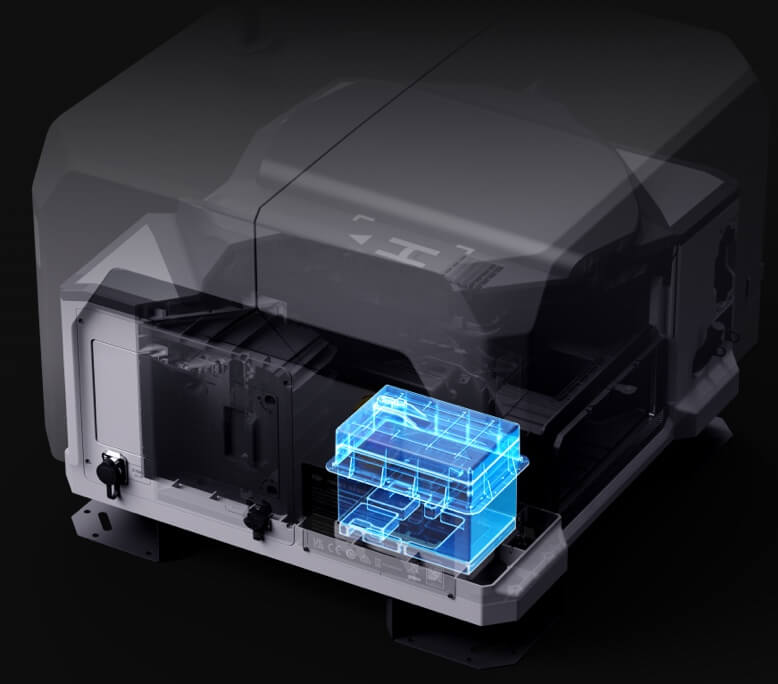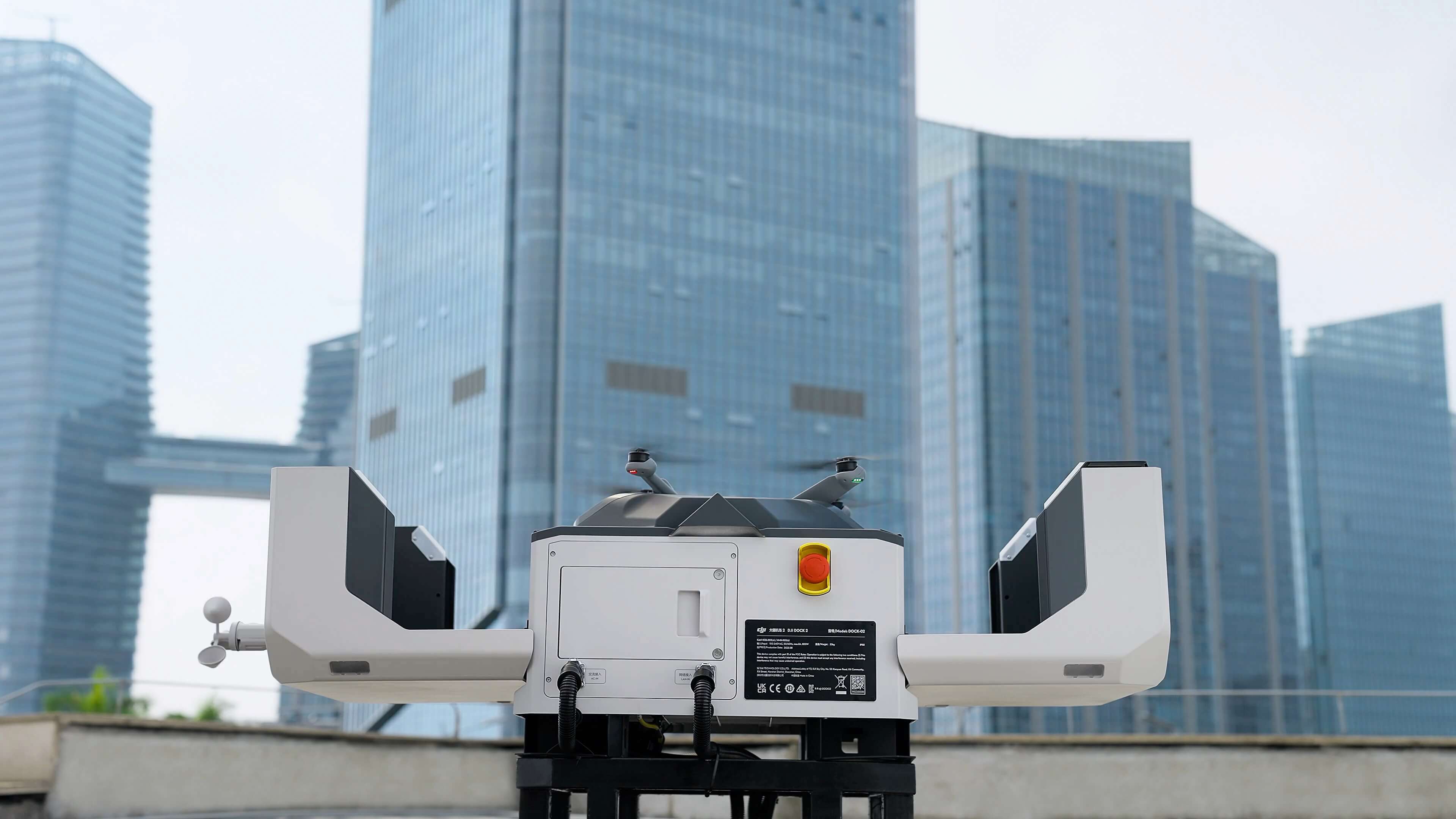
DJI’s two current drone docking stations — the Dock 2 and the Dock 3 — serve different deployment scenarios across European construction, energy, infrastructure, and monitoring operations. Choosing the right dock depends on your site conditions, monitoring frequency, weather environment, and budget constraints.
This guide compares both docks side-by-side using verified specifications, real-world deployment factors, and recommendations based on our experience deploying dock-based drone systems across European markets.
DJI’s official Dock 2 and Dock 3 manuals are free downloads — no email required — in our equipment spec-sheet library, which also links DJI’s official specifications pages for both docks.
DJI Dock 3: The Flagship Station
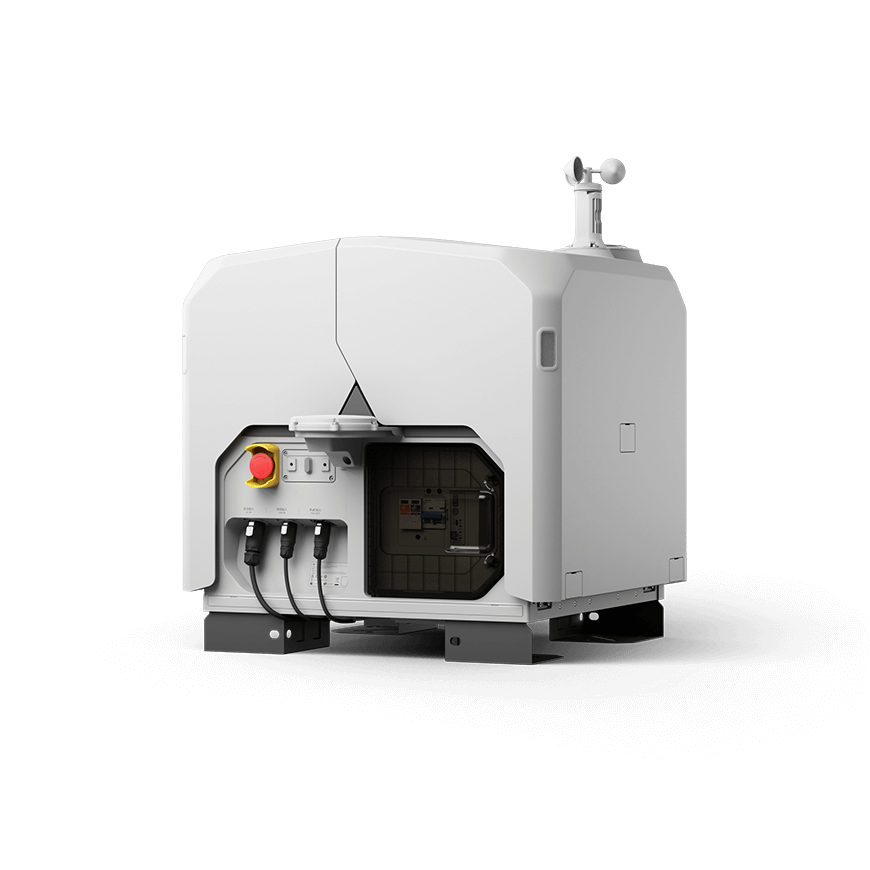
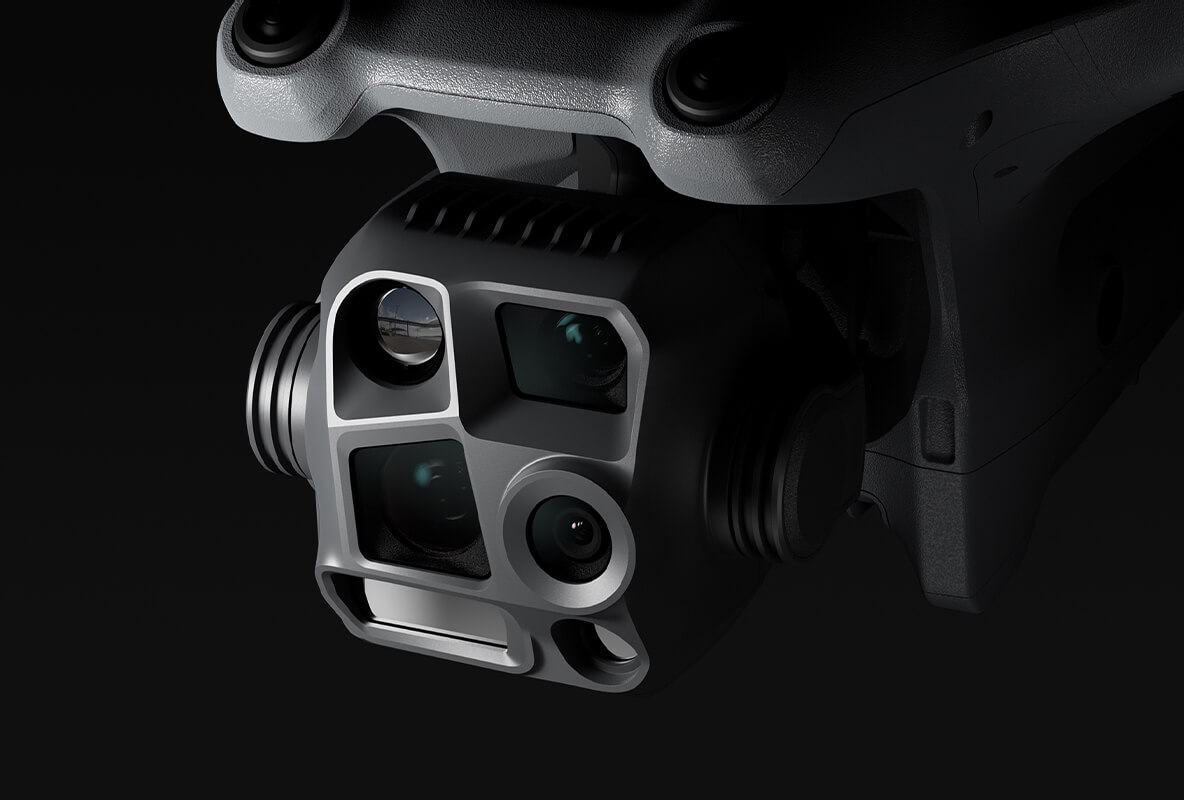
The DJI Dock 3 is DJI’s latest and most capable drone docking station. Released in 2025, it pairs with the Matrice 4D (three RGB cameras + laser rangefinder) and Matrice 4TD (RGB + thermal) drones and supports DJI’s newest O4+ Enterprise transmission system.
Dock 3 Key Specifications
- Weight: 55 kg (without aircraft)
- IP Rating: IP56 — full protection against dust and powerful water jets
- Operating Temperature: -30°C to 50°C — suitable for Nordic winters and Mediterranean summers
- Max Allowable Landing Wind Speed: 12 m/s (the M4D/4TD is also rated 12 m/s during operation)
- Transmission: O4+ Enterprise — max transmission distance FCC 25 km, CE/SRRC/MIC 12 km (unobstructed)
- Compatible Drones: Matrice 4D, Matrice 4TD
- Aircraft Charging Time: 27 minutes (15%→95% at 25°C)
- Deployment: Fixed installation or vehicle-mounted (first DJI dock to support mobile mounting)
The Dock 3’s IP56 rating is particularly significant for European operations. It can withstand heavy rain, salt spray in coastal environments, and snow accumulation (integrated lid heating prevents ice build-up). The -30°C lower limit means it operates through Scandinavian winters without supplemental heating.
DJI Dock 2: The Portable Alternative
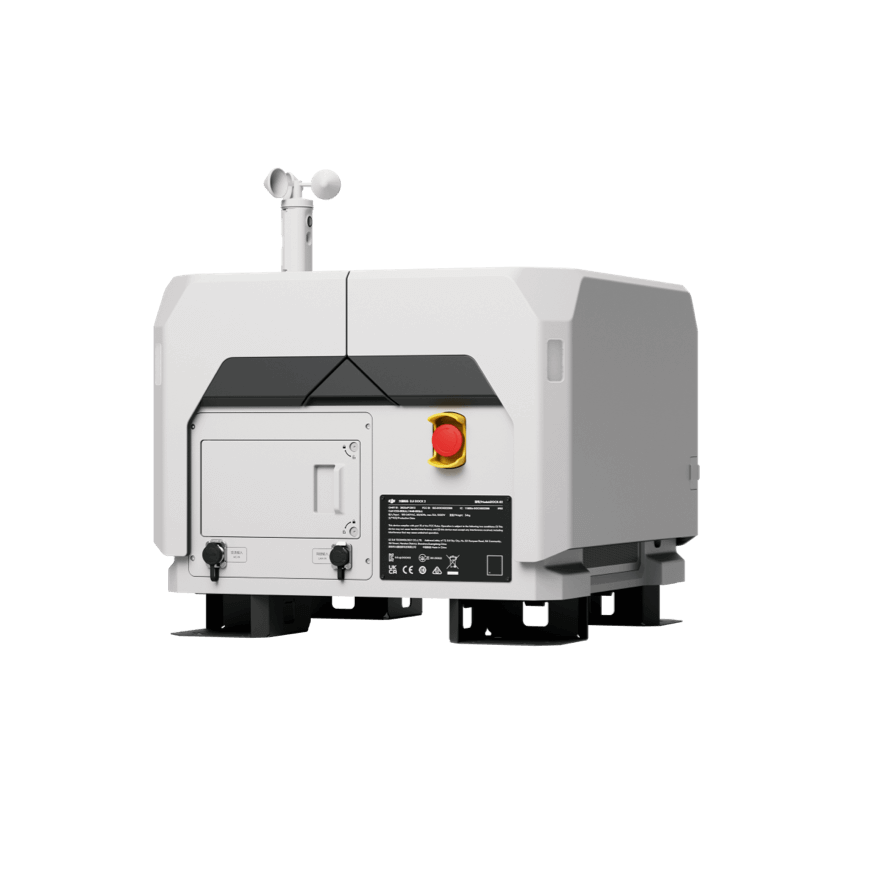
The DJI Dock 2 was released in 2024 as a compact, lightweight alternative to the original DJI Dock. At 34 kg, it is significantly easier to transport and deploy than the Dock 3, making it ideal for temporary installations and sites where the dock may need to be relocated.
Dock 2 Key Specifications
- Weight: 34 kg (without aircraft)
- IP Rating: IP55 — protection against dust and low-pressure water jets
- Operating Temperature: -25°C to 45°C (below -20°C the dock stays in standby and the aircraft cannot fly)
- Max Allowable Landing Wind Speed: 8 m/s (the M3D/3TD is rated 12 m/s during operation, 8 m/s during takeoff and landing)
- Transmission: O3 Enterprise
- Compatible Drones: Matrice 3D, Matrice 3TD
- Aircraft Charging Time: 32 minutes (20%→90% at 25°C)
- Deployment: Fixed installation, rapid setup
Side-by-Side Comparison
| Feature | DJI Dock 3 | DJI Dock 2 |
|---|---|---|
| Weight (without aircraft) | 55 kg | 34 kg |
| IP Rating | IP56 | IP55 |
| Temperature Range | -30°C to 50°C | -25°C to 45°C |
| Max Allowable Landing Wind Speed | 12 m/s | 8 m/s |
| Max Transmission Distance (FCC / CE, unobstructed) | O4+ Enterprise — 25 km / 12 km | O3 Enterprise — 15 km / 8 km |
| Aircraft Max Operating Radius | 10 km (M4D/4TD, per DJI: ~25°C, 15% safe battery level, windless, ~15 m/s round-trip flight speed, 18 minutes hovering) | 10 km (M3D/3TD, per DJI: 25°C, 25% safe battery level, ~4 m/s wind, ~15 m/s round-trip flight speed, 10 minutes hovering) |
| Drone Compatibility | M4D / M4TD | M3D / M3TD |
| Aircraft Max Flight Time | 54 min | 50 min |
| Aircraft Charging Time | 27 min (15%→95%) | 32 min (20%→90%) |
| Vehicle Mounting | Yes | No |
Which Dock for Which Use Case?
Choose Dock 3 When:
- Permanent installations on critical infrastructure sites
- Harsh weather environments — offshore platforms, Nordic operations, coastal sites
- High-frequency monitoring — daily or multiple-daily flights required
- Large coverage areas — the M4D’s longer flight time extends effective coverage
- Multi-sensor needs — thermal plus RGB, or long-range zoom and laser rangefinding
- Vehicle-mounted deployment — the Dock 3 uniquely supports mobile dock mounting on trucks and vessels
Choose Dock 2 When:
- Temporary deployments — construction sites that change every 6-18 months
- Budget-sensitive projects — lower acquisition and installation cost
- Moderate weather — sites in Southern/Central Europe with mild conditions
- Smaller sites — under 100 hectares with weekly or biweekly monitoring
- Rapid setup required — lighter weight means faster installation
- Secondary/backup dock — supplementing a Dock 3 installation
THE FUTURE 3D Proprietary Dock
In addition to DJI’s offerings, THE FUTURE 3D has developed a proprietary dock system that is priced below standard DJI dock pricing. The proprietary dock is EASA-compliant, supports multi-platform drone compatibility, and is designed specifically for European deployment conditions. Contact us for detailed specifications and a deployment quote.
European Climate Considerations
Europe’s diverse climate zones directly influence dock selection:
Northern Europe (Scandinavia, UK, Benelux): The Dock 3’s -30°C rating and IP56 protection make it the clear choice. Dock 2’s -25°C and IP55 may be insufficient for Norwegian winters or North Sea coastal installations.
Central Europe (Germany, France, Austria): Either dock works for most applications. Choose based on monitoring frequency and site permanence rather than weather protection.
Southern Europe (Spain, Italy, Greece): The Dock 2’s 45°C upper limit is sufficient for most locations. However, the Dock 3’s 50°C rating provides margin for exposed installations in direct sunlight during summer.
Regulatory Context
Both DJI Dock 2 and Dock 3 operations fall under the EASA Specific Category and require a SORA (Specific Operations Risk Assessment) approval from the National Aviation Authority in each country of operation. The dock model does not affect the regulatory pathway — the same SORA process applies regardless of whether you deploy a Dock 2 or Dock 3.
Use our BVLOS Compliance Checker to check the regulatory status for your specific European country, or our Dock Deployment Planner for a personalised dock recommendation.
Getting Started
THE FUTURE 3D deploys both DJI docks and our proprietary system across European markets. We handle everything from site assessment and SORA documentation to dock installation, flight path programming, and ongoing fleet management.
Ready to evaluate dock-based drone operations for your sites? Request a deployment quote or call us at +1-347-998-1464.
Ready to Start Your Project?
Get a free quote and consultation from our 3D scanning experts.
Get Your Free Quote