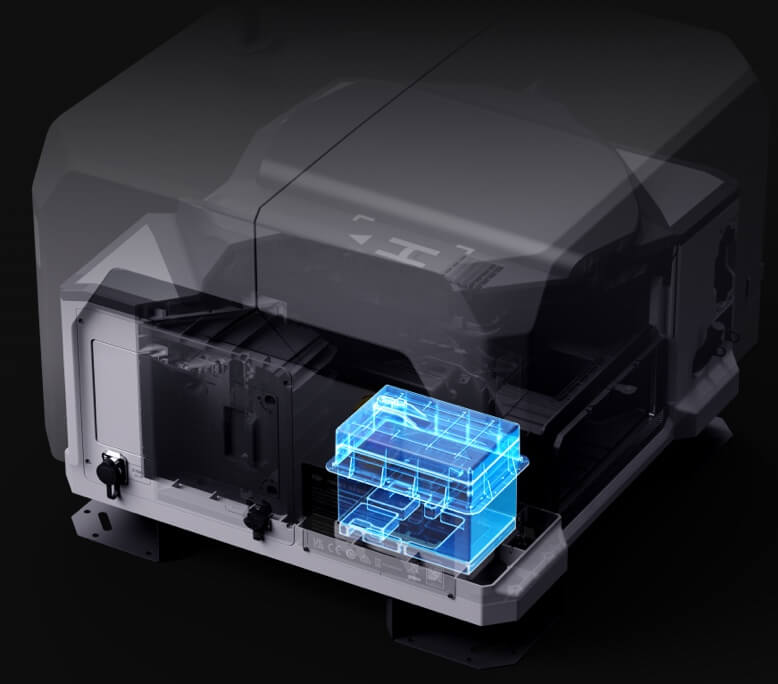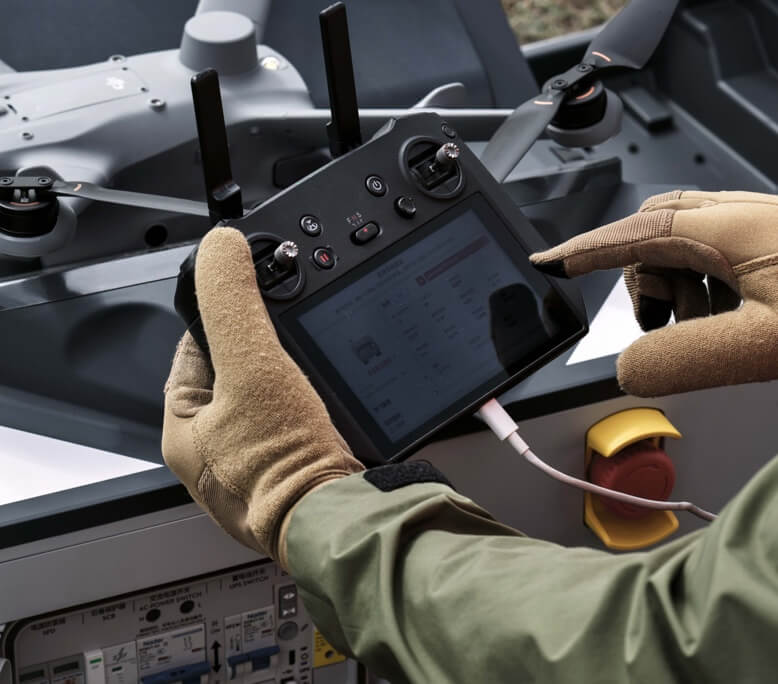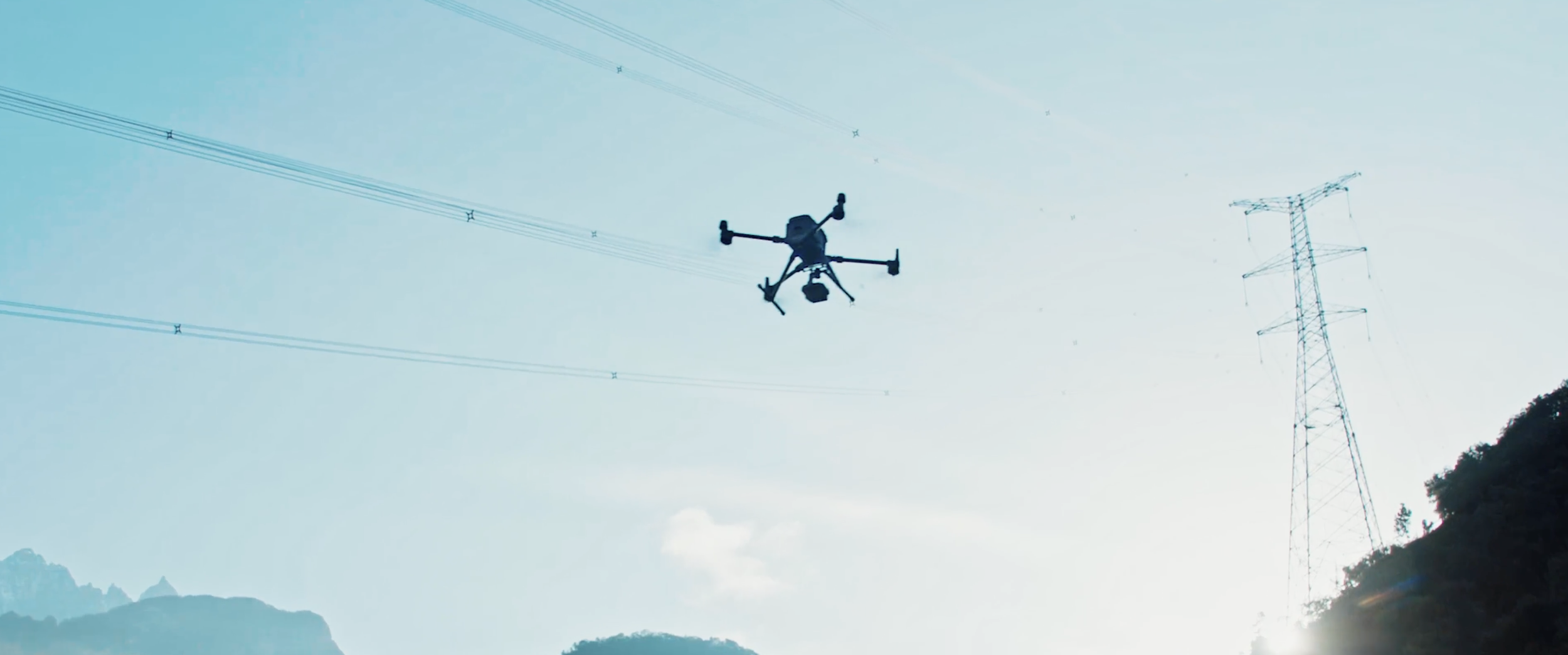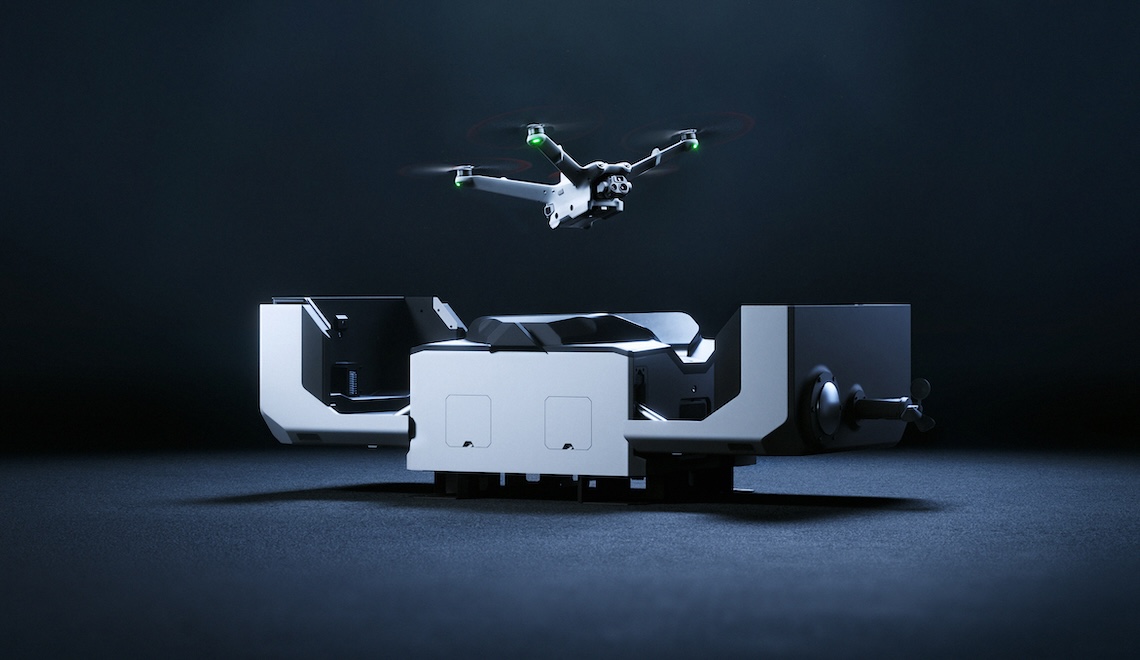
Dock-based drone systems are replacing traditional piloted operations across European construction, energy, and infrastructure projects. The shift is driven by seven measurable advantages that compound over time.
1. Cost Reduction: 60-80% Savings
The most immediate advantage is financial. Dock-based operations eliminate pilot travel time, vehicle costs, scheduling overhead, and weather-related cancellations. Industry data consistently shows 60-80% cost reduction compared to piloted flights at equivalent frequency.
A dock with annual maintenance of approximately €8,000 replaces pilot costs that typically run €50,000-€150,000 annually for daily monitoring. The initial hardware investment (approximately €45,000 per site) is typically recovered within 8-18 months.
Use our ROI Calculator to model your specific scenario.
2. Data Consistency: Identical Flight Paths
Every dock flight follows the exact same path, altitude, speed, and camera angle. This produces datasets that are directly comparable across time — critical for:
- Change detection between weekly surveys
- Volumetric tracking of earthworks and stockpiles
- Structural monitoring where millimetre-level consistency matters
- Compliance documentation requiring reproducible measurements
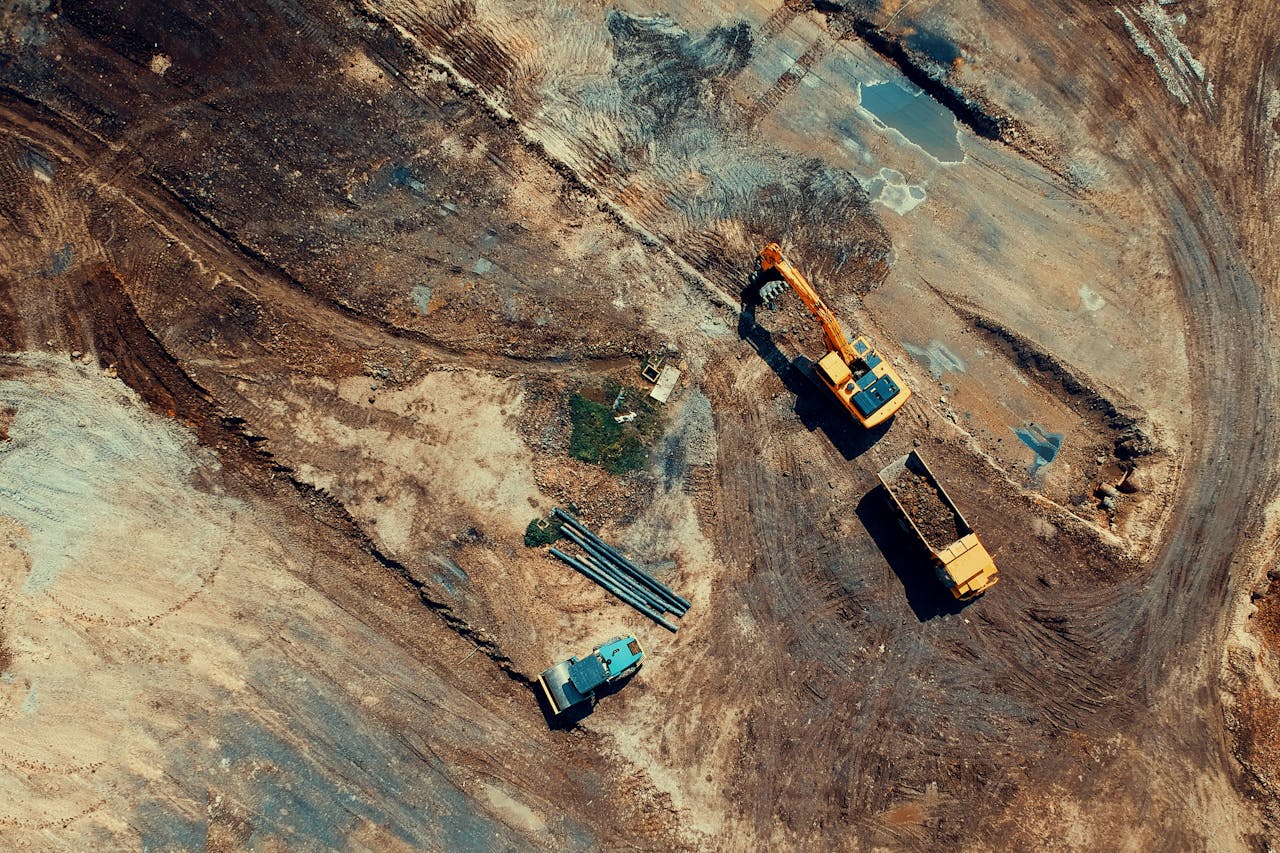
Piloted flights introduce human variability. Even experienced pilots cannot replicate exact flight paths, making long-term comparison datasets unreliable.
3. Weather Resilience
Modern drone docks are built for continuous outdoor deployment in European climates:
- DJI Dock 3: IP56, -30°C to 50°C, 12 m/s maximum allowable landing wind speed — operates through Nordic winters and Mediterranean heat
- DJI Dock 2: IP55, -25°C to 45°C, 8 m/s maximum allowable landing wind speed — suitable for Central/Southern European conditions
Docks also resume operations immediately when weather improves. A piloted operation faces additional delays to reschedule the pilot, who may be booked at another site.
4. Safety: No Human Exposure
Dock-based operations remove humans from hazardous environments:
- Active construction zones with crane operations and heavy machinery
- Chemical plants and refineries with atmospheric hazards
- Offshore platforms and coastal cliffs with fall risks
- Sites with active demolition or excavation
The drone operates autonomously while personnel remain safely off-site, monitoring via cloud platform. This also simplifies site access procedures — no need to coordinate pilot entry permits, safety briefings, or PPE.
5. Response Speed: Minutes, Not Days
A dock can launch a mission within minutes of a trigger event. Compare this to piloted operations where scheduling, travel, and setup create multi-hour or multi-day latency.
This speed advantage is valuable for:
- Incident response — Documenting conditions immediately after a structural alert, security breach, or weather event
- Client requests — Providing same-day aerial imagery to stakeholders
- Operational decisions — Capturing current site conditions before making time-sensitive construction decisions
6. Scalability Without Proportional Cost
Adding monitoring frequency with a dock costs nearly nothing. A dock already on-site can fly 6-10 missions daily — switching from weekly to daily monitoring adds zero hardware cost and minimal additional maintenance.
With piloted operations, doubling flight frequency doubles the cost. This fundamental difference means dock operations scale in a way piloted operations cannot.
7. Flight Frequency Unlocked
Perhaps the most transformative advantage: docks make high-frequency monitoring economically viable for the first time.
Daily or twice-daily flights were previously cost-prohibitive for most operations. At €800 per piloted site visit (€200/hour, 4-hour minimum engagement), daily monitoring costs over €200,000 per year per site. A dock delivers the same frequency for approximately €8,000 per year in operating costs (after setup amortisation).
This frequency enables entirely new workflows: real-time construction timelapse generation, daily volumetric tracking, continuous security monitoring, and data-driven project management that relies on current rather than stale information.
Getting Started
THE FUTURE 3D deploys dock-based drone systems across European markets, offering DJI Dock 2, Dock 3, and our proprietary system (lower deployment cost, EASA-ready). We provide complete deployment including SORA compliance, installation, and ongoing fleet management.
Explore the possibilities: Dock Operations Hub | Deployment Planner | Request a quote
Ready to Start Your Project?
Get a free quote and consultation from our 3D scanning experts.
Get Your Free Quote