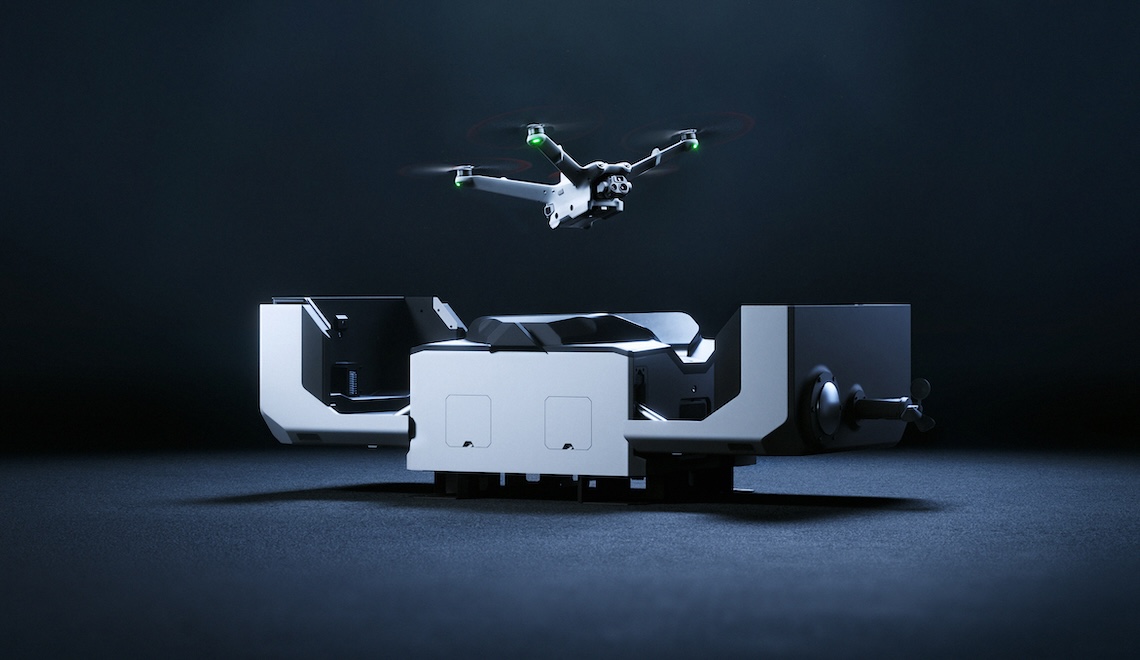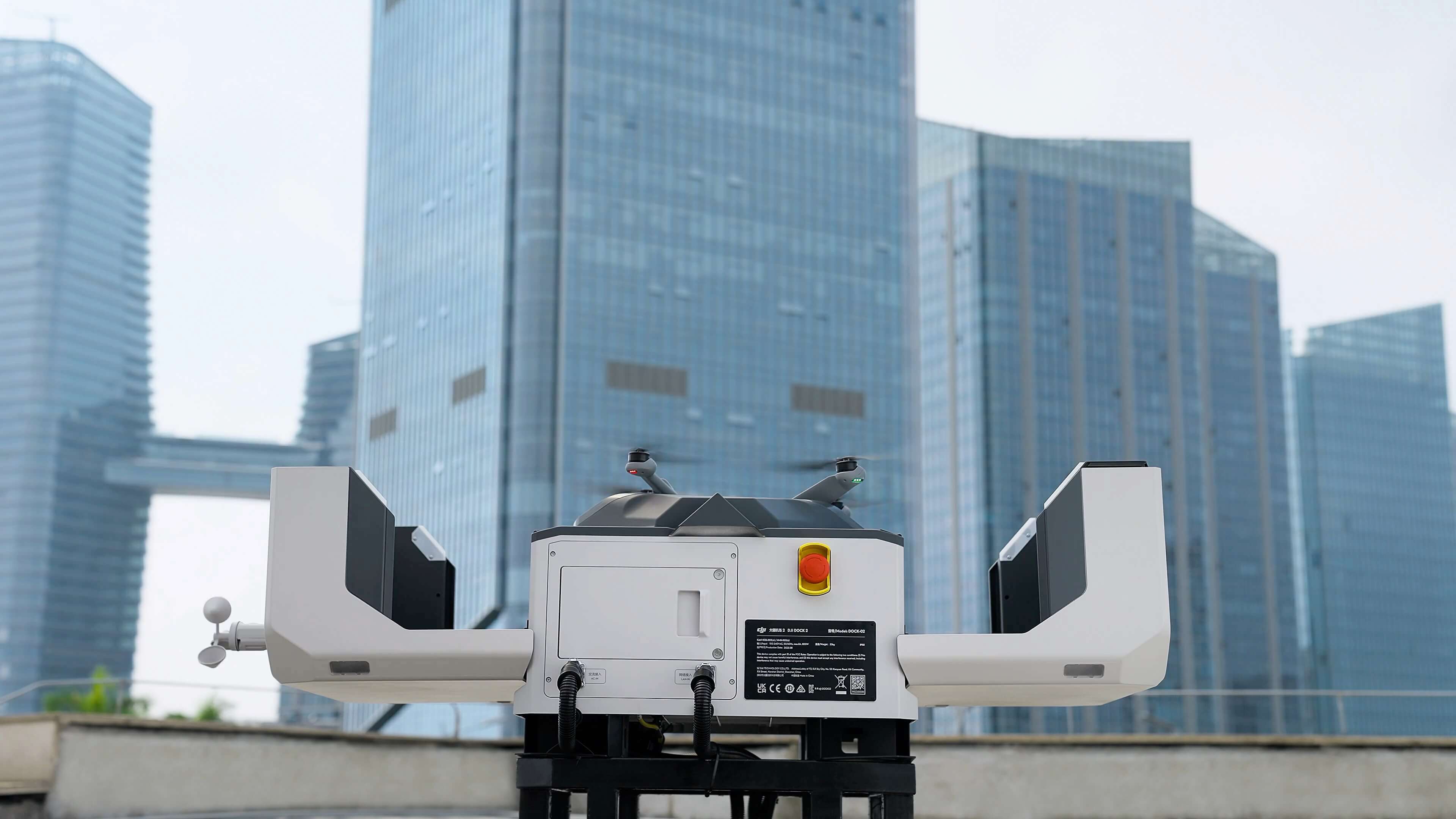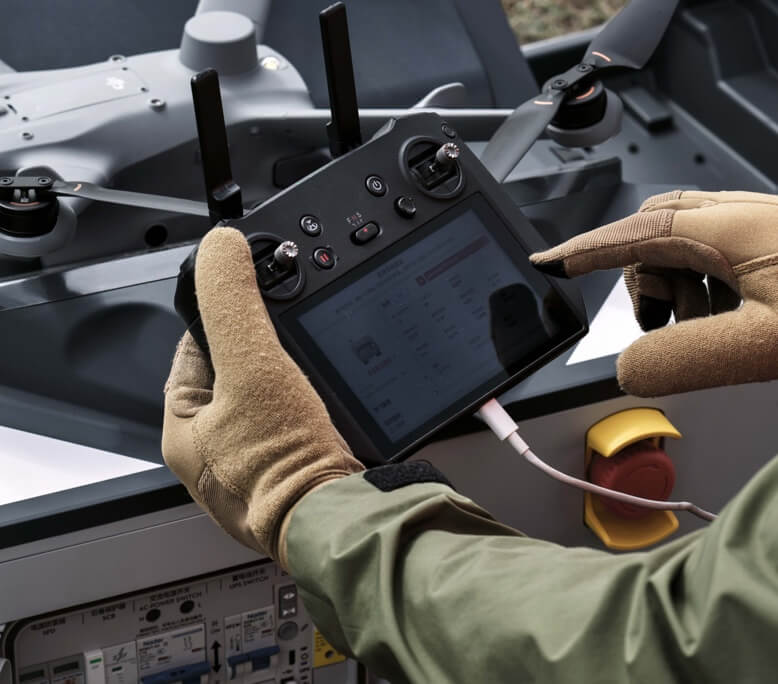
A dock-based drone operation is an autonomous system where a drone launches, flies a pre-programmed mission, and returns to a permanent docking station — all without a pilot present on site. The dock handles battery charging, weather monitoring, data upload, and storage between flights.
This approach transforms drone monitoring from a scheduled service requiring human coordination into an always-available infrastructure asset. The dock sits on your site like a security camera or weather station, executing flights on a schedule or on demand via remote command.
How a Drone Dock Works
The operational cycle of a dock-based system follows a repeatable loop:
-
Mission trigger — The flight is initiated either by a pre-set schedule (e.g., daily at 08:00), a remote operator command via cloud platform, or an external trigger (alarm, weather event, API call).
-
Pre-flight checks — The dock’s internal systems verify battery charge, weather conditions (wind speed, precipitation, temperature), airspace status, and network connectivity. If any parameter exceeds safe thresholds, the flight is automatically postponed.
-
Launch — The dock lid opens, the drone powers up, calibrates sensors, and ascends to its programmed starting altitude. The entire launch sequence takes approximately 60-90 seconds.
-
Mission execution — The drone follows a pre-programmed flight path, capturing data at waypoints. Modern docks support mapping flights, inspection orbits, corridor surveys, and point-of-interest investigations. The drone operates BVLOS (Beyond Visual Line of Sight) — no pilot needs to see it.
-
Return and landing — Upon mission completion (or if a fail-safe triggers), the drone returns to the dock using precision RTK positioning for centimetre-accurate landing on the dock’s landing pad.
-
Post-flight — The dock closes its lid, begins battery charging, uploads captured data to the cloud platform, and generates mission reports. DJI publishes a charging time of 27 minutes for the Dock 3 (powered-off aircraft, 15%→95% at 25°C) and 32 minutes for the Dock 2 (20%→90% at 25°C).
Equipment Components
A complete dock-based system consists of:
The Dock (Ground Station)
The weatherproof housing that stores, charges, and launches the drone. Current leading models include the DJI Dock 3 (IP56, 55 kg, for permanent harsh-weather installations) and DJI Dock 2 (IP55, 34 kg, for portable deployments). THE FUTURE 3D also offers a proprietary dock system at a lower deployment cost.
The Drone
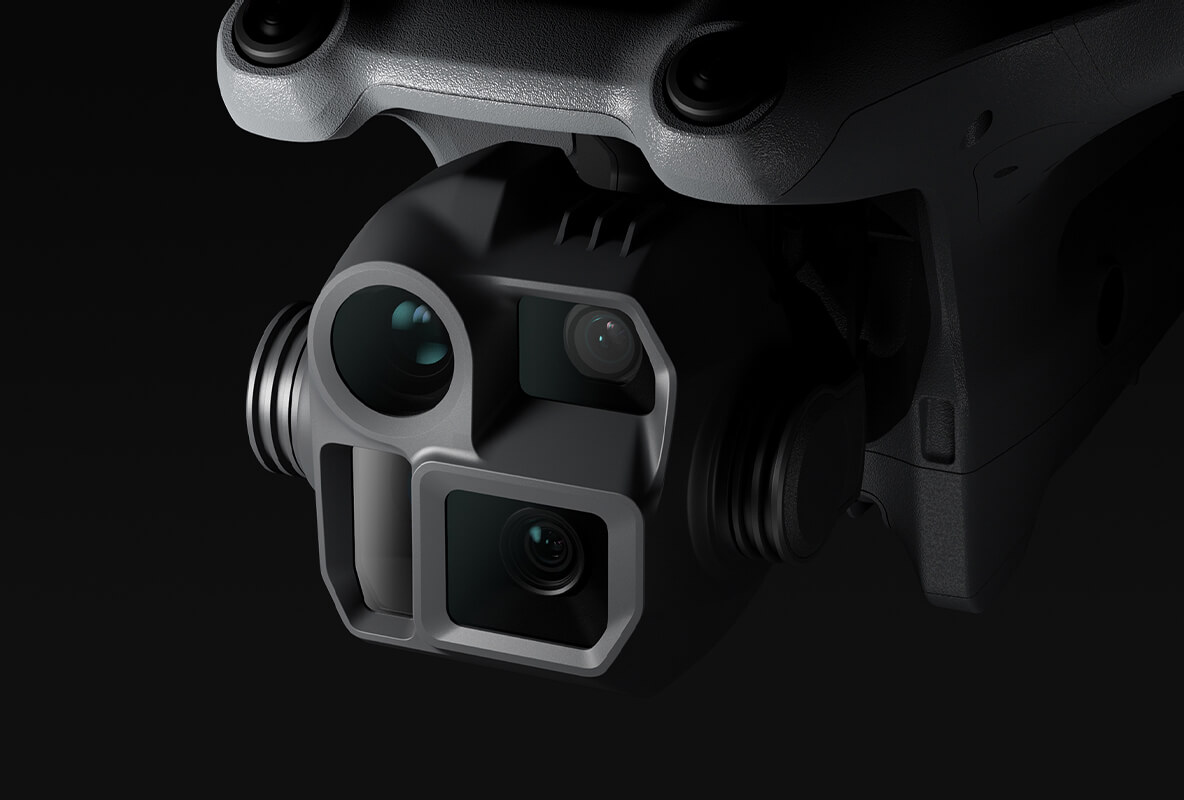
A purpose-built enterprise drone that pairs with the dock. The drone carries the sensors (wide-angle and zoom RGB cameras, and on the TD variants a thermal camera) and executes the programmed flight. DJI Dock 3 pairs with Matrice 4D/4TD; Dock 2 pairs with Matrice 3D/3TD. Neither dock aircraft carries a mapping LiDAR payload — LiDAR work runs on a separate platform.
Cloud Platform
Software for remote fleet management, mission planning, data processing, and reporting. DJI FlightHub 2 is the standard platform for DJI dock systems, providing real-time telemetry, live video, and AI-powered analytics.
Network Connectivity
4G/5G cellular, dedicated fibre, or satellite connection linking the dock to the cloud platform. Minimum 10 Mbps upload recommended for real-time operations.
Industries Using Dock-Based Operations in Europe
Dock-based monitoring is gaining traction across multiple European sectors:
Construction — Daily progress monitoring, volumetric analysis, safety documentation. Projects like HS2 and Grand Paris Express use dock systems for continuous site oversight.
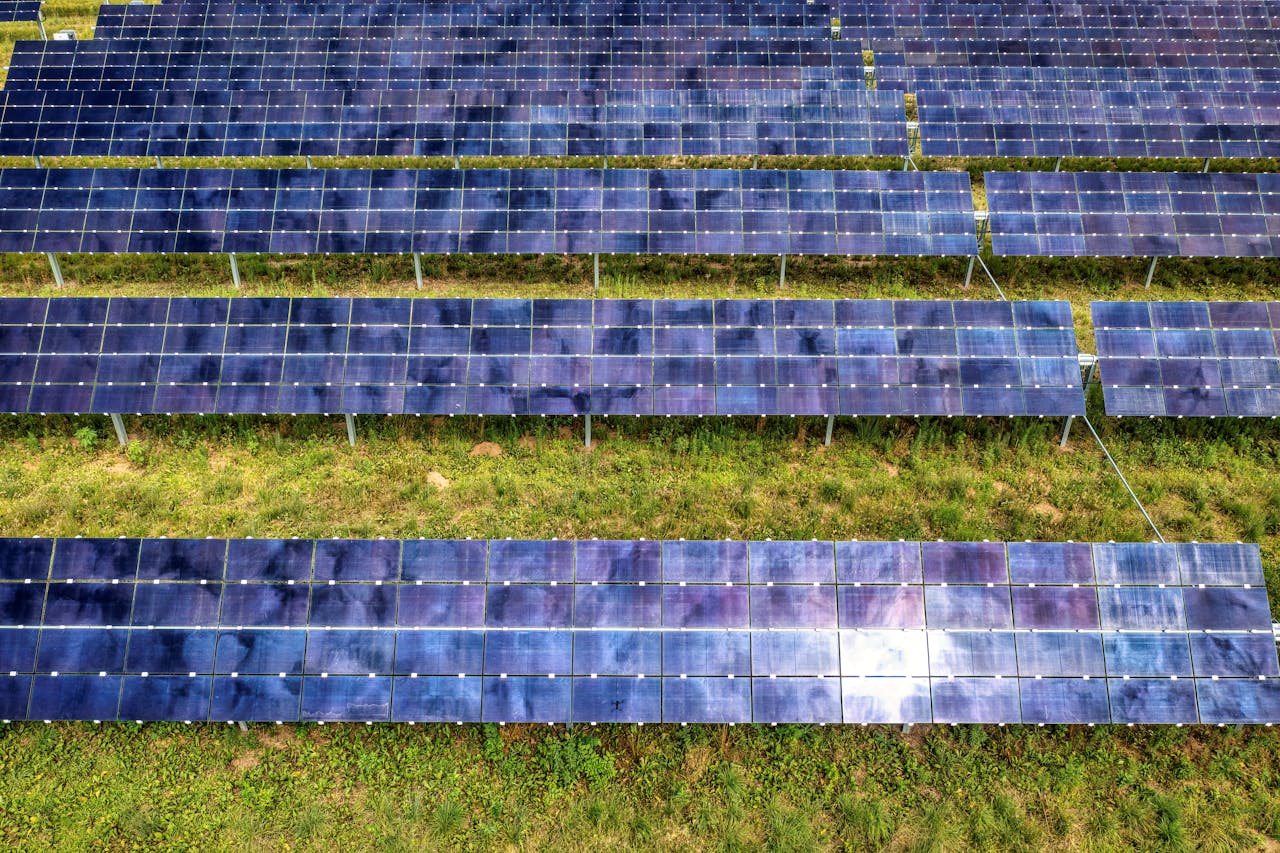
Energy — Solar farm inspection (thermal hotspot detection), wind turbine monitoring, power line corridor surveys, oil and gas facility security.
Infrastructure — Highway and railway corridor inspection, bridge monitoring, port and maritime logistics.
Mining & Quarrying — Stockpile volume measurement, pit wall stability monitoring, environmental compliance documentation.
Agriculture — Crop health monitoring, precision application planning, livestock management across large European farms.
EASA Regulatory Framework
Dock-based operations in Europe require authorisation under the EASA Specific Category because they involve BVLOS flights without a pilot physically present. The operator must complete a SORA (Specific Operations Risk Assessment) and obtain approval from the National Aviation Authority in each country of operation.
The SORA process evaluates ground risk and air risk, and specifies mitigations including geo-fencing, automatic return-to-dock on signal loss, and airspace coordination. Approval timelines range from 3-12 months depending on the country and the complexity of the operation.
The UK has a separate regulatory framework through the CAA since Brexit, using CAP 722 for BVLOS authorization.
Check the regulatory status for your country using our BVLOS Compliance Checker.
Getting Started
THE FUTURE 3D provides end-to-end dock-based drone monitoring services across European markets. We handle equipment procurement, EASA SORA compliance, site installation, flight path programming, and ongoing data management.
Explore dock-based operations: Full service overview | ROI Calculator | Request a quote
Ready to Start Your Project?
Get a free quote and consultation from our 3D scanning experts.
Get Your Free Quote