Gaussian Splatting creates photorealistic, real-time renderable 3D scenes from photographs — a capability that has moved from academic research to commercial service in under three years. If you are evaluating whether to invest in professional GS services, this guide breaks down the actual costs, what drives them, and when DIY alternatives make more sense.
What Is Included in a Professional GS Project?
A professional Gaussian Splatting project from a provider like THE FUTURE 3D typically includes:
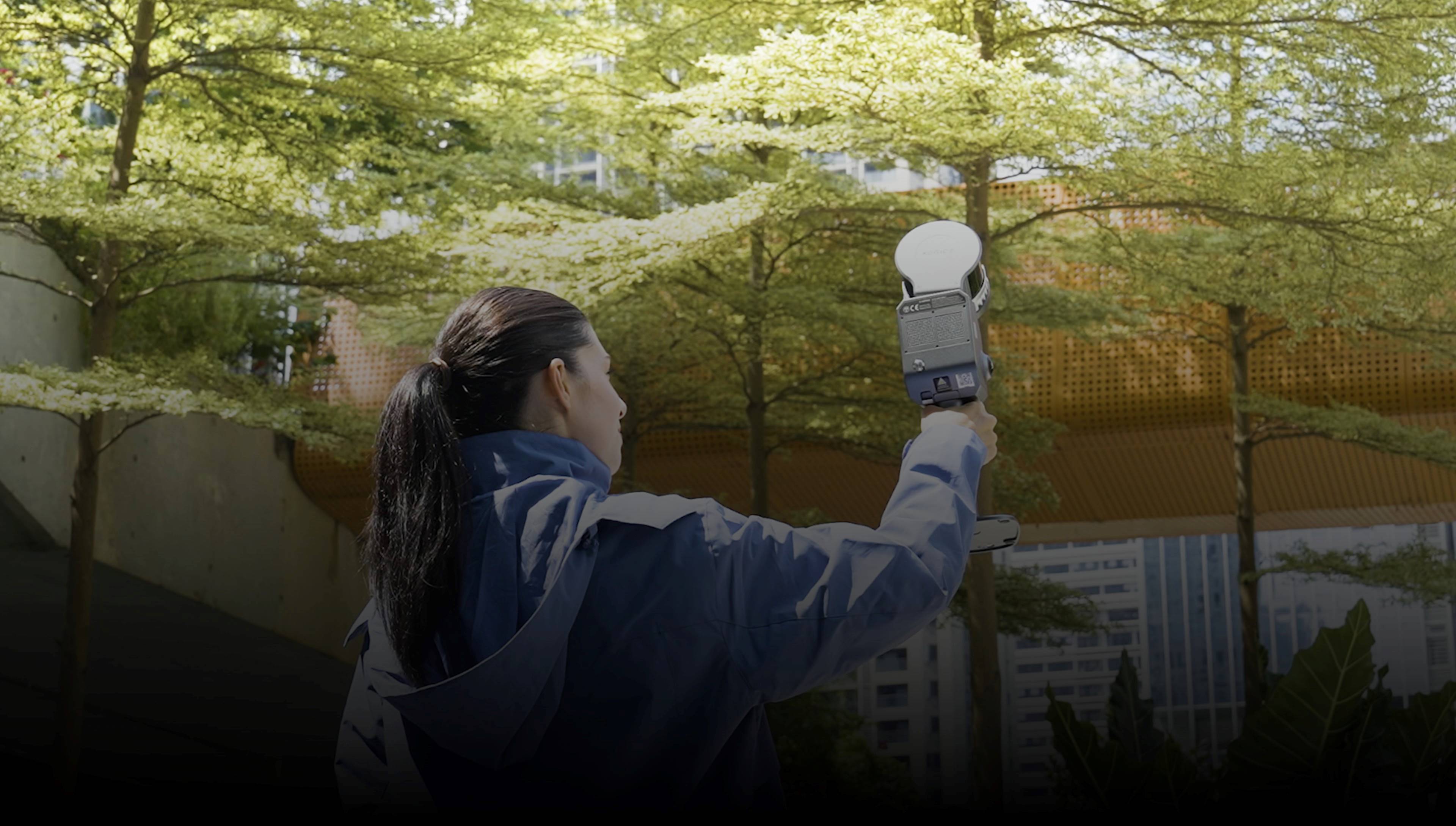
- Site mobilization and capture — Licensed drone operators (FAA Part 107), terrestrial LiDAR setup, and handheld scanner deployment
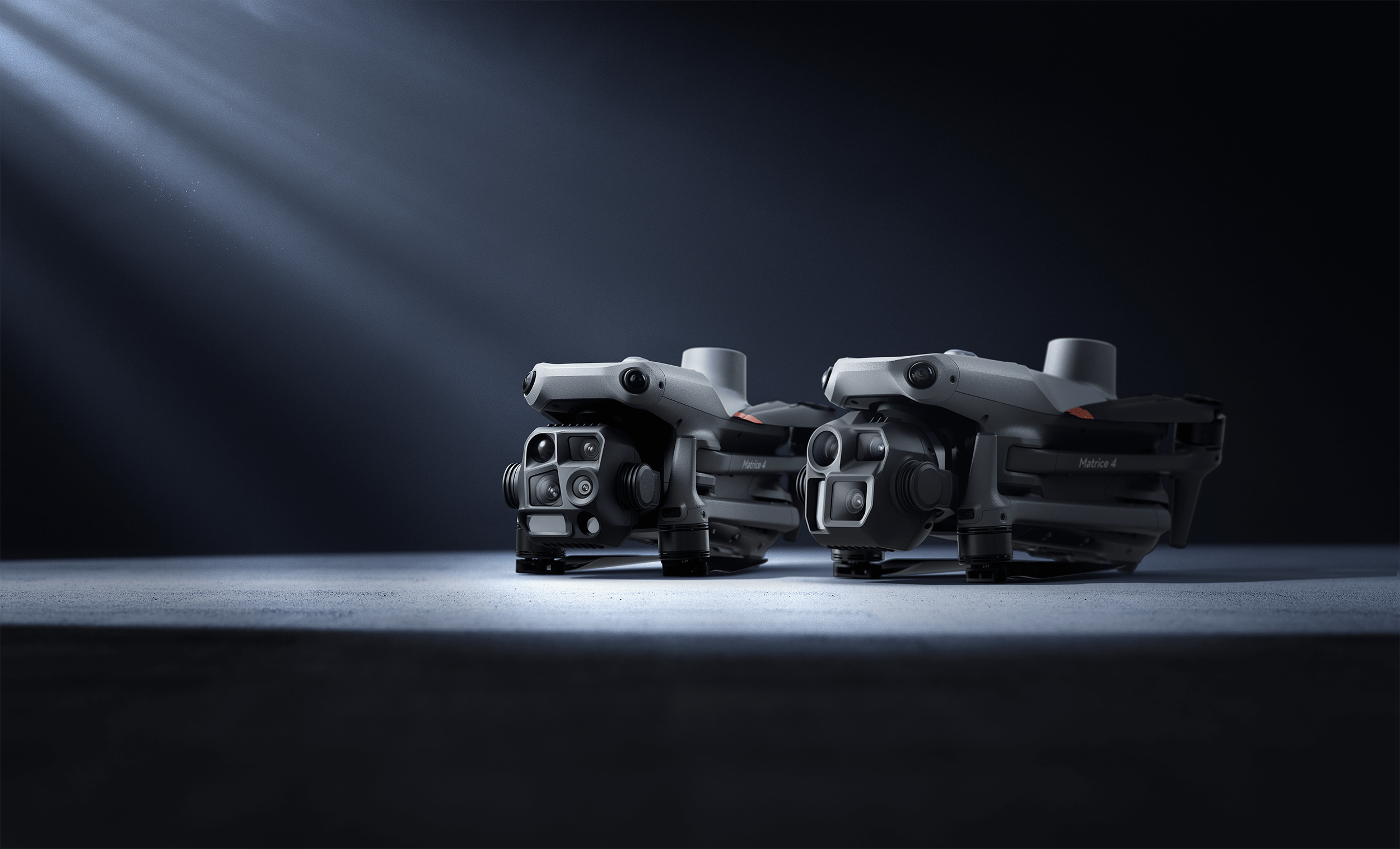
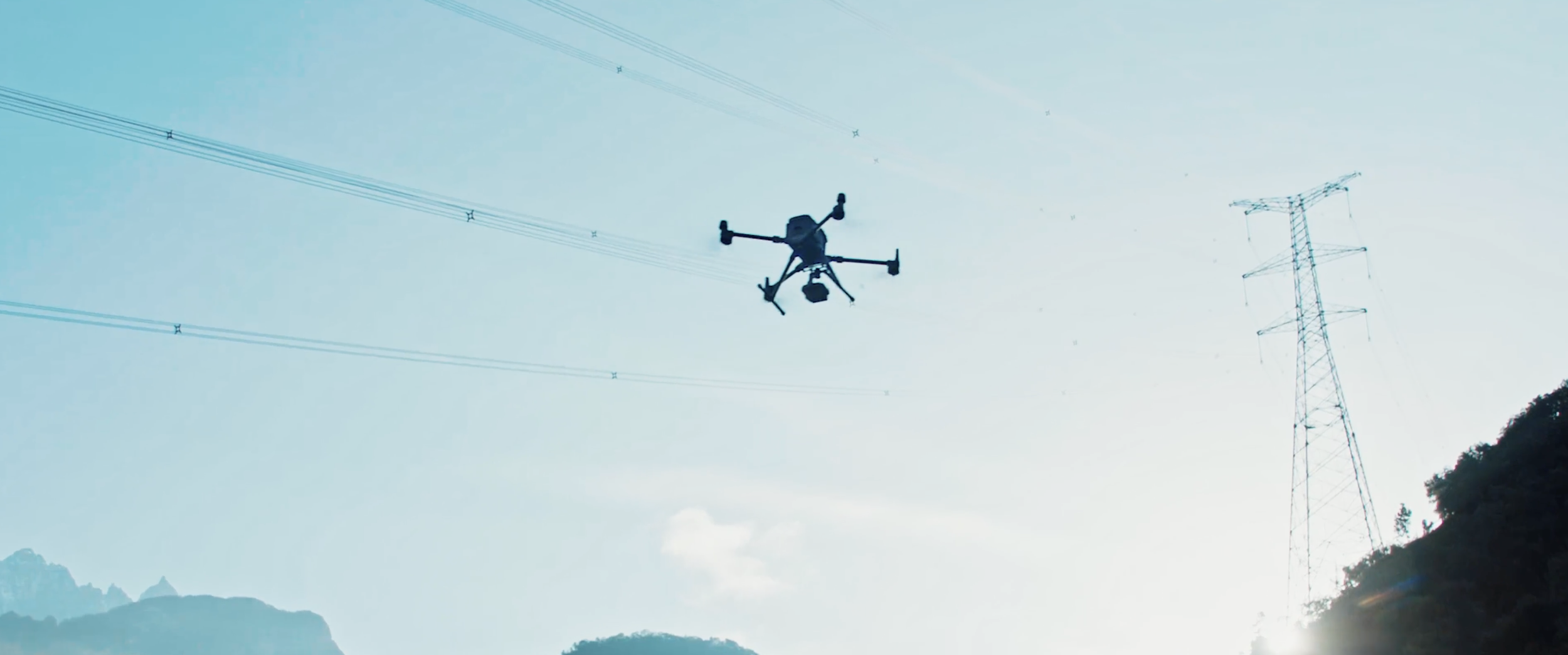
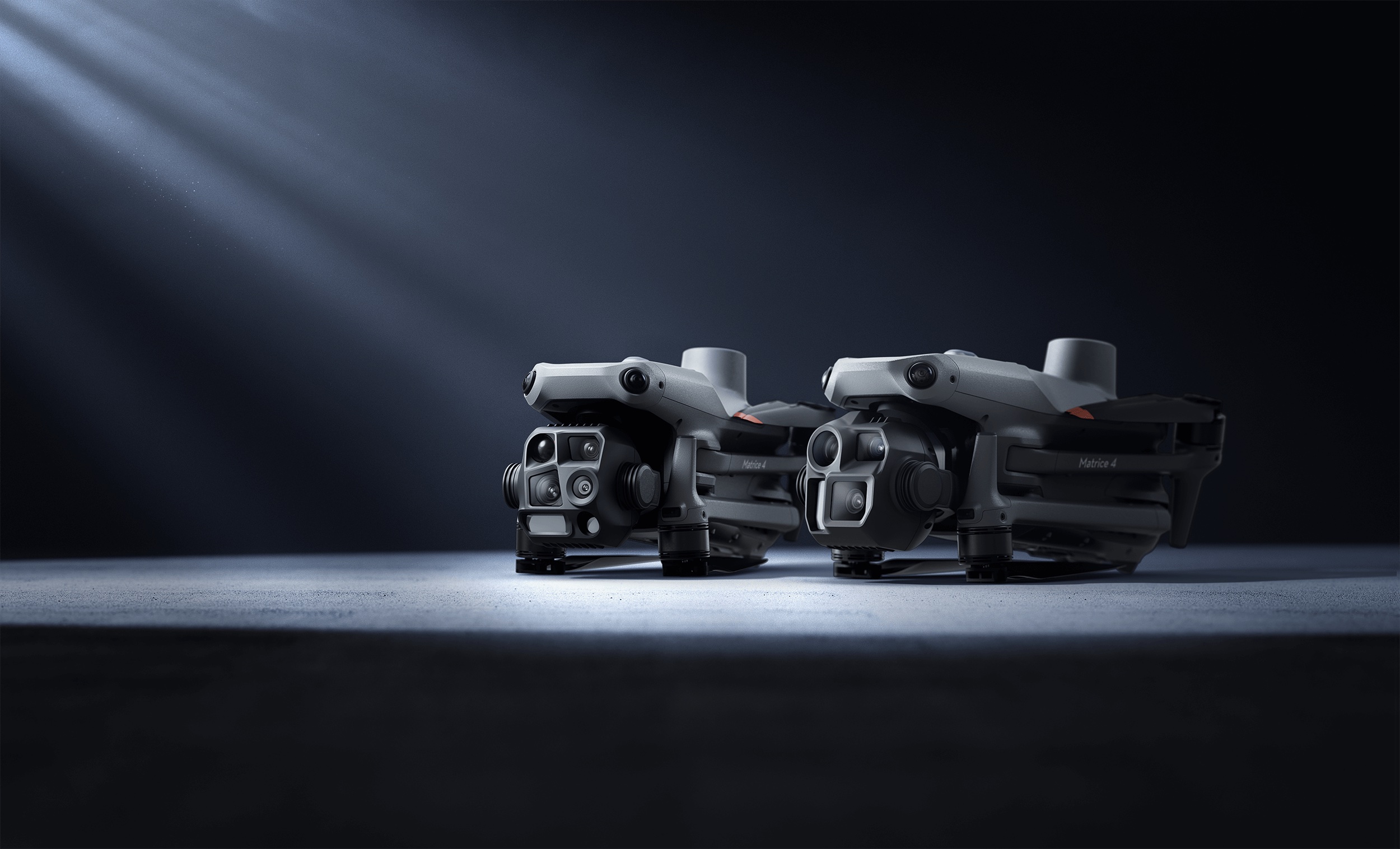
- Multi-sensor data acquisition — Aerial drone imagery (DJI Matrice 400 + Zenmuse P1 at 45MP), terrestrial LiDAR scans (Trimble X12, 3D point accuracy 2.2 mm @ 20 m), and optional ground-level GS walkthrough via handheld scanners
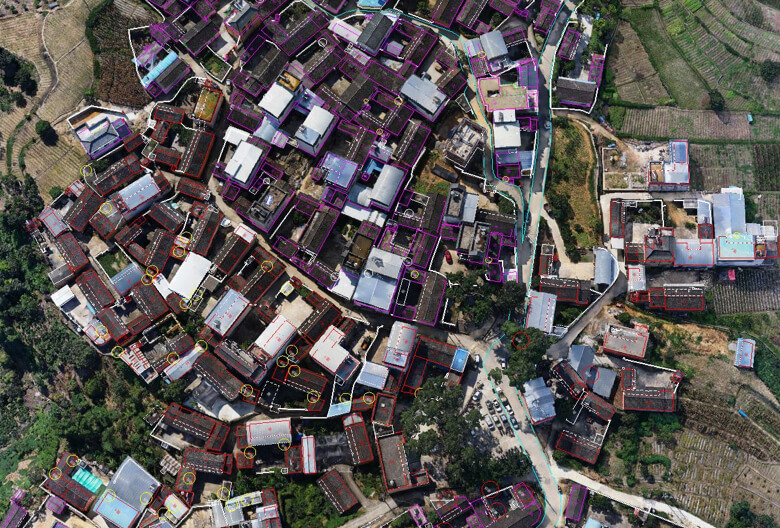
- GS processing — DJI Terra V5.0+ Flagship reconstruction, scene optimization via SuperSplat and SplatForge
- Quality control — Artifact removal, boundary cropping, scene merging, format conversion
- Multi-format delivery — GS PLY files, 3DTiles for web viewing, point clouds (E57, RCP, LAS), OpenUSD and glTF exports
- Technical metadata — Georeferencing, accuracy reports, processing parameters
Professional GS Pricing Tiers
| Project Type | Scope | Price Range |
|---|---|---|
| Small site (single building) | Aerial GS + basic delivery | $2,250–$5,000 |
| Medium site (campus, multi-building) | Multi-sensor capture + full delivery | $5,000–$15,000 |
| Large site (district, complex) | Comprehensive hybrid GS + LiDAR | $10,000–$25,000 |
| Film/VP location scout | Rapid aerial GS preview | $3,000–$10,000 |
| Film/VP full environment | Complete multi-sensor + film-grade delivery | $10,000–$50,000 |
Minimum project: $2,250 (THE FUTURE 3D minimum for any GS engagement)
GS processing premium: 1.5× standard photogrammetry rates. A project that would cost $3,000 as standard drone photogrammetry costs approximately $4,500 with GS processing added.
Why GS Costs 1.5× Photogrammetry
Three factors drive the GS premium:
1. Software Licensing
DJI Terra Flagship license ($2,800–$4,400 permanent) is required for GS reconstruction. Standard Terra ($999–$2,200) handles mesh photogrammetry but not GS. This licensing cost is amortized across projects but represents a significant fixed investment.
2. GPU Compute Time
GS reconstruction requires more GPU processing than standard mesh photogrammetry. Recommended hardware: NVIDIA RTX 4090 (24GB VRAM), 128GB system RAM for large projects. GS is an additional processing pass on top of mesh reconstruction, so it adds to the total processing time rather than replacing it.
3. Post-Processing
Raw GS captures require cleanup — artifact removal, boundary cropping, scene merging (aerial + ground-level), and optimization for web delivery. Tools like SuperSplat (open-source web editor) and SplatForge (Blender add-on) are free, but operating them requires professional expertise and adds hours to the project timeline.
DIY Alternatives: When They Make Sense
Several free and low-cost tools can produce Gaussian Splats without professional services:
Free Options
Polycam (iOS/Android) — Smartphone app that creates GS from photos using device LiDAR. Free tier available. Quality depends on phone camera and LiDAR sensor. Works for indoor rooms and small objects. Not suitable for building-scale or aerial capture.
Luma AI (iOS + cloud) — Free GS processing from casual photos. Upload photos via phone app or web. Consumer-grade quality. Good for quick proof-of-concept before commissioning professional capture.
Nerfstudio (open-source) — Neural Radiance Field toolkit that also supports GS-style rendering. Requires Python environment and GPU workstation. Research-grade tool with steep learning curve.
Consumer Hardware
3DMakerPro Eagle ($3,398–$3,998) — Handheld spatial scanner with 48MP camera and 200K LiDAR pts/sec. RayStudio software outputs standard PLY and OBJ. Suitable for room-scale captures. Not designed for building exteriors or aerial environments.
When DIY Works
- Interior room documentation (Polycam or Luma AI)
- Quick visual references for internal review
- Proof-of-concept before professional engagement
- Academic or research applications
- Budget under $2,000 per project
When Professional Is Necessary
- Building exteriors or multi-building sites (requires drone)
- Survey-grade dimensional data alongside GS (requires LiDAR)
- Film/VP production environments (requires multi-sensor hybrid)
- Web-ready delivery with 3DTiles streaming
- Quality control, artifact removal, and format optimization
- FAA-compliant commercial drone operations
What Affects Project Cost
Site Size and Complexity
A single commercial building on an open site costs less than a dense urban block with complex facades, overhangs, and narrow alleys. More images needed = more processing time = higher cost.
Deliverable Requirements
Basic GS-only delivery (PLY + 3DTiles) costs less than full hybrid delivery (GS + LiDAR point clouds + meshes + OpenUSD + glTF). Film-grade deliverables with HDRI lighting reference and Unreal Engine optimization add to the scope.
Interior Coverage
Exterior-only aerial GS capture is faster and cheaper than projects requiring interior coverage. Interior scanning adds Xgrids L2 Pro handheld walkthrough or Trimble X12 terrestrial LiDAR setup time.
Rush Processing
Standard turnaround is 1-2 weeks from scan to delivery. Rush processing (3-5 business days) is available for time-sensitive projects at a premium.
Recurring Capture
Construction progress documentation, seasonal property marketing, or ongoing facility management may benefit from recurring capture programs with per-visit pricing.
Accuracy Trade-offs
| Method | Geometric Accuracy | Visual Quality | Real-Time Rendering |
|---|---|---|---|
| Gaussian Splatting | 7.82cm mean error | Photorealistic | Yes (100+ FPS) |
| Mesh Photogrammetry | 1–3cm (with GCPs) | Good (textured mesh) | With LOD |
| LiDAR (Trimble X12) | 2.2mm @ 20m (3D point accuracy) | Point cloud only | No |
| Hybrid (GS + LiDAR) | ±2mm + photorealistic | Both | GS layer only |
The hybrid approach — GS for visual quality, LiDAR for dimensional precision — is THE FUTURE 3D’s standard delivery for projects requiring both capabilities. The GS processing is the premium add-on; the LiDAR scan is part of the base mobilization.
Return on Investment
Professional GS services pay for themselves when the alternative is more expensive:
- Architecture: A $5,000 GS building scan replaces $15,000–$50,000 in manual 3D rendering for client presentations
- Real estate: A $3,000 property GS tour generates buyer engagement that photography cannot match for luxury listings
- Construction: A $4,000 GS progress capture provides stakeholder communication that reduces review meetings and change orders
- Film/VP: A $25,000 GS environment scan replaces $500,000+ in practical set construction
Try Our Cost Guide
For a quick project ballpark, use our GS Cost Guide tool — input your project type, area, and requirements for an instant price range.
For a detailed custom quote, contact THE FUTURE 3D with your project scope and timeline.
THE FUTURE 3D provides professional Gaussian Splatting services for buildings and environments across the United States. GS projects from $2,250. Explore our GS services or get a quote.
Ready to Start Your Project?
Get a free quote and consultation from our 3D scanning experts.
Get Your Free Quote