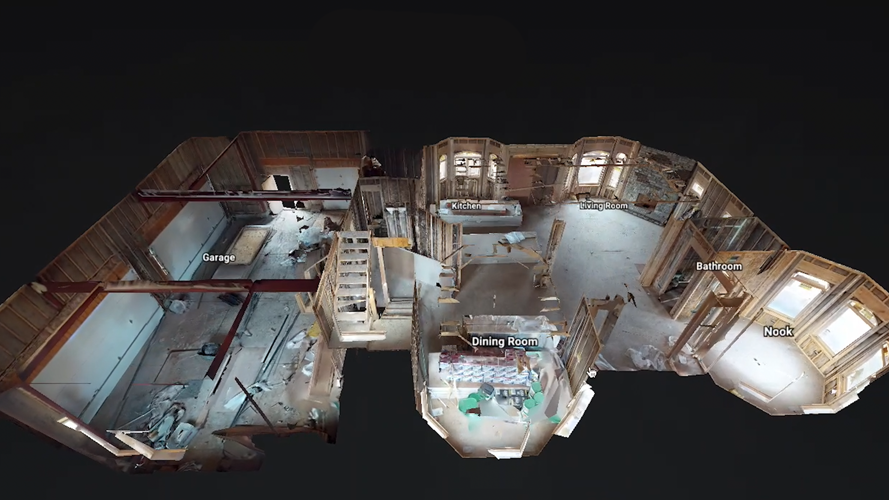
Gaussian Splatting (3DGS) burst onto the 3D visualization scene in 2023 and has rapidly evolved into one of the most promising technologies for photorealistic 3D rendering. Meanwhile, Matterport remains the established platform for interactive 3D virtual tours with millions of spaces captured worldwide.
These two technologies approach 3D visualization from fundamentally different directions. Understanding their respective strengths helps you make informed decisions about which technology fits your needs.
What Is Gaussian Splatting?

Gaussian Splatting (formally “3D Gaussian Splatting for Real-Time Radiance Field Rendering”) is a technique for creating photorealistic 3D scenes from photographs. It works by:
- Capturing photos from multiple angles around a space or object (typically 50-200+ photos)
- Reconstructing 3D structure using Structure from Motion (SfM) — the same foundation as photogrammetry
- Representing the scene as Gaussians — millions of semi-transparent 3D ellipsoids, each with position, size, orientation, color, and opacity
- Rendering in real-time — the GPU splats (projects) these Gaussians onto the screen to produce photorealistic images from any viewpoint
The result is a 3D representation that can be viewed from virtually any angle with photorealistic quality — often indistinguishable from actual photographs.
Key Technical Characteristics
- Input: Photographs from multiple angles (phone, DSLR, drone)
- Processing: GPU-intensive training (minutes to hours depending on scene complexity and hardware)
- Output: A set of 3D Gaussians that can be rendered in real-time
- Quality: Photorealistic at trained viewpoints, can degrade at extreme novel views
- File size: Varies widely (10MB to several GB depending on scene complexity)
What Is Matterport?
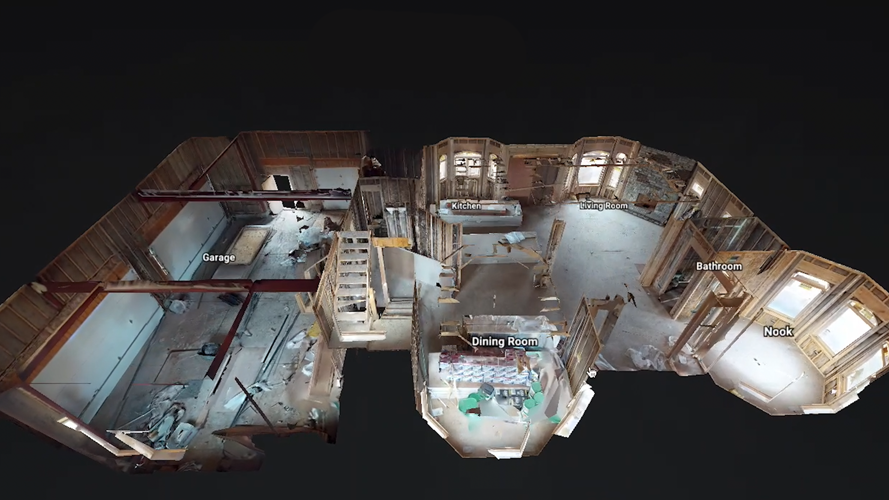
Matterport captures 3D spaces using dedicated cameras (Pro3, Pro2) or smartphones, processes the data in the cloud, and serves interactive 3D tours via their web-based viewer. The technology stack:
- Captures 360-degree HDR images and LiDAR/IR depth data from discrete scan positions
- Processes imagery and depth into a textured 3D mesh model
- Hosts the interactive tour on Matterport Cloud
- Delivers via web browser with dollhouse, floor plan, and walkthrough views
Key Technical Characteristics
- Input: Scan positions captured with Matterport camera
- Processing: Cloud-based (2-8 hours)
- Output: Interactive 3D tour with mesh model, dollhouse, and floor plans
- Quality: Excellent for virtual tour navigation, structured and consistent
- File size: Managed by Matterport Cloud (streaming, not downloaded)
Head-to-Head Comparison
| Feature | Gaussian Splatting | Matterport |
|---|---|---|
| Visual Realism | Photorealistic (stunning) | High quality (3D mesh) |
| Capture Equipment | Any camera (phone/DSLR/drone) | Matterport camera or phone |
| Capture Complexity | Many photos, many angles | Structured scan positions |
| Processing | Local GPU (minutes-hours) | Cloud (2-8 hours) |
| Hosting | Self-hosted or third party | Matterport Cloud (subscription) |
| Navigation | Free-fly camera | Structured walkthrough |
| Dollhouse View | Not native (some tools emerging) | Yes (iconic feature) |
| Floor Plans | No | Yes (auto-generated) |
| Measurements | Not natively | Yes (Professional+ plans) |
| MLS Integration | No | Yes (extensive) |
| Commercial Maturity | Emerging | Established (10M+ spaces) |
| Real-Time Rendering | Yes (30-60 FPS on modern GPU) | Yes (web-based streaming) |
| Mobile Support | Limited (improving) | Full (responsive web) |
| Cost | Open source tools + hosting | Subscription + hosting |
Where Gaussian Splatting Excels
Photorealistic Quality
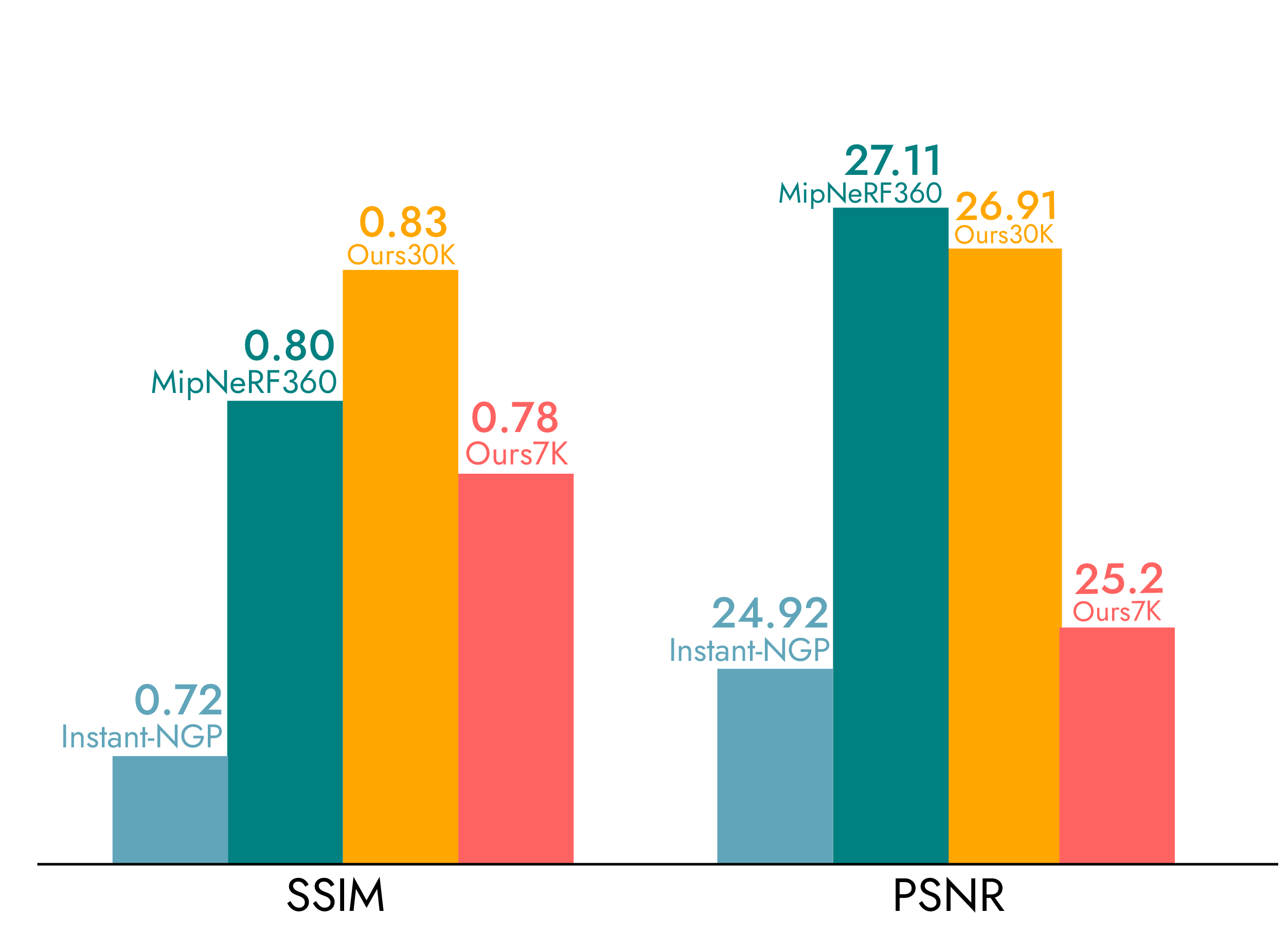
The visual quality of well-produced Gaussian Splatting scenes can exceed Matterport’s mesh-based rendering. Specular reflections, fine textures, vegetation, and complex materials are rendered with photographic accuracy because the representation is based directly on observed light, not reconstructed geometry.
This makes Gaussian Splatting compelling for:
- Architectural visualization
- Product showcases
- Cultural heritage documentation
- Film and entertainment pre-visualization
- Marketing materials requiring photorealistic 3D
No Proprietary Hardware Required
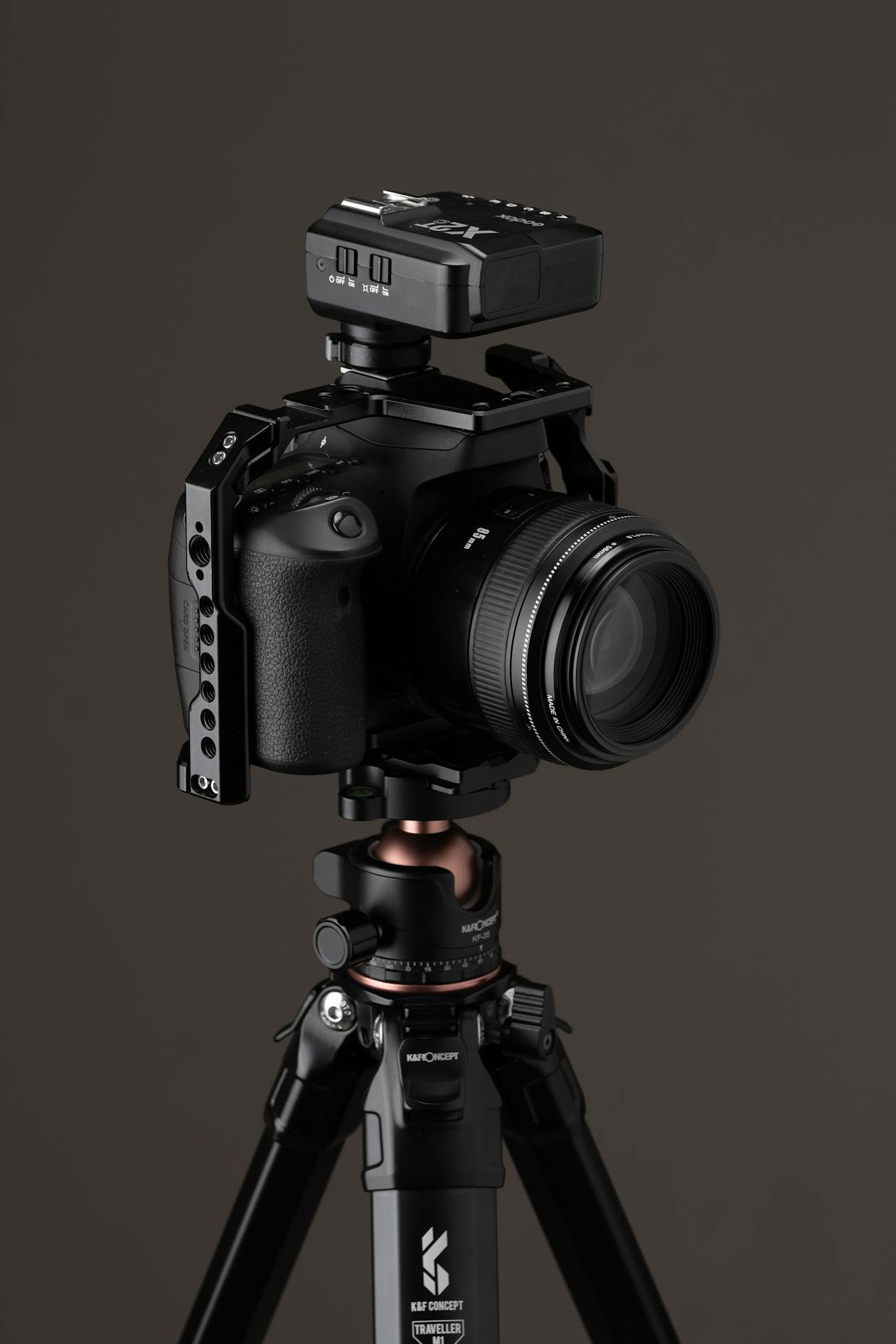
Gaussian Splatting works from standard photographs. You can capture input data with:
- A smartphone
- A DSLR camera
- A drone
- A video camera (frame extraction)
No specialized 3D camera is required, which lowers the barrier to entry and makes the technology accessible for capture scenarios where specialized equipment is impractical.
Open Source and Self-Hosted
The core Gaussian Splatting algorithms are open source. Multiple implementations exist (the original paper’s code, Nerfstudio, various commercial tools). You can process, host, and deliver Gaussian Splatting scenes without any subscription dependency — a significant advantage for organizations concerned about platform lock-in.
Outdoor and Natural Scenes
Gaussian Splatting handles outdoor environments, vegetation, and natural materials better than Matterport because it does not need to reconstruct a clean geometric mesh. Trees, grass, water, and irregular surfaces render naturally.
Where Matterport Excels
Structured Navigation and Features
Matterport provides a purpose-built navigation experience designed for virtual tours:
- Dollhouse view — the bird’s-eye 3D model view that no Gaussian Splatting viewer replicates
- Floor plan navigation — click on rooms in a floor plan to jump there
- Guided tours — automated walkthrough paths
- Mattertags — interactive information hotspots
- Measurements — point-to-point measurement tools
These features make Matterport a complete virtual tour product, not just a 3D rendering technology.
Commercial Ecosystem
Matterport has the ecosystem infrastructure that Gaussian Splatting lacks:
- MLS integration for real estate listings
- CRM integrations for property management
- Analytics and engagement tracking
- Enterprise management for large portfolios
- Professional support and SLAs
Consistency and Reliability
Matterport’s structured capture-and-process workflow produces consistent results. Every tour has the same navigation paradigm, the same quality standard, and the same feature set. Gaussian Splatting quality varies significantly based on capture quality, training parameters, and scene complexity.
Mobile and Browser Support
Matterport tours work in any web browser on any device without plugins or special software. Gaussian Splatting viewers are still maturing in terms of browser support and mobile performance, though this is improving rapidly.
The Convergence
These technologies are likely to converge over time rather than replace each other:
Near-Term (2026-2027)
- Gaussian Splatting will continue improving in viewer maturity, mobile support, and commercial tooling
- Matterport may integrate Gaussian Splatting or NeRF-based rendering into its platform for improved visual quality
- Third-party tools will bridge the gap, offering Gaussian Splatting capture with Matterport-like navigation features
Medium-Term (2028+)
- The distinction between “Gaussian Splatting” and “traditional 3D capture” may blur as hybrid approaches emerge
- Real-time rendering quality will continue to improve on standard hardware
- Commercial platforms will likely offer Gaussian Splatting as a rendering option alongside mesh-based visualization
Practical Recommendations
Use Matterport When:
- You need a complete virtual tour product with navigation, floor plans, and integrations
- Your audience is non-technical (real estate buyers, hotel guests, tenants)
- You need consistent, predictable results across many projects
- MLS integration is required
- You want managed hosting and support
Use Gaussian Splatting When:
- Photorealistic quality is the top priority
- You have technical capability to manage capture, processing, and hosting
- The application is visualization (not structured virtual touring)
- You are documenting outdoor or natural environments
- You want to avoid platform subscription dependency
- You are in research, entertainment, or architectural visualization
Use Both When:
- You want to future-proof your 3D documentation strategy
- You capture professional photo/video alongside Matterport scans (the photos can feed Gaussian Splatting processing later)
- You serve clients in both real estate (Matterport) and visualization (Gaussian Splatting) markets
Key Takeaways
-
Gaussian Splatting produces stunning photorealistic 3D but is an emerging technology still developing commercial tooling, mobile support, and standardized workflows.
-
Matterport is a mature commercial product with a complete virtual tour ecosystem — navigation, floor plans, integrations, hosting, and support.
-
They solve different problems. Matterport is for structured virtual tours. Gaussian Splatting is for photorealistic 3D visualization.
-
Gaussian Splatting is more flexible — any camera can be input, processing is open source, and hosting is self-managed.
-
Matterport is more practical for business applications that need consistency, support, and real estate integrations.
-
Convergence is likely. Future virtual tour platforms will probably incorporate Gaussian Splatting or similar rendering for improved visual quality within structured tour experiences.
-
Capture with both in mind. When documenting a space, capturing thorough photos alongside Matterport scans gives you the option to create Gaussian Splatting renders later.
Want to discuss the best 3D visualization technology for your project? Contact THE FUTURE 3D for a consultation on Matterport virtual tours, professional laser scanning, or emerging visualization technologies.
Ready to Start Your Project?
Get a free quote and consultation from our 3D scanning experts.
Get Your Free Quote