Getting BVLOS authorization for dock-based drone operations in Europe requires navigating EASA’s Specific Operations Risk Assessment (SORA) methodology. The process is structured, repeatable, and well-documented, but it demands thorough preparation. Operators who understand the steps, submit complete documentation, and anticipate NAA questions consistently achieve faster approvals.
This guide walks through the SORA process specifically for dock-based operations, covering each phase from initial scoping through final authorization, with practical guidance on timelines and common pitfalls across European markets.
What SORA Is and Why It Applies to Dock Operations
SORA is the risk assessment methodology mandated under EASA’s Specific Category for any drone operation that falls outside the Open Category limits. Every BVLOS operation, including dock-based autonomous flights, requires a SORA-based authorization from the relevant National Aviation Authority (NAA).
The methodology was developed by JARUS (Joint Authorities for Rulemaking on Unmanned Systems) and adopted by EASA as the standard framework across all EU member states plus Norway, Iceland, and Liechtenstein through the EEA agreement.
For dock-based operations, SORA approval covers:
- The autonomous launch, flight, and landing cycle
- The specific geographic area of operation
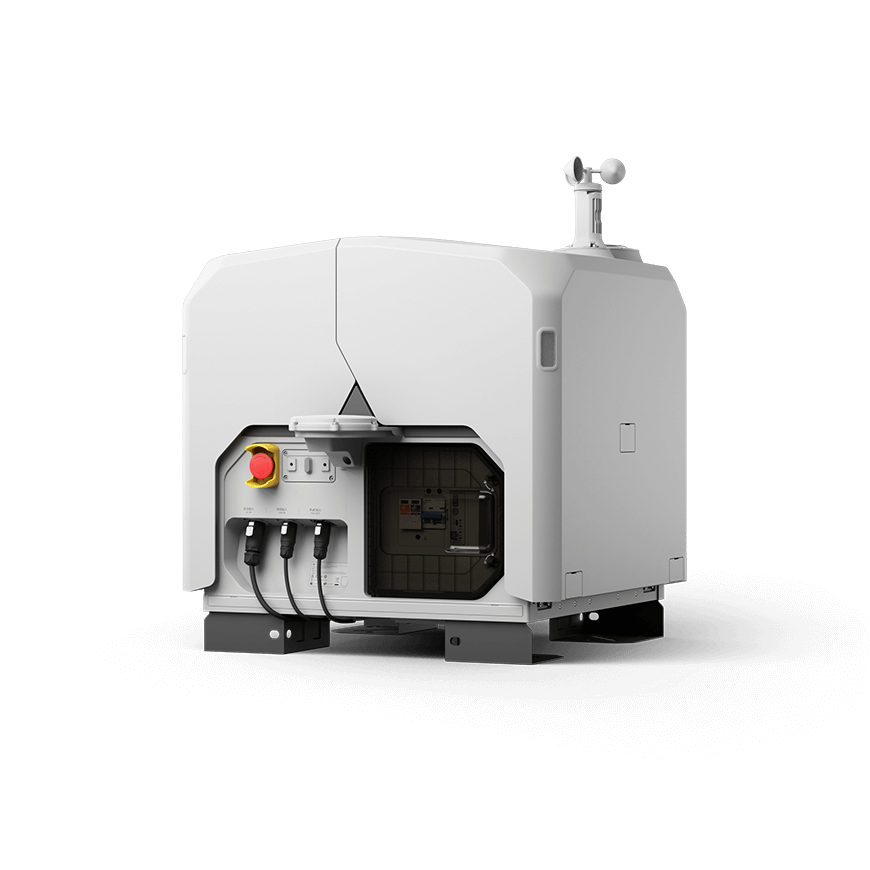
- The drone and dock hardware combination
- The operating procedures including emergency protocols
- The qualifications of personnel (even though operations are autonomous, a remote pilot must be designated)
Step 1: Define Your Concept of Operations (ConOps)
The ConOps document is the foundation of every SORA application. For dock operations, it must describe the complete operational concept in enough detail that an NAA reviewer can understand exactly what happens, where, when, and how.
A dock-based ConOps typically includes:
Operational Description
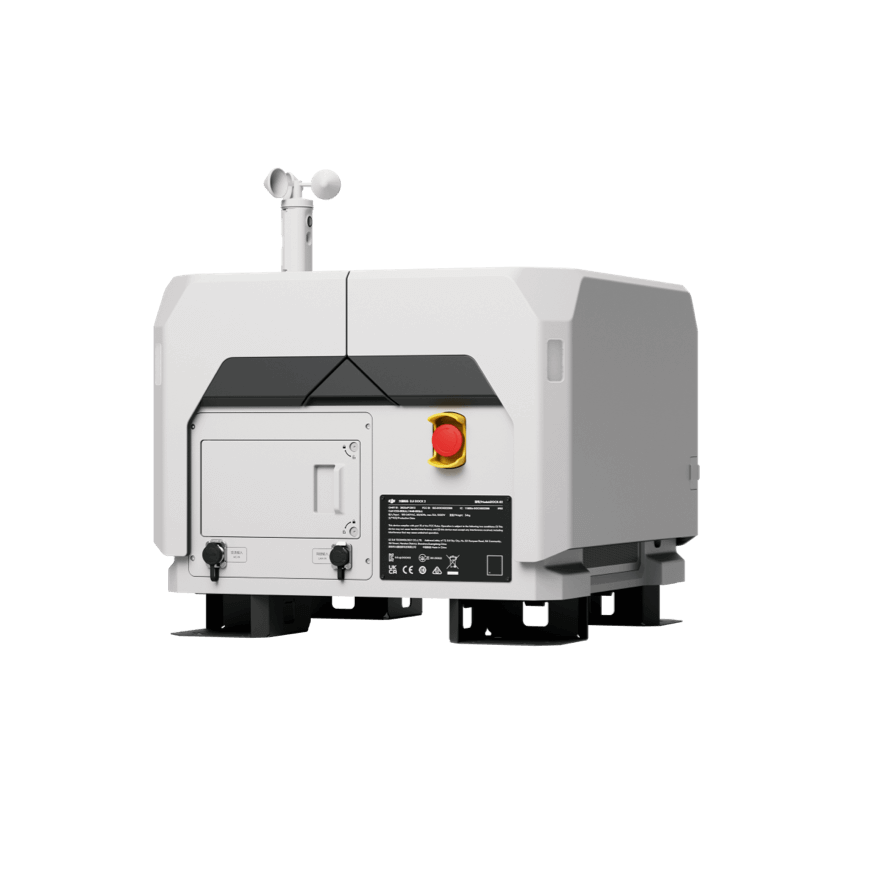
- Type of dock (DJI Dock 2, Dock 3, or proprietary system)
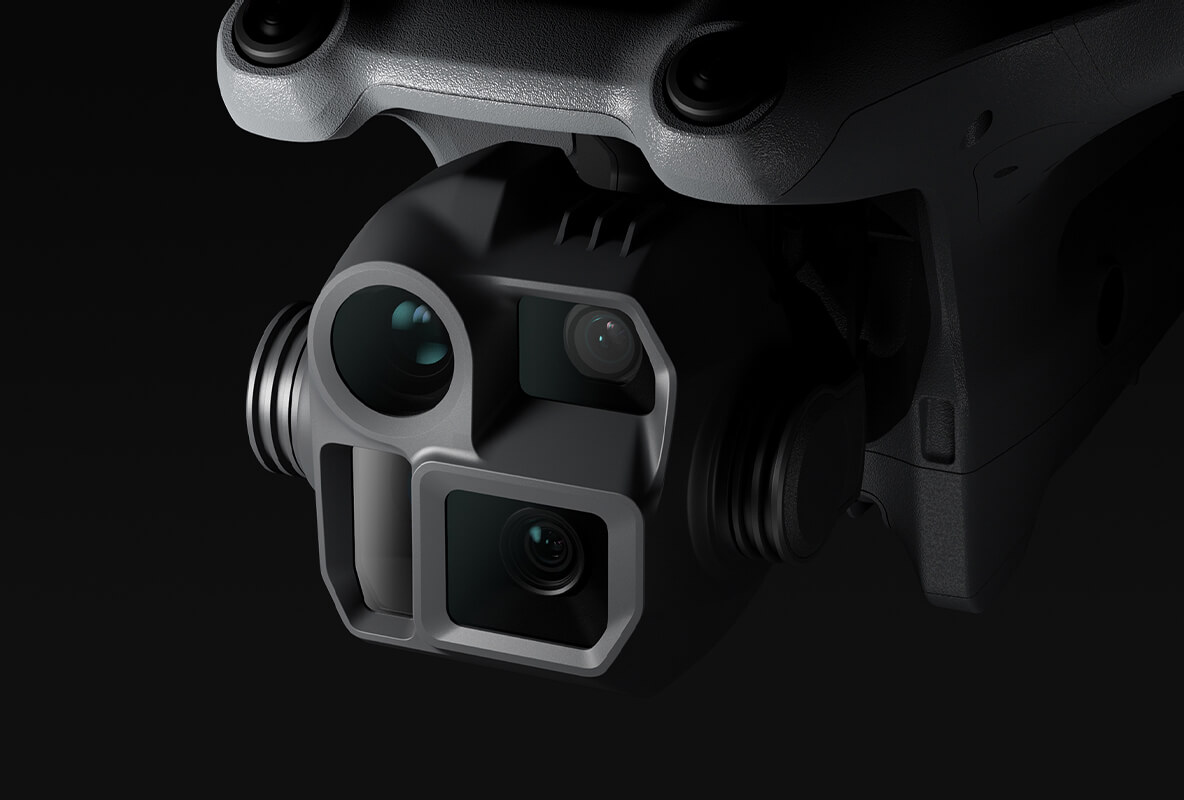
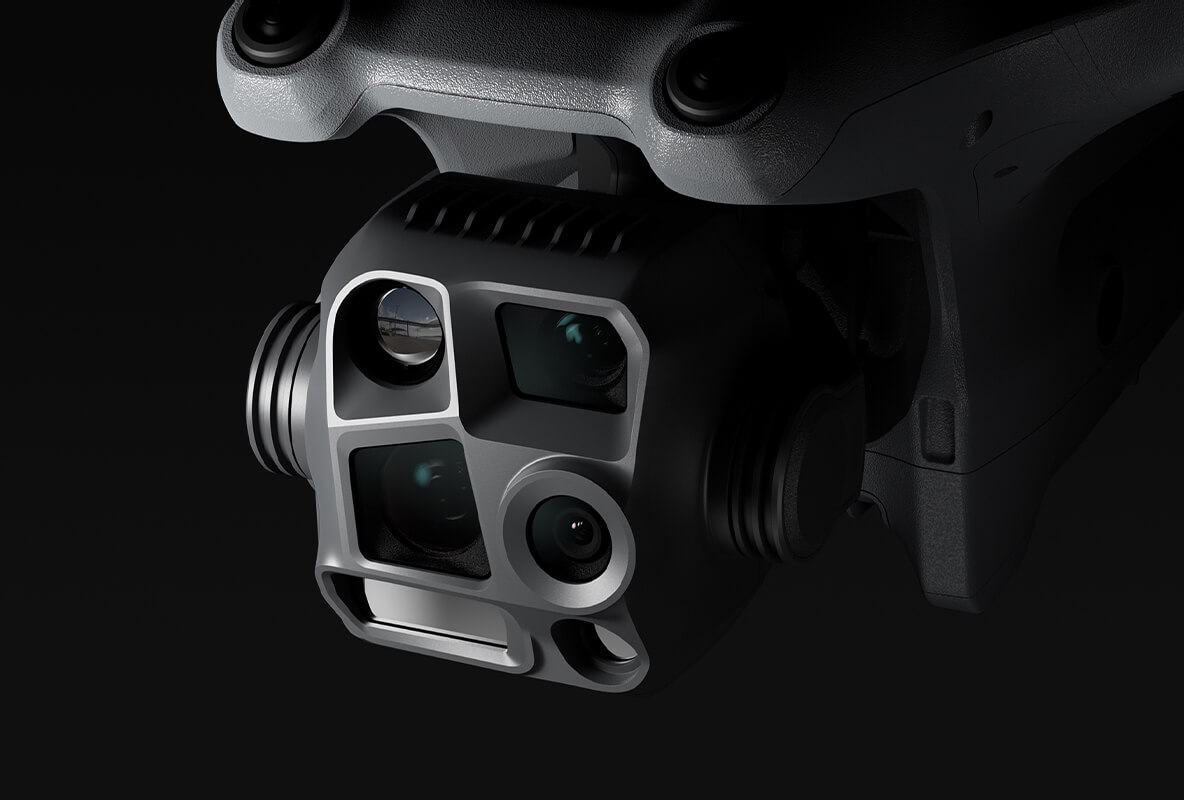
- Drone type and configuration (Matrice 3D, 4D, 4TD, payload details)
- Purpose of flights (mapping, inspection, monitoring, thermal survey)
- Geographic boundaries of the operational volume
- Flight altitude, speed, and typical mission duration
- Frequency of flights (daily, multiple daily, on-demand)
- Data handling and storage procedures
Personnel and Responsibilities
- Remote Pilot in Command (RPIC) qualifications and role
- Maintenance personnel
- Emergency response chain
- Who monitors real-time flight status
Ground Infrastructure
- Dock mounting (fixed concrete pad, rooftop, vehicle-mounted)
- Power supply specifications
- Network connectivity (4G/5G, backup satellite)
- Weather monitoring systems
Emergency Procedures
- Loss of communication protocol (automatic return-to-dock)
- Loss of GPS protocol
- Battery emergency protocol
- Third-party aircraft detected in operational volume
- Dock malfunction during flight
Step 2: Conduct the Ground Risk Assessment (GRC)
The Ground Risk Assessment evaluates the risk to people and property on the ground beneath and around the flight path. SORA uses a Ground Risk Class (GRC) scale from 1 (lowest) to 10+ (highest).
For dock-based operations, the GRC calculation considers:
Intrinsic Ground Risk
- Maximum drone dimension (characteristic dimension)
- Maximum kinetic energy at impact
- Type of operational area (controlled ground area, sparsely populated, populated, dense urban)
Mitigations That Lower the GRC
- Strategic mitigation M1: Reducing the number of people at risk (operating over industrial sites with restricted access, construction sites with managed populations)
- Technical mitigation M2: Reducing ground impact effects (parachute systems, energy-absorbing structures)
Dock operations on industrial sites, construction zones, energy facilities, and other controlled-access areas typically achieve lower GRC values because the operational volume has restricted population density. This is one reason why dock operations often receive faster approval than general BVLOS over populated areas.
Step 3: Conduct the Air Risk Assessment (ARC)
The Air Risk Assessment evaluates the probability of encountering manned aircraft in the operational volume. SORA assigns an Air Risk Class (ARC) from ARC-a (lowest) to ARC-d (highest).
ARC determination depends on:
- Proximity to airports and controlled airspace
- Altitude of operations (lower altitudes generally have lower ARC)
- Type of airspace (uncontrolled vs controlled)
- Density of general aviation traffic in the area
Mitigations That Lower the ARC
- Strategic mitigation: Operating in segregated airspace, restricted zones, or areas with limited aviation activity
- Tactical mitigation: Detect-and-Avoid (DAA) systems, U-space integration, FLARM compatibility
For European dock operations, key ARC considerations:
- Operations below 120 m AGL in uncontrolled airspace typically start at ARC-b or lower
- U-space integration can provide tactical mitigation by providing real-time airspace awareness
- Operating in designated U-space zones simplifies ARC mitigation documentation

Step 4: Determine the SAIL and Required OSOs
Based on the final GRC and ARC values, SORA determines the Specific Assurance and Integrity Level (SAIL). The SAIL ranges from I (lowest) to VI (highest) and dictates which Operational Safety Objectives (OSOs) must be met and to what level of assurance.
| SAIL | Typical Dock Operation | Assurance Level |
|---|---|---|
| I-II | Rural industrial sites, low ARC | Low to medium assurance on most OSOs |
| III-IV | Suburban construction, moderate ARC | Medium to high assurance, more rigorous documentation |
| V-VI | Dense urban, near airports | High assurance, rarely practical for standard dock ops |
Most dock-based monitoring operations on construction sites, energy facilities, and industrial zones fall into SAIL II-III, which requires moderate documentation and achievable mitigations.
The 24 OSOs cover areas including:
- Operator competence and training
- UAS technical design and maintenance
- Operational procedures and risk mitigation
- External services and support (U-space, communications)
Step 5: Prepare and Submit the Application
With the ConOps, GRC, ARC, SAIL, and OSO compliance documented, the complete SORA package is submitted to the relevant NAA.
Application content checklist:
- Complete ConOps document
- SORA risk assessment with GRC and ARC calculations
- SAIL determination and OSO compliance matrix
- Supporting technical documentation (drone specs, dock specs, safety features)
- Insurance documentation (EU Regulation 785/2004 compliant)
- Operator registration and competence evidence
- Emergency response procedures
- Maintenance and inspection schedules
Country-Specific Timelines
Authorization timelines vary significantly by country, driven by NAA staffing, application volume, and how established their SORA review process is.
| Country | NAA | Typical Timeline | Notes |
|---|---|---|---|
| Germany | LBA | 3-6 months | Mature process, high volume of applications |
| France | DGAC | 3-6 months | Accelerated by Paris Olympics investment |
| United Kingdom | CAA | 6-12 months | Separate from EASA, CAP 722 process |
| Netherlands | ILT | 3-6 months | Pioneer in U-space, streamlined review |
| Norway | Luftfartstilsynet | 3-6 months | Active offshore/energy sector driving volume |
| Denmark | Trafikstyrelsen | 3-6 months | Copenhagen U-space corridor established |
| Spain | AESA | 4-8 months | Growing volume, multiple U-space suppliers |
| Italy | ENAC | 4-8 months | Urban U-space operational in 3 areas |
The UK CAA operates independently from EASA since Brexit. An EASA-based SORA approval does not transfer to the UK. Operators planning cross-border deployments (e.g., Ireland and Northern Ireland, or EU-wide) should factor in separate UK application timelines.
Tips for Faster Approval
1. Pre-consultation with the NAA. Most European NAAs offer pre-application meetings or preliminary reviews. Germany’s LBA and the UK CAA Innovation Hub are particularly receptive. A 30-minute pre-consultation can prevent months of back-and-forth on documentation issues.
2. Use a Predefined Risk Assessment (PDRA) where applicable. EASA has published PDRAs for specific low-risk BVLOS scenarios. If your operation fits within a PDRA envelope, the authorization process is significantly shorter because the risk assessment is pre-approved. Check PDRA-G01, PDRA-G02, and PDRA-S01 for relevance.
3. Submit a complete package on the first attempt. The most common cause of delays is incomplete applications that trigger multiple rounds of requests for additional information. Every missing document adds 4-8 weeks to the timeline.
4. Reference previous approvals. If you have an existing SORA authorization in one EU member state, reference it in subsequent applications. While approvals do not automatically transfer between NAAs, reviewers consider demonstrated operational experience as evidence of competence.
5. Engage a regulatory consultant or experienced operator. Organizations like THE FUTURE 3D that regularly navigate SORA across multiple European markets maintain relationships with NAAs and understand the documentation expectations specific to each authority.
6. Leverage U-space integration. In countries with operational U-space zones, integrating your dock operations with the local U-space Service Provider (USSP) can simplify the air risk assessment and demonstrate tactical mitigation.
7. Start with a lower-risk site. Your first SORA application has the longest timeline because the NAA has no precedent for your organisation. Choose a site with low GRC (industrial, restricted access) and low ARC (away from airports, low GA traffic) for the initial application. Subsequent applications for similar operations are faster.
What Happens After Approval
A SORA authorization is typically valid for 2-5 years depending on the NAA and the operation’s risk level. Conditions may include:
- Regular reporting to the NAA (incident reports, operational statistics)
- Annual compliance audits
- Notification of any changes to the ConOps (new drone type, expanded operational volume, etc.)
- Renewal application before expiry
Significant changes to the operation (different drone, different site, expanded altitude) may require a new SORA application or an amendment to the existing authorization.
Getting Your Dock Operations Approved
THE FUTURE 3D provides complete EASA SORA compliance support as part of every dock deployment in Europe. We prepare the ConOps, conduct the risk assessment, coordinate with the relevant NAA, and manage the authorization through to approval.
Learn more about dock-based drone operations, check your country’s regulatory readiness with our BVLOS Compliance Checker, plan your deployment with the Dock Deployment Planner, or request a quote to get started with a fully compliant dock operation.
Ready to Start Your Project?
Get a free quote and consultation from our 3D scanning experts.
Get Your Free Quote