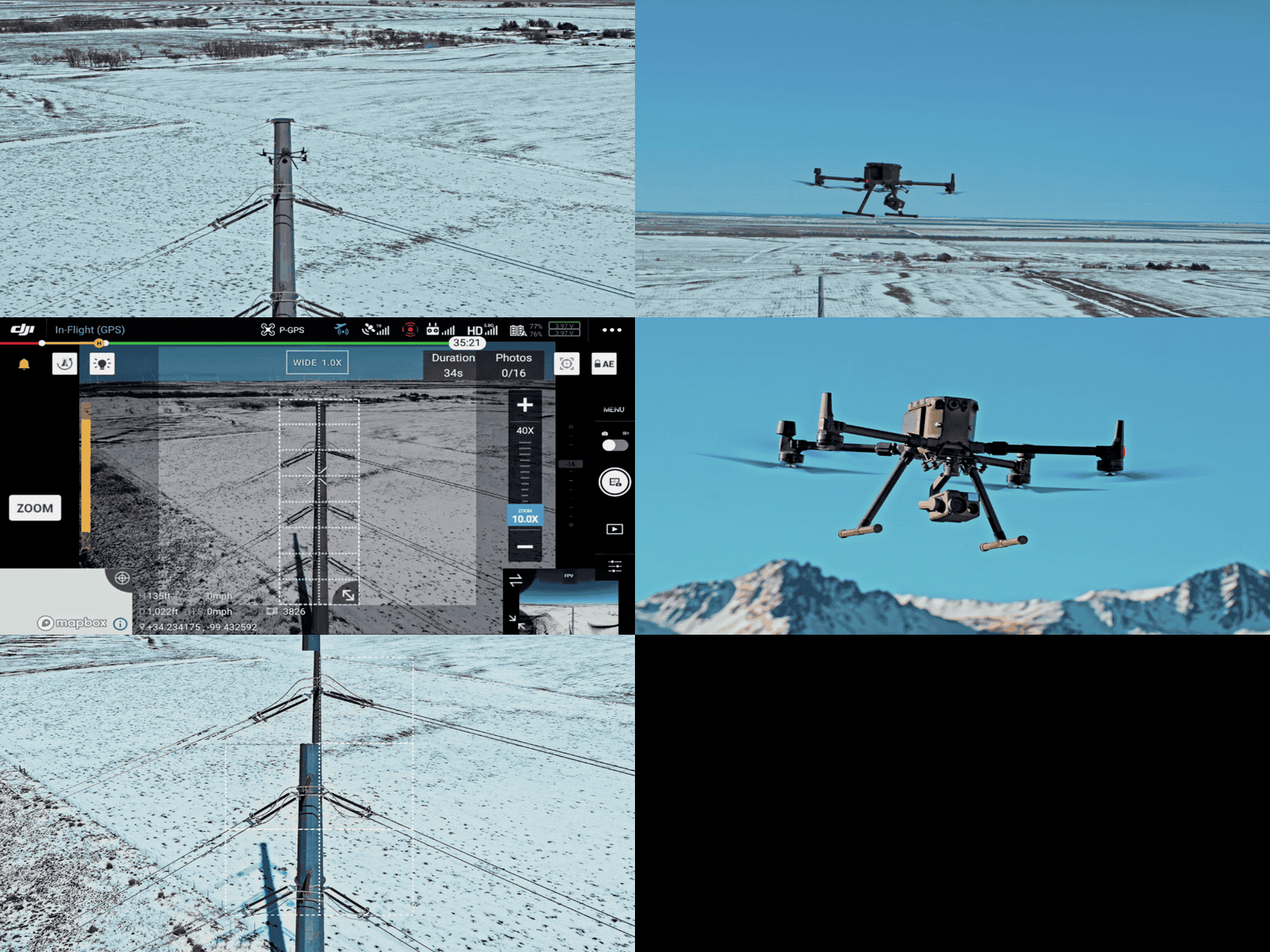
Brooklyn’s waterfront has transformed over the past two decades. From DUMBO’s converted warehouses to Williamsburg’s glass towers and Brooklyn Heights’ historic brownstone facades, the borough’s building stock presents a wide range of facade inspection challenges.
NYC’s Facade Inspection Requirements
New York City’s Facade Inspection Safety Program (FISP, formerly Local Law 11) requires buildings over six stories to undergo facade inspections every five years. A Qualified Exterior Wall Inspector (QEWI) must classify the facade as Safe, Safe With a Repair and Maintenance Program (SWARMP), or Unsafe.
Traditionally, this means swing stages, scaffolding, or rope access — expensive, time-consuming, and disruptive to tenants and pedestrians.
How Drone Inspections Work in Brooklyn
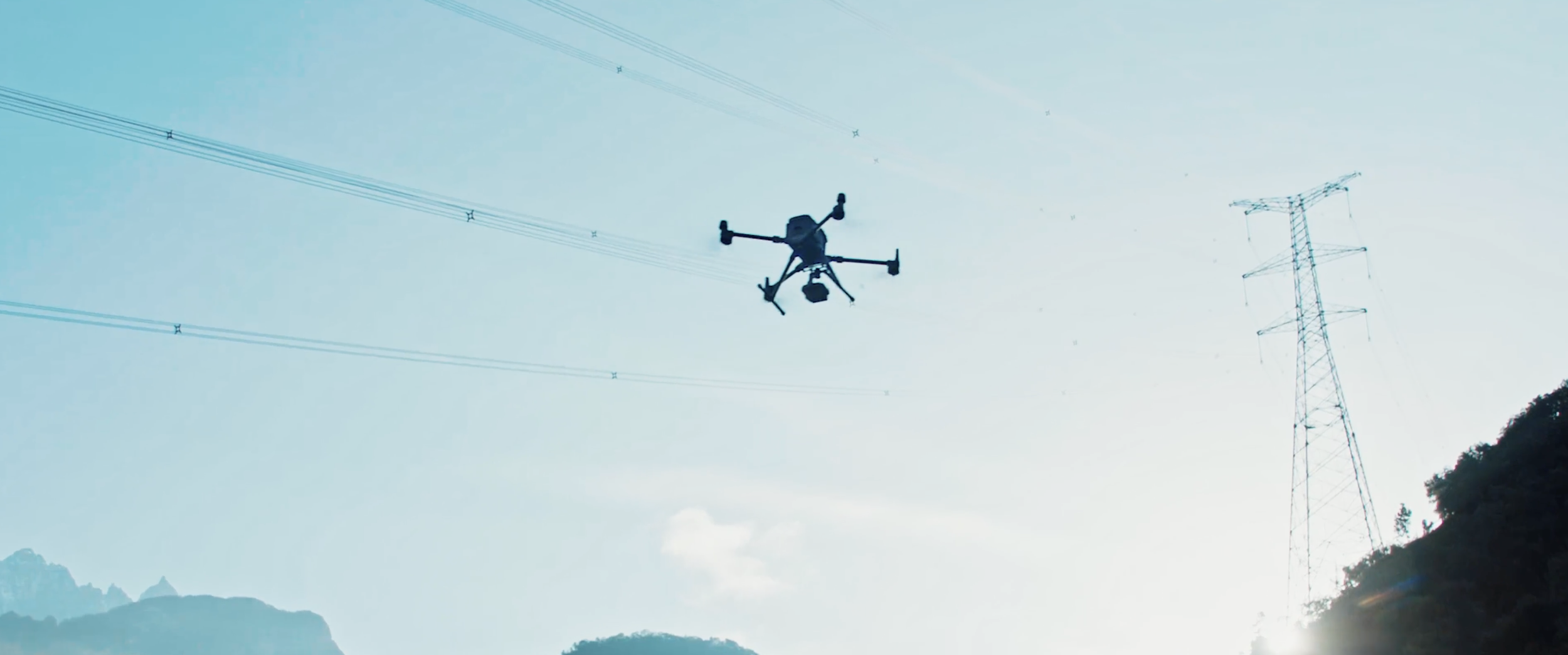
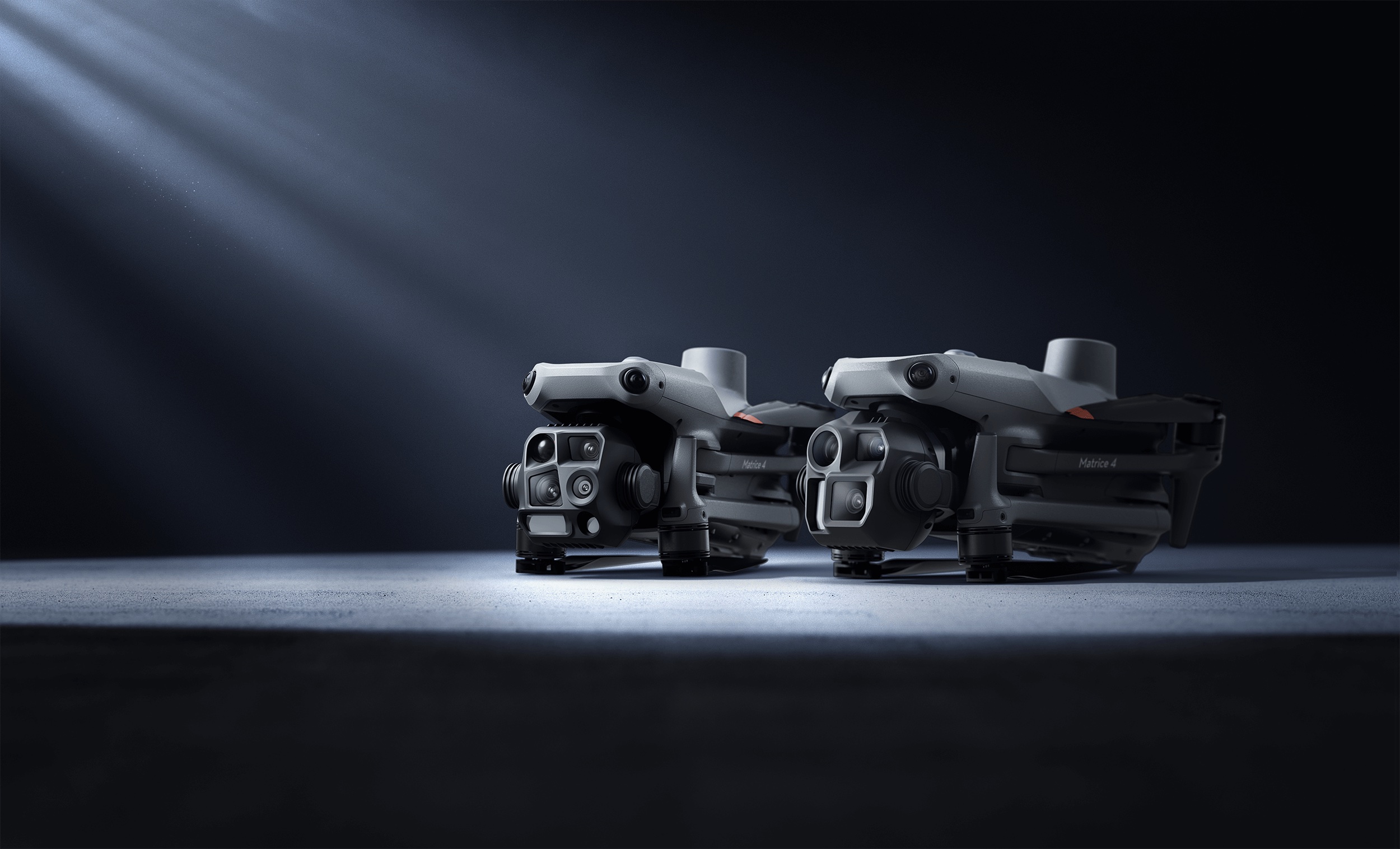
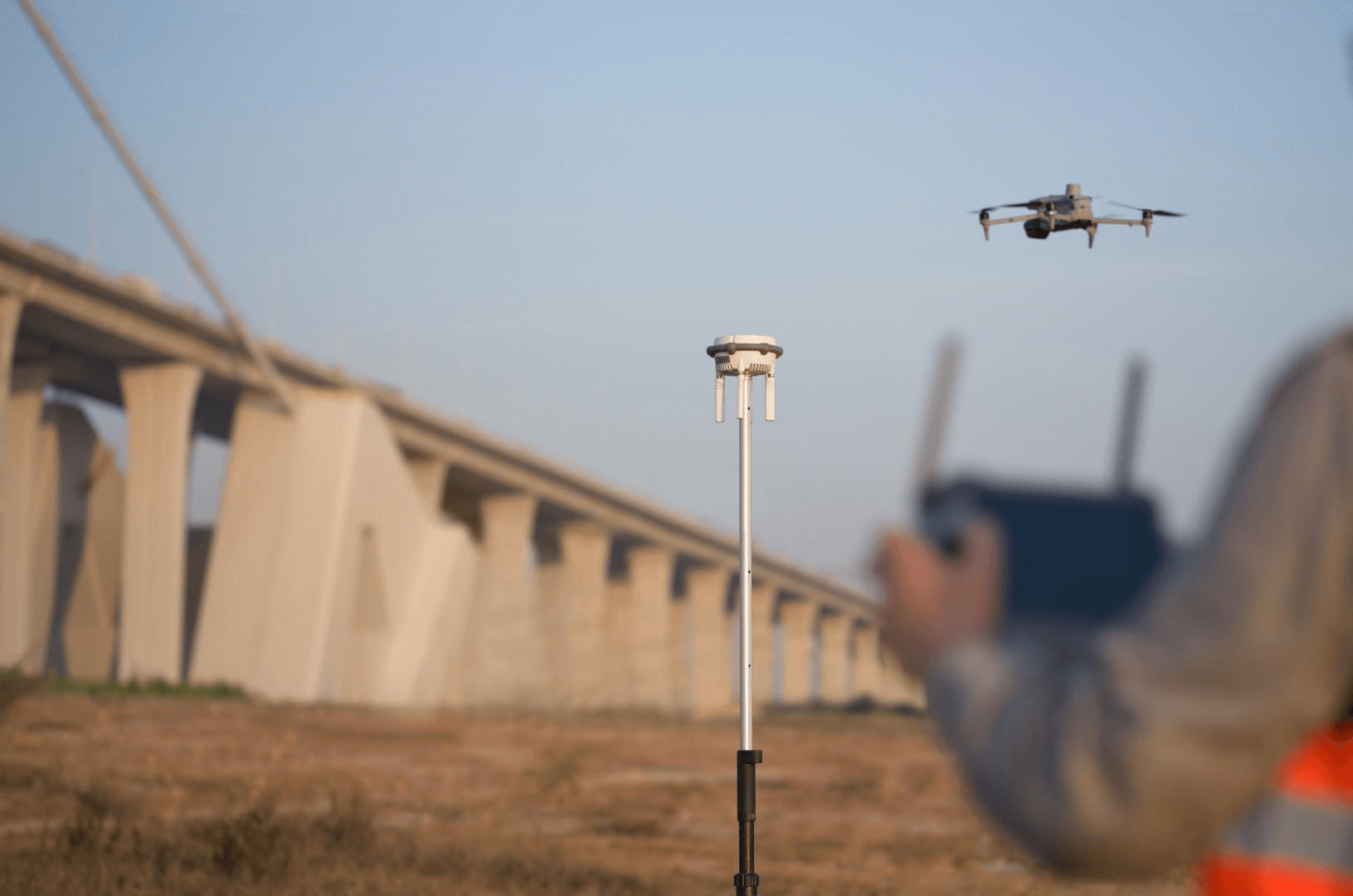
Our drone inspection teams deploy DJI Matrice 4T thermal and Matrice 4E visual drones to capture facade conditions without physical access to the building exterior:
Visual documentation: 48MP imagery at resolutions sufficient for crack detection, pointing deterioration, and sealant failure identification. We fly systematic grid patterns at 15-20 foot offset distances, ensuring full coverage of every facade face.
Thermal scanning: The M4T’s 640x512 uncooled vanadium oxide (VOx) microbolometer thermal sensor detects moisture infiltration, insulation voids, and hidden delamination that visual inspection alone would miss. Water trapped behind facade materials shows as thermal anomalies — often the first sign of a developing problem.
Deliverables: Orthomosaic facade maps, annotated deficiency reports, and thermal overlays that your QEWI can use directly in their FISP filing. We deliver within 5-7 business days of the flight.
Neighborhood-Specific Considerations
DUMBO
DUMBO’s converted warehouse buildings present thick masonry facades with century-old pointing. The Manhattan Bridge and Brooklyn Bridge create complex FAA airspace — we operate under Part 107 waivers when necessary and coordinate with the local FSDO. The cobblestone streets limit ground vehicle staging, so we deploy from nearby rooftops or designated areas.
Brooklyn Heights
The Brooklyn Heights Historic District is one of NYC’s first designated landmark areas. Facade work here requires Landmarks Preservation Commission (LPC) approval, and inspection documentation must meet LPC’s preservation standards. Our high-resolution imagery provides the detail level LPC reviewers expect.
Williamsburg
Williamsburg’s mix of new glass-and-steel towers and older industrial buildings means we switch between thermal protocols (for newer curtain wall systems) and visual masonry assessment (for the remaining industrial stock). The neighborhood’s active construction environment requires coordination with multiple tower cranes and construction sites.
Cost Comparison: Drone vs. Traditional Facade Inspection
For a typical 12-story Brooklyn building:
| Method | Timeline | Typical Cost Range |
|---|---|---|
| Swing stage inspection | 2-4 weeks setup + inspection | Higher — includes equipment rental, labor, DOT sidewalk permits |
| Rope access | 1-2 weeks | Moderate — requires certified rope access technicians |
| Drone inspection | 1-2 days on-site | Lower — no physical access equipment, no sidewalk closures |
The drone approach doesn’t replace every aspect of hands-on inspection — probe testing and material sampling still require physical access. But for the initial survey and ongoing monitoring between FISP cycles, drones deliver faster results at lower cost.
Other NYC Boroughs We Cover
- Manhattan — High-rise corridors, landmark buildings
- Queens — Long Island City high-rises, Astoria mixed-use
- Bronx — South Bronx industrial, Riverdale residential
- Staten Island — Waterfront and institutional buildings
Request a drone facade inspection quote — we deploy across all five NYC boroughs.
Prefer to run inspections with your own aircraft? We sell equipment from our working fleet, including a brand-new DJI Matrice 400 enterprise drone for sale and a lightly used DJI Matrice 4T thermal drone — the same class of platforms we fly on facade work.
Ready to Start Your Project?
Get a free quote and consultation from our 3D scanning experts.
Get Your Free Quote