New York City’s Department of Buildings (DOB) has specific requirements that intersect with 3D laser scanning — from alteration permits that require accurate existing conditions documentation to FISP facade compliance and landmark preservation filings. Understanding these requirements before your scanning project starts saves time and avoids rework.
When NYC DOB Requires Spatial Documentation
Several DOB filing categories benefit from or require accurate as-built conditions:
Alteration Type 1 (Alt-1) Filings
Major building alterations — changing occupancy, structural modifications, or significant scope renovation — require existing conditions documentation as part of the filing. 3D scanning provides survey-grade accuracy that architects and engineers need for their DOB submissions.
Common Alt-1 scenarios where scanning is used:
- Office-to-residential conversions (especially in Financial District and Tribeca)
- Gut renovations of pre-war buildings in Chelsea and SoHo
- Landmark building modifications requiring LPC approval
Alteration Type 2 (Alt-2) Filings
Tenant improvements that don’t change building occupancy but involve multiple work types (architectural, plumbing, mechanical). Scanning accelerates the design phase by giving architects precise dimensions from day one, reducing RFI cycles during construction.
The Midtown and Midtown East corridors generate the highest volume of Alt-2 scanning requests — driven by the constant cycle of tenant turnover in Class A office buildings.
FISP (Facade Inspection Safety Program)
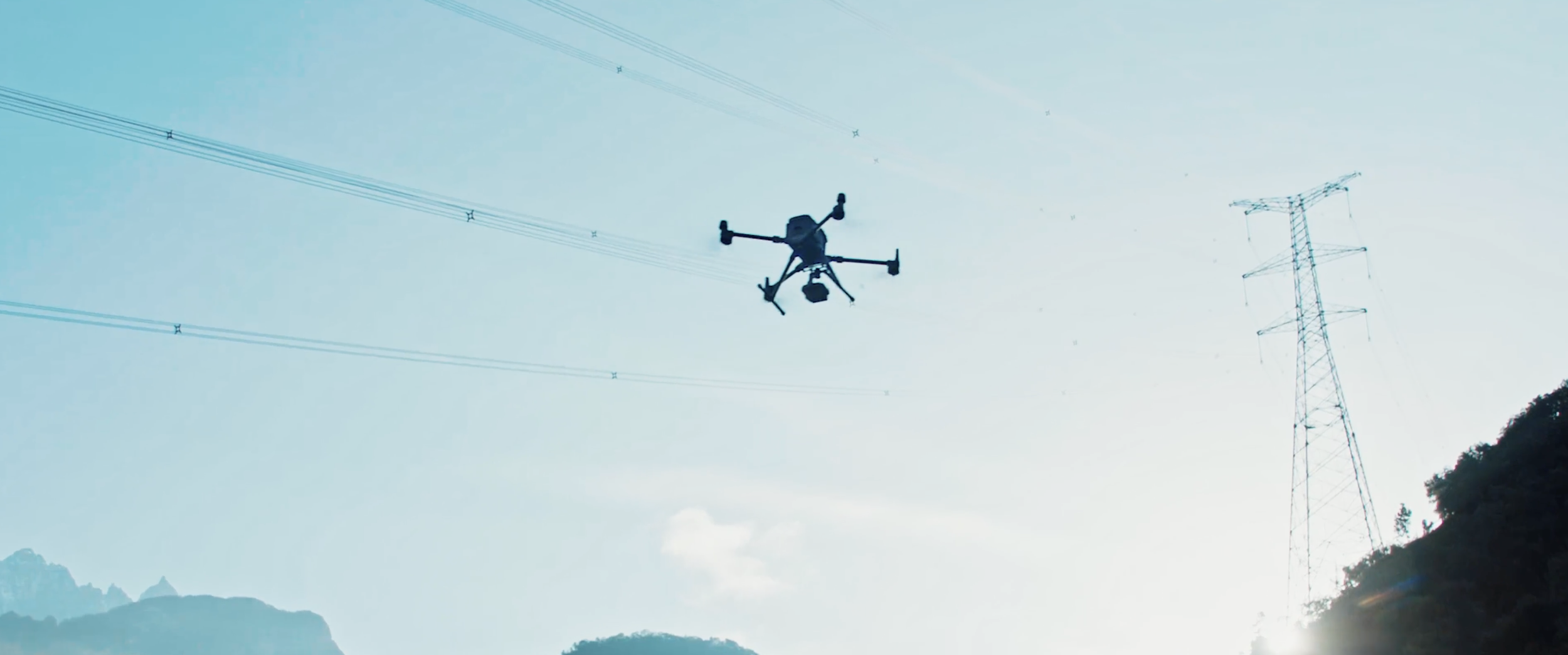
Buildings over six stories undergo mandatory facade inspections every five years. While scanning alone doesn’t satisfy FISP requirements (a QEWI must perform the inspection), drone photogrammetry and drone inspections provide supplementary documentation that supports the QEWI’s assessment.
Borough-Specific DOB Considerations
Manhattan
Manhattan’s density of landmark buildings adds LPC (Landmarks Preservation Commission) overlay requirements to standard DOB filings. In neighborhoods like Upper East Side, Greenwich Village, and SoHo, any exterior modification requires LPC approval — and the commission expects detailed existing-conditions documentation.
Brooklyn
Brooklyn Heights was NYC’s first designated historic district. DUMBO, Park Slope, and Cobble Hill also have historic district designations that add documentation requirements to renovation permits.
New construction in Williamsburg and Downtown Brooklyn follows standard DOB protocols without LPC overlay.
Queens
Long Island City’s development boom means constant DOB activity — new high-rises, conversions, and mixed-use projects. Scanning is increasingly standard for foundation surveys and existing-conditions captures in active construction zones.
Astoria and Flushing present more mixed-use and residential scanning scenarios, where the primary DOB intersection is through renovation permits.
How 3D Scanning Supports DOB Filings
The scanning deliverables DOB-related projects typically need:
-
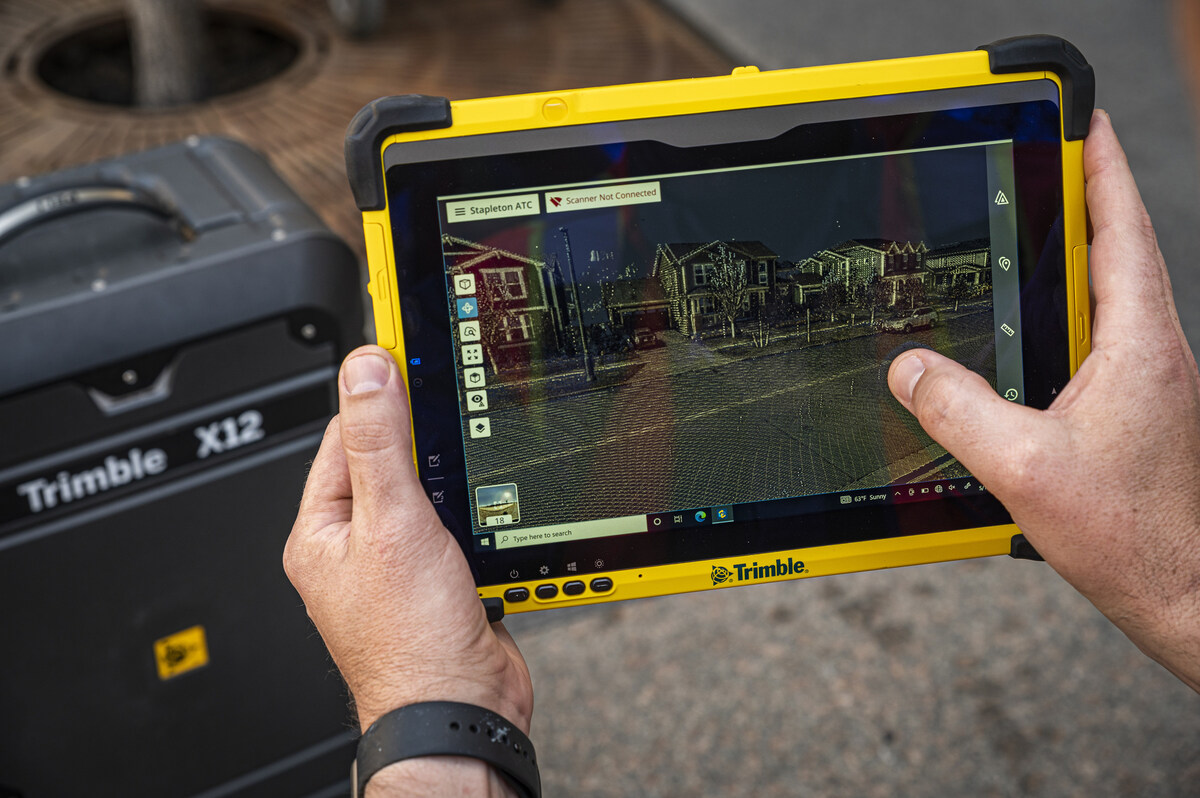
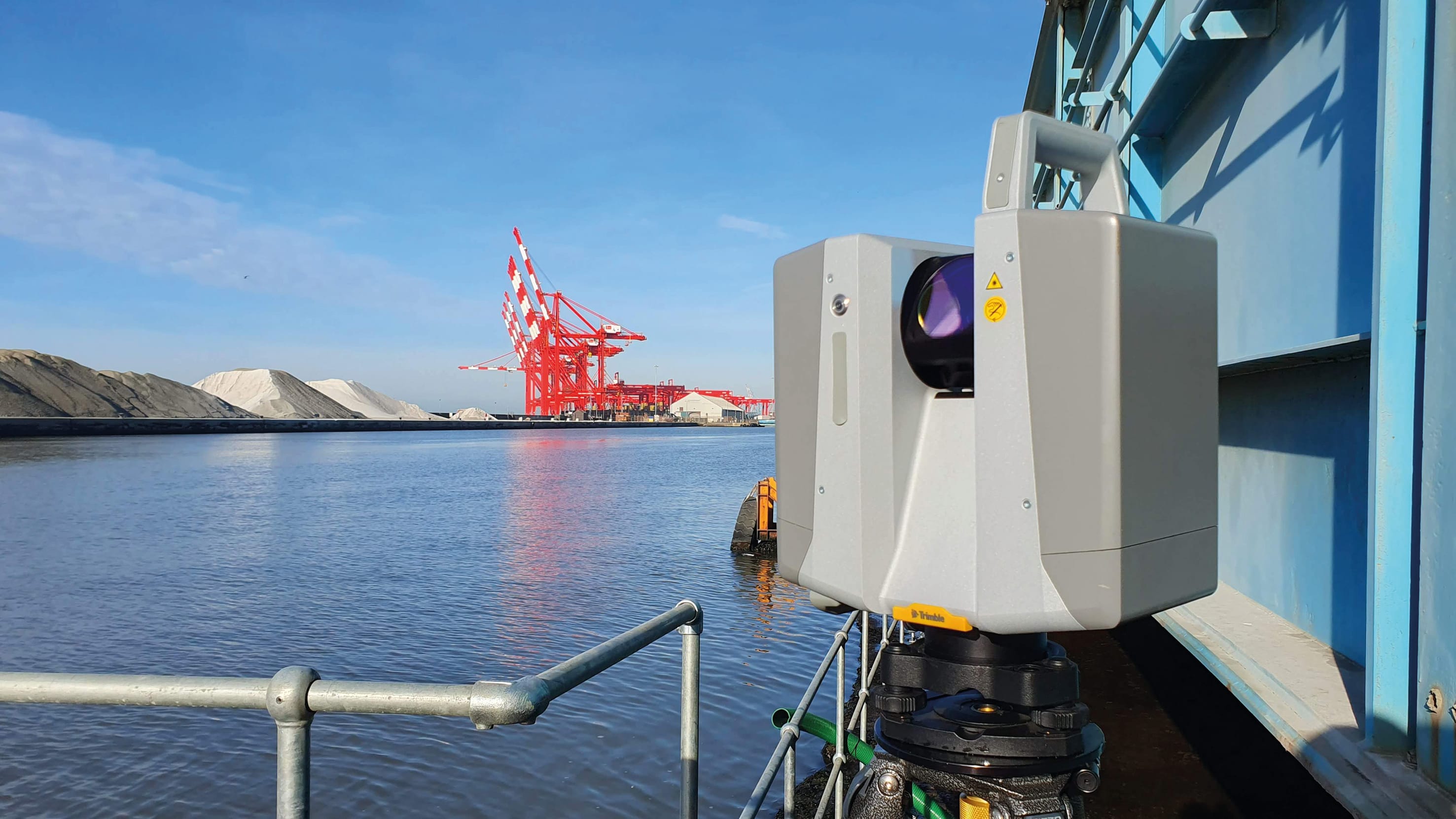
Point cloud data (E57, RCP) — The raw spatial record. Architects and engineers use this as the foundation for their DOB submission drawings.
-
BIM-conversion-ready data — For projects where a BIM model is required, we deliver scan data formatted for direct import into Revit or equivalent platforms. Your BIM modeling team handles the conversion to LOD 200-300 models.
-
2D floor plans from scan data — Some DOB filings need traditional 2D plans. Point cloud data can be sectioned and traced to produce accurate floor plans.
-
Facade orthomosaics — For FISP documentation, high-resolution orthomosaic images created from drone photogrammetry provide measurable facade records.
Practical Tips for NYC Scanning Projects
Schedule building access early. Most Manhattan commercial buildings require 48-72 hours advance notice for vendor access. Residential co-ops and condos may require board approval.
Coordinate with the project architect. The architect’s DOB filing requirements determine what level of detail the scan needs to capture. A simple tenant improvement might need only the occupied space; a full building renovation might need every floor including mechanical spaces.
Plan for above-ceiling access. NYC’s older buildings often have complex MEP systems above drop ceilings. Discuss with building management whether ceiling tiles can be removed during scanning.
Budget for the right scope. Scanning costs are driven by square footage and complexity. Use our cost calculator for initial budgeting, then request a detailed quote with your DOB filing scope.
Get Started
Our NYC team handles 3D laser scanning, scan-to-BIM, and as-built documentation across all five boroughs. We understand DOB filing requirements and deliver data formatted for your architect’s workflow.
Get a quote — avg 1-hour response time.
Ready to Start Your Project?
Get a free quote and consultation from our 3D scanning experts.
Get Your Free Quote