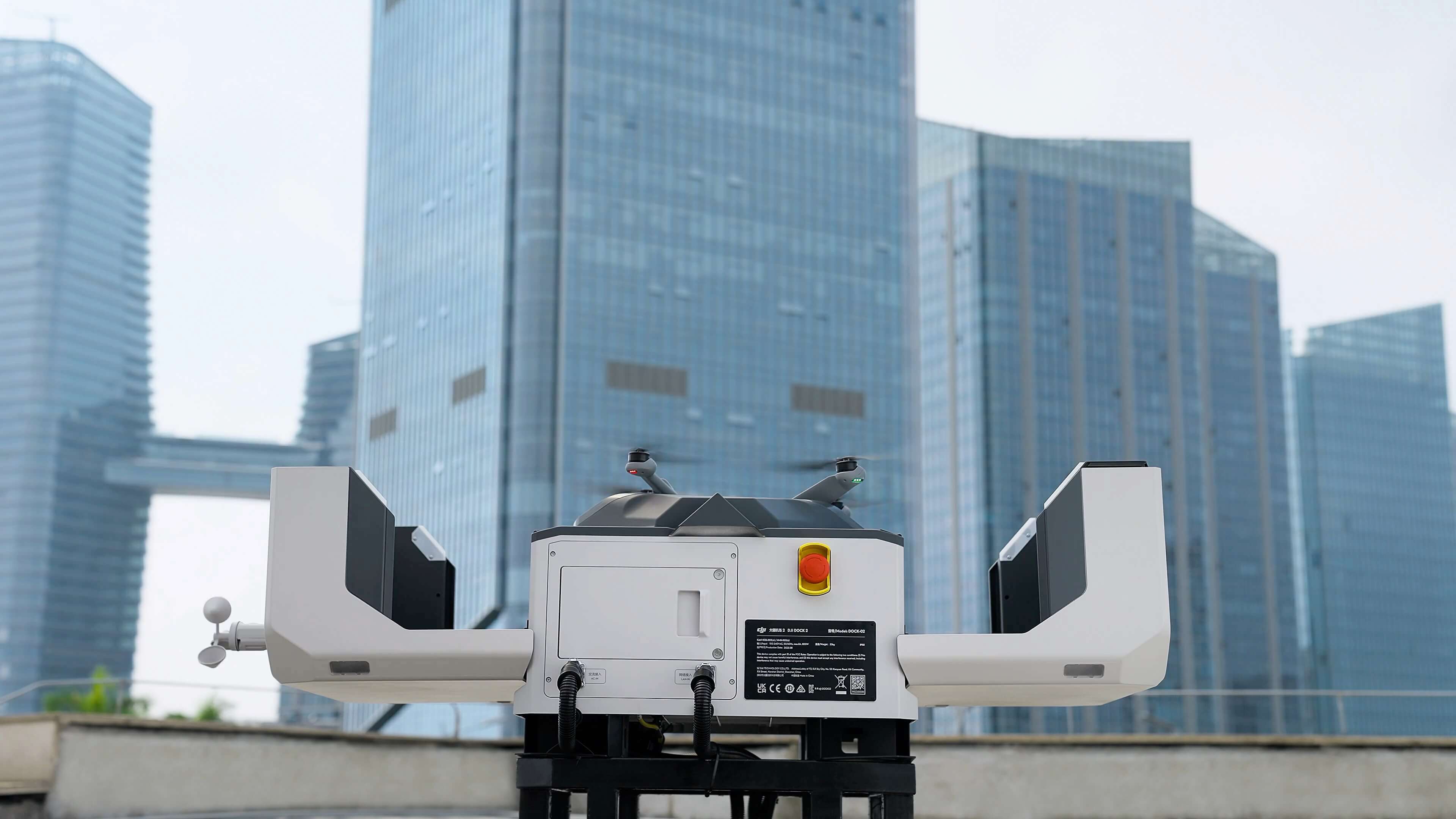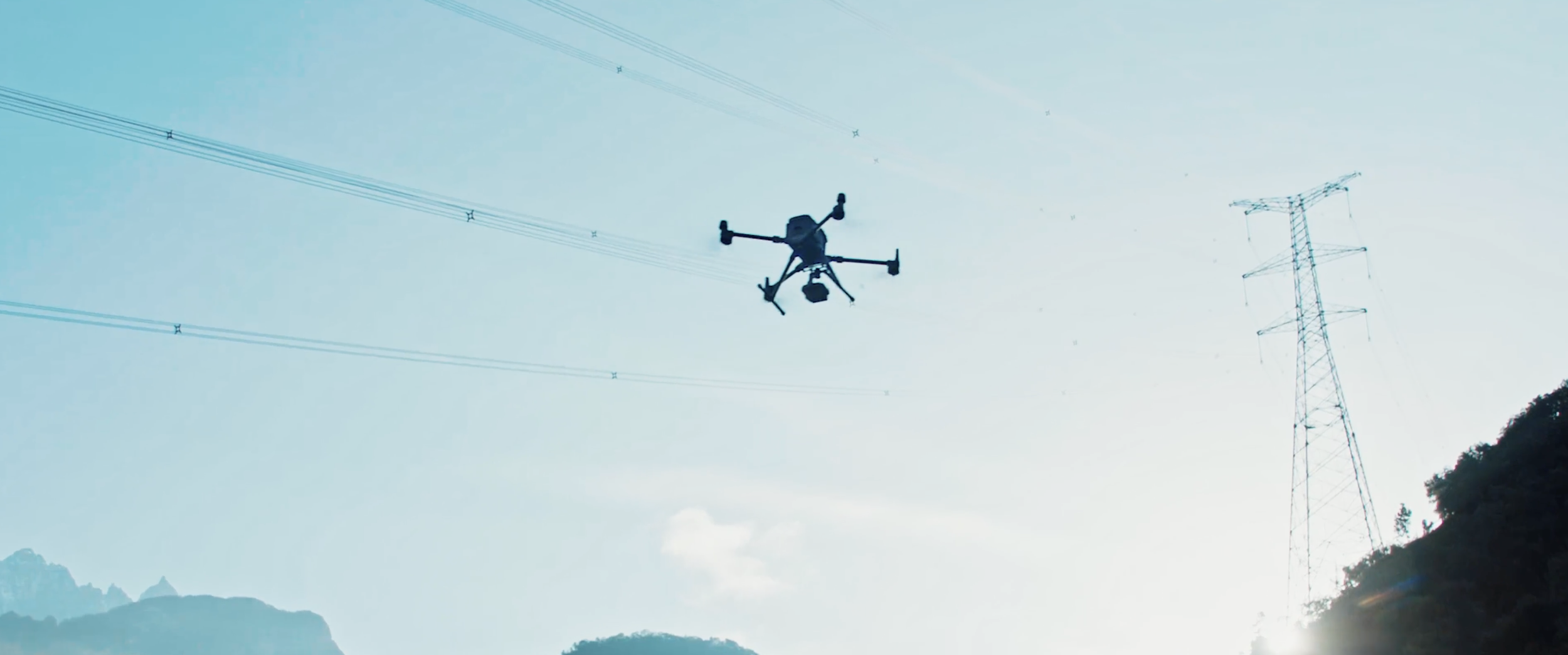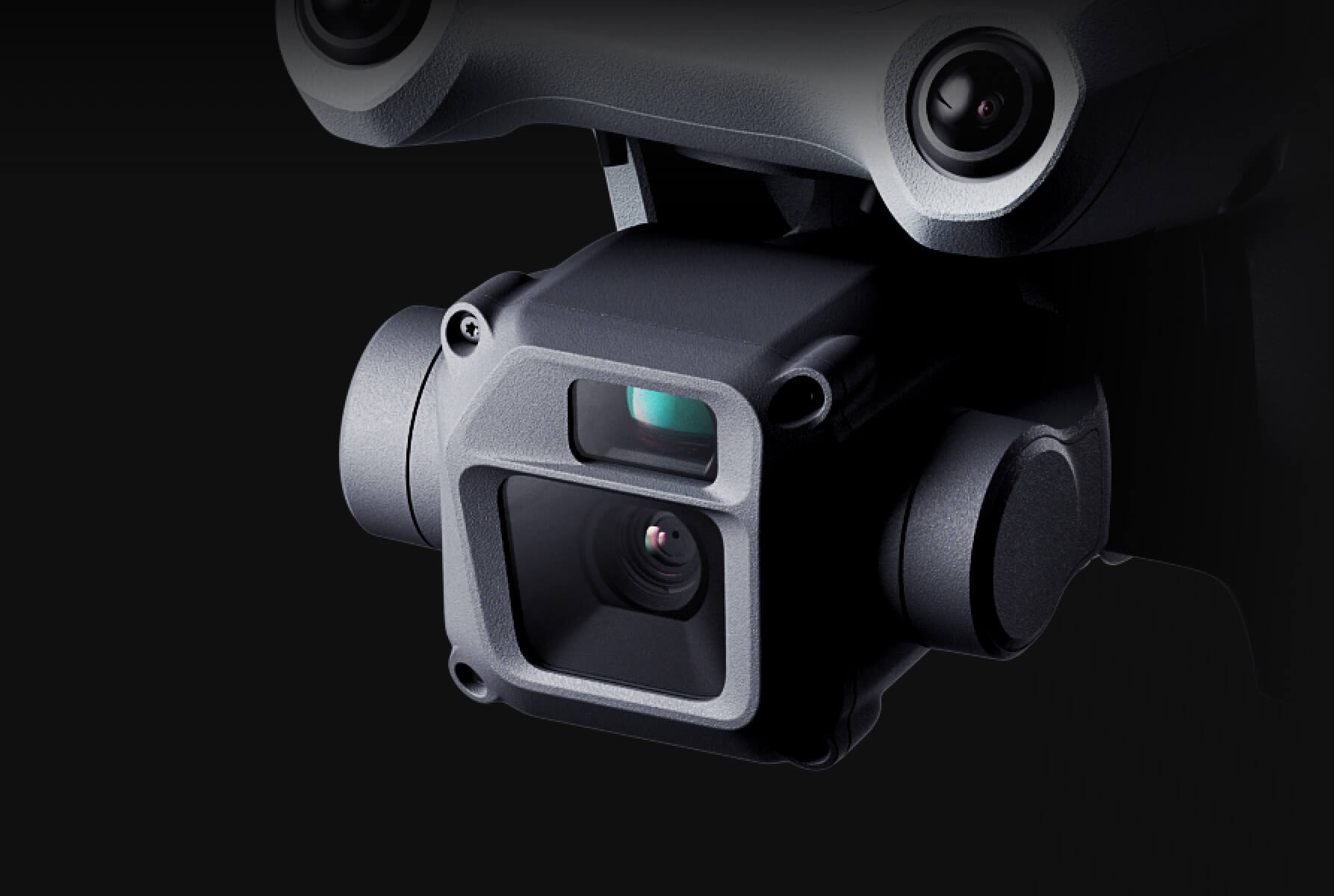
DJI’s Dock 2 and Dock 3 are excellent autonomous drone docking stations, but they come with DJI-ecosystem pricing and single-manufacturer lock-in. THE FUTURE 3D has developed a proprietary dock system that delivers the same autonomous BVLOS capabilities at approximately 25% lower total deployment cost, with multi-platform compatibility and design choices specifically tailored for European operating conditions.
This post explains what the proprietary dock offers, how it compares to DJI’s commercial docks, and why it matters for operators planning scaled deployments across multiple European sites.
Why We Built a Proprietary Dock
The decision to develop our own dock system came from three operational realities encountered during European deployments:
Cost at scale. A single dock deployment is a manageable investment. But when a client needs 5, 10, or 20 docks across a national infrastructure network, wind farm portfolio, or multi-site construction programme, DJI’s enterprise pricing creates a significant barrier to adoption. Reducing hardware cost by 25% on a 10-dock deployment represents substantial savings that can be redirected to additional coverage or longer service contracts.
Platform flexibility. DJI docks only work with DJI drones. The Dock 2 requires a Matrice 3D or 3TD. The Dock 3 requires a Matrice 4D or 4TD. If a project requires a specific payload that DJI does not offer, or if future platform requirements change, the entire dock infrastructure must be replaced. Our proprietary system supports multiple drone platforms, protecting against single-vendor dependency.
European operating requirements. DJI’s docks are global products designed for worldwide markets. Our proprietary dock is designed specifically for European conditions: EASA regulatory compliance built into the control system, weather hardening for Northern European climates, and integration with European U-space infrastructure.
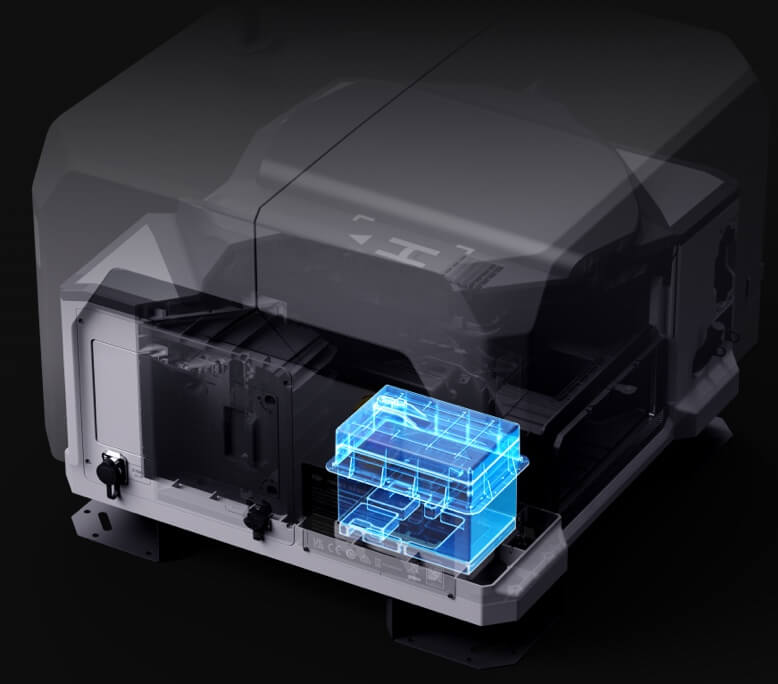
What the Proprietary Dock Delivers
Full Autonomous Operation
The core functionality matches what DJI offers: automatic launch, mission execution, return, landing, battery management, and data upload. Missions are scheduled, triggered manually, or initiated by external events (weather windows, sensor alerts, time-based triggers). No on-site pilot is required for routine operations.
EASA-Ready Compliance
The dock’s control system is designed with EASA Specific Category requirements in mind. Built-in features that support SORA compliance include:
- Automated pre-flight safety checks aligned with SORA operational safety objectives
- Geo-fencing with configurable operational volumes matching the ConOps
- Automatic abort and return-to-dock when conditions breach safety thresholds
- Comprehensive flight logging for NAA reporting requirements
- Integration points for U-space Service Provider connectivity
Multi-Platform Compatibility
Unlike DJI docks which are locked to specific DJI drones, the proprietary dock supports multiple drone platforms. This means:
- Choose the best drone for each specific application (mapping, thermal, LiDAR, multispectral)
- Upgrade drone platforms without replacing dock hardware
- Mix payloads across a fleet using standardised dock infrastructure
European Weather Hardening
Designed for the full range of European conditions:
- Operating temperature range comparable to the DJI Dock 3
- Weather protection rated for heavy rain, salt spray, and storm conditions
- Integrated heating for Nordic winter deployments
- Wind-rated for exposed coastal and mountain installations
Integrated Weather Station
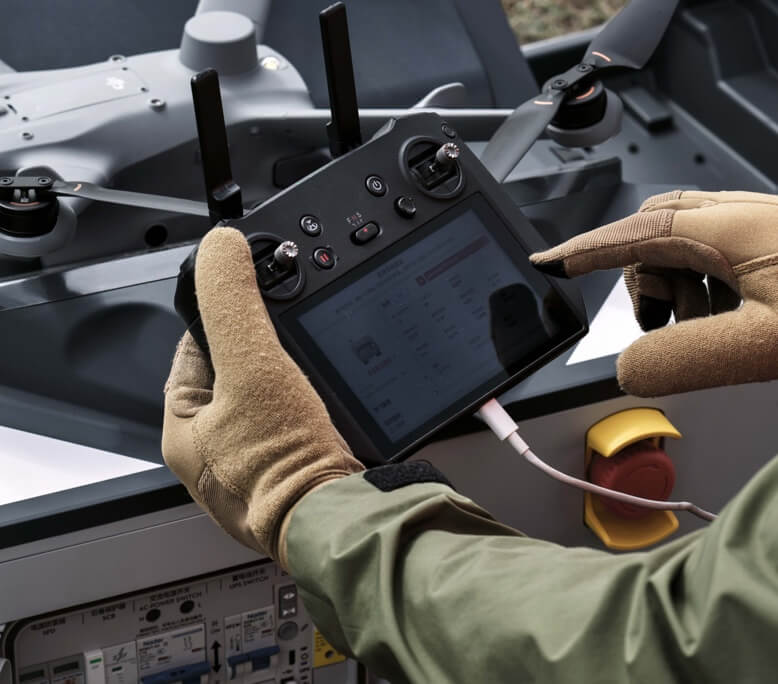
Built-in meteorological sensors continuously monitor:
- Wind speed and direction
- Temperature and humidity
- Precipitation detection
- Barometric pressure
The weather data feeds directly into the flight management system for automatic go/no-go decisions, and is logged alongside flight data for regulatory compliance records.
The 25% Cost Advantage
The cost reduction comes from several factors:
Efficient manufacturing. Purpose-built for the European market rather than designed for global retail distribution with associated marketing, distribution, and multi-region certification overhead.
Direct deployment model. THE FUTURE 3D deploys docks as a managed service. There is no retail distribution chain with multiple markup layers between manufacturer and end user.
Optimised for purpose. The dock is designed for the specific use cases that European operators actually need: construction monitoring, infrastructure inspection, energy asset management, and security surveillance. Features that serve other markets but add cost for European operators are omitted.
Scaled procurement. Components are sourced at volume pricing for fleet deployments rather than individual retail units.
The 25% cost reduction applies to total deployment cost including hardware, installation, and commissioning. For exact pricing tailored to your deployment, contact us for a quote.
How It Compares to DJI Docks
| Capability | DJI Dock 2 | DJI Dock 3 | THE FUTURE 3D Proprietary |
|---|---|---|---|
| Autonomous operation | Yes | Yes | Yes |
| Weather protection | IP55 | IP56 | Comparable to IP56 |
| Cold weather operation | -25°C | -30°C | Designed for Nordic conditions |
| Drone compatibility | M3D/M3TD only | M4D/M4TD only | Multi-platform |
| Vehicle mounting | No | Yes | Configuration-dependent |
| U-space integration | DJI FlightHub 2 | DJI FlightHub 2 | Open integration |
| EASA SORA support | Manual documentation | Manual documentation | Built-in compliance features |
| Relative cost | Baseline | Higher | ~25% below DJI pricing |
Where the Proprietary Dock Makes Sense
The proprietary dock is particularly compelling for:
Multi-site deployments. When deploying 3 or more docks, the per-unit savings compound meaningfully. A 10-dock infrastructure monitoring network achieves significant cost reduction compared to equivalent DJI hardware.
Long-term service contracts. For clients who engage THE FUTURE 3D as a managed drone operations provider, the proprietary dock is part of a service package that includes hardware, SORA compliance, maintenance, data management, and ongoing fleet operations.
Mixed-platform requirements. Projects that need both RGB mapping and specialised payloads (multispectral for agriculture, high-resolution thermal for energy, LiDAR for volumetric analysis) benefit from a dock that can support different drone platforms as requirements evolve.
Clients seeking vendor independence. Some organisations, particularly public sector and critical infrastructure operators, prefer to avoid single-vendor dependency. The multi-platform architecture provides procurement flexibility and technology transition planning.
When to Choose DJI Instead
The DJI Dock 3 remains the right choice in specific scenarios:
- When you already have a DJI FlightHub 2 deployment and need tight ecosystem integration
- When DJI’s specific vehicle-mounting solution is required
- For single-site deployments where the per-unit cost difference is less material
- When the specific Matrice 4D or 4TD payload is the only viable option for the application
We deploy DJI docks as well as our proprietary system. The recommendation depends entirely on the client’s operational requirements, deployment scale, and long-term strategy.
Getting Started
THE FUTURE 3D offers both DJI and proprietary dock deployments across Europe. We provide site assessment, EASA SORA compliance, hardware installation, and ongoing managed operations.
To discuss which dock system best fits your deployment, explore our Dock Operations Hub, use the Dock Deployment Planner for an initial recommendation, calculate your cost savings with the ROI Calculator, or request a deployment quote for detailed pricing.
Ready to Start Your Project?
Get a free quote and consultation from our 3D scanning experts.
Get Your Free Quote