One of the most common questions school administrators ask about safety mapping mandates is: “How do we pay for it?” The answer, in most cases, is state grants. As of 2026, 16 states fund school safety mapping programs, with total state-level allocations exceeding $1 billion — led by Texas’s $800M+ SAFE Grant.
This guide covers every available state grant program, how to apply, what expenses qualify, and a critical distinction about federal funding that many administrators get wrong.
The Federal Funding Misconception
Before diving into state programs, it is important to clear up a widespread misconception: federal school safety grants do not fund mapping or 3D scanning.
STOP School Violence Program (BJA, FY25)
- Total: $83M (up to $2M per state, $1M per locality)
- Funds: Training, behavioral threat assessment, anonymous reporting systems, school climate improvement, prevention programs
- Does NOT fund: 3D scanning, floor plan production, interior mapping, or physical documentation of any kind
COPS School Violence Prevention Program (SVPP, FY25)
- Total: $73M (up to $500K per award, 36-month project periods)
- Requires: 25% local cash match (waived for microgrants up to $100K for rural/tribal/low-resourced communities)
- Funds: Coordination with law enforcement, security improvements, technology for threat detection
- Does NOT fund: Physical infrastructure documentation, mapping, or scanning services
The reason these programs do not cover mapping is that they were designed for prevention and response coordination, not physical documentation. Schools looking to fund floor plan and mapping documentation need to look at state-level programs, which are specifically designed for this purpose.
State Grant Programs: Complete Guide
Texas — SAFE Grant ($800M+)
Amount: The 88th Legislature allocated over $800M through the SAFE (School Accountability, Facilities, and Excellence) Grant. Total Texas school safety allocation exceeds $1.1 billion.
Eligible expenses: Emergency response mapping, interior documentation, safety technology, school facility improvements
Who qualifies: All K-12 districts and open-enrollment charter schools in Texas
How to apply: Through the Texas Education Agency (TEA) grant portal. Schools must submit Emergency Operations Plans (EOPs) to the Texas School Safety Center (TxSSC) as part of compliance. The TEA maintains an Emergency Response Campus Mapping Vendor Directory listing approved service providers.
Timeline: Grant cycles align with the state legislative session. Check TEA.texas.gov for current application windows.
For Texas compliance details, see our Texas school safety guide.
Georgia — HB 268 ($61,000 per school)
Amount: $61,000 per school through FY 2026.
Eligible expenses: Digital mapping, panic alert systems, student record transfers, anonymous reporting systems, safety audits
Who qualifies: Georgia public schools under HB 268 (Ricky and Alyssa’s Law)
Coverage: At $61,000 per school, this grant fully covers the cost of 3D laser scanning plus Matterport virtual tours for virtually any school building in the state. A typical 50,000 sqft school costs $10,000–$20,000 for scanning — well within the grant amount, leaving budget for additional safety measures.
How to apply: Through the Georgia Department of Education. Annual map submission to emergency response agencies is required.
For Georgia compliance details, see our Georgia school safety guide.
Minnesota — $7M Statewide Program
Amount: $7M administered through regional emergency communication boards (available until June 30, 2026).
Eligible expenses: School mapping data, field verification, responder access integration
Program structure: The Metropolitan Emergency Services Board awarded a statewide contract to Critical Response Group (CRG). Schools in Minnesota may access mapping services through this existing contract or through direct procurement.
How to apply: Contact your regional emergency communication board. The program is competitive and time-limited (expires June 2026).
New Jersey — $6.5M Mapping Program
Amount: $6.5M total state allocation.
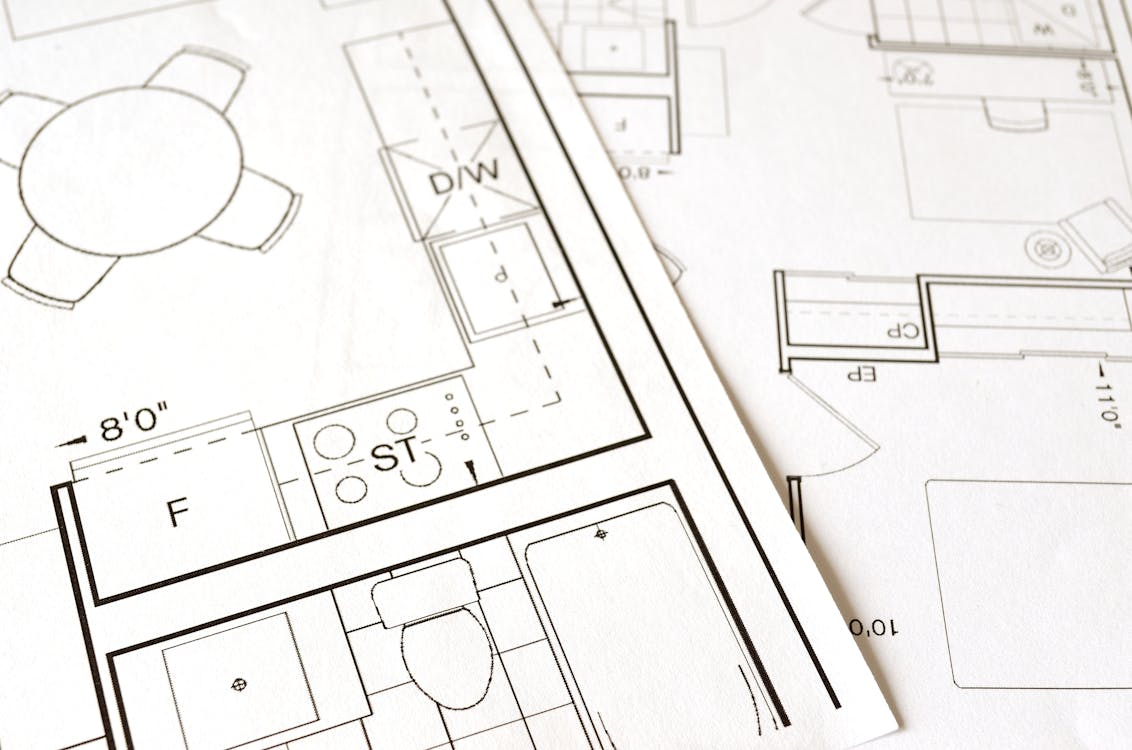
Eligible expenses: Critical incident mapping data production, floor plan documentation
Who qualifies: All boards of education and nonpublic school administrators
How to apply: Through the New Jersey Department of Education. Requirements are set under SB 2426 (separate from the A764 Alyssa’s Law panic alert mandate).
For New Jersey compliance details, see our New Jersey school safety guide.
Virginia — $6.5M Mapping Program
Amount: $6.5M total state allocation.
Eligible expenses: Collaborative response graphics, safety audit documentation
Who qualifies: All local school boards under Code 22.1-279.8
Indiana — HB 1492 ($5,000 per school)
Amount: $5,000 per school through the Secured School Safety Grant.
Eligible expenses: Digital mapping for critical incidents, walkthrough verification, CAD/911 integration
Who qualifies: School corporations, accredited private schools, charter schools, school safety coalitions
Coverage: $5,000 covers the cost of scanning most elementary school buildings (25,000 sqft × $0.20/sqft = $5,000). Larger schools may need to supplement from other budget sources.
West Virginia — HB 3166 ($4.7M)
Amount: $4.7M total state allocation.
Eligible expenses: Standardized school safety mapping data, room/door/hazard/utility labeling
Who qualifies: All county boards of education
Deadline: Mapping data must be developed by September 1, 2025. Schools approaching this deadline should begin procurement immediately.
Florida — HB 301 ($3,000–$5,000 per school)
Amount: $3,000–$5,000 per school through HB 301 mapping grants.
Eligible expenses: Field-verified digital school maps, CAD/911 compatible documentation
Who qualifies: Florida public schools
Coverage: While $3,000–$5,000 does not cover the full cost of scanning a large school building, it significantly offsets the expense. Schools can combine this grant with other budget sources or focus the grant on the most critical buildings first.
For Florida compliance details, see our Florida school safety guide.
Nebraska — LB 1329 ($525K–$4M)
Amount: $525,000–$4M through the School Emergency Response Mapping Fund.
Eligible expenses: Standardized mapping data, emergency asset labeling, responder access
Who qualifies: Public and charter schools
Louisiana — School Safety Grant ($2.4M)
Amount: $2.4M total program.
Eligible expenses: Digital map creation and maintenance, physical walkthrough verification, public safety software compatibility
Michigan — Section 97c/97d (Up to $1M per grantee)
Amount: Up to $1M per grantee.
Eligible expenses: Standardized mapping data, field verification walkthroughs, floor plans overlaid on aerial imagery, GIS/CAD/911 compatible documentation
Who qualifies: Public, intermediate, and nonpublic K-12 districts, plus universities (SB 173)
Maryland — HB 0472 (Safe Schools Fund)
Amount: Not publicly specified.
Eligible expenses: School safety data mapping through the School Safety Subcabinet
Who qualifies: All public and charter schools
Development: HB 1328 (2026 Regular Session) proposes a formal School Mapping Data Program.
South Carolina — Statewide Contract
Coverage: State-funded mapping for all 1,200+ K-12 schools through a statewide contract with CRG. Bills 4740 and 5179 (2025–2026 session) propose extending mapping to higher education.
Kentucky — SB 2 (School Mapping Data Program)
Amount: Varies.
Who qualifies: Public, private, and charter schools
Tips for Grant Applications
Based on successful school safety mapping projects, here are practical tips for grant applications:
1. Emphasize the dual-purpose value. A single scanning visit produces both safety documentation for first responders AND a marketing virtual tour for enrollment. School boards respond favorably to investments that serve multiple purposes.
2. Quantify the cost per student. A $20,000 scanning project for a school of 1,000 students costs $20 per student — far less than most safety technology investments.
3. Include multi-year maintenance in your proposal. Most mandates require regular updates (annual or triennial). Include the cost of periodic re-scanning in your grant application to avoid funding gaps in future years.
4. Reference your state’s specific legislation. Grant reviewers respond to applications that directly cite the legislation and map project deliverables to specific compliance requirements.
5. Request a district-wide quote before applying. Multi-school contracts reduce per-building costs. Getting an accurate quote before submitting the grant application strengthens your proposal with realistic budget figures.
What Expenses Qualify?
In most state programs, the following scanning-related expenses qualify for grant funding:
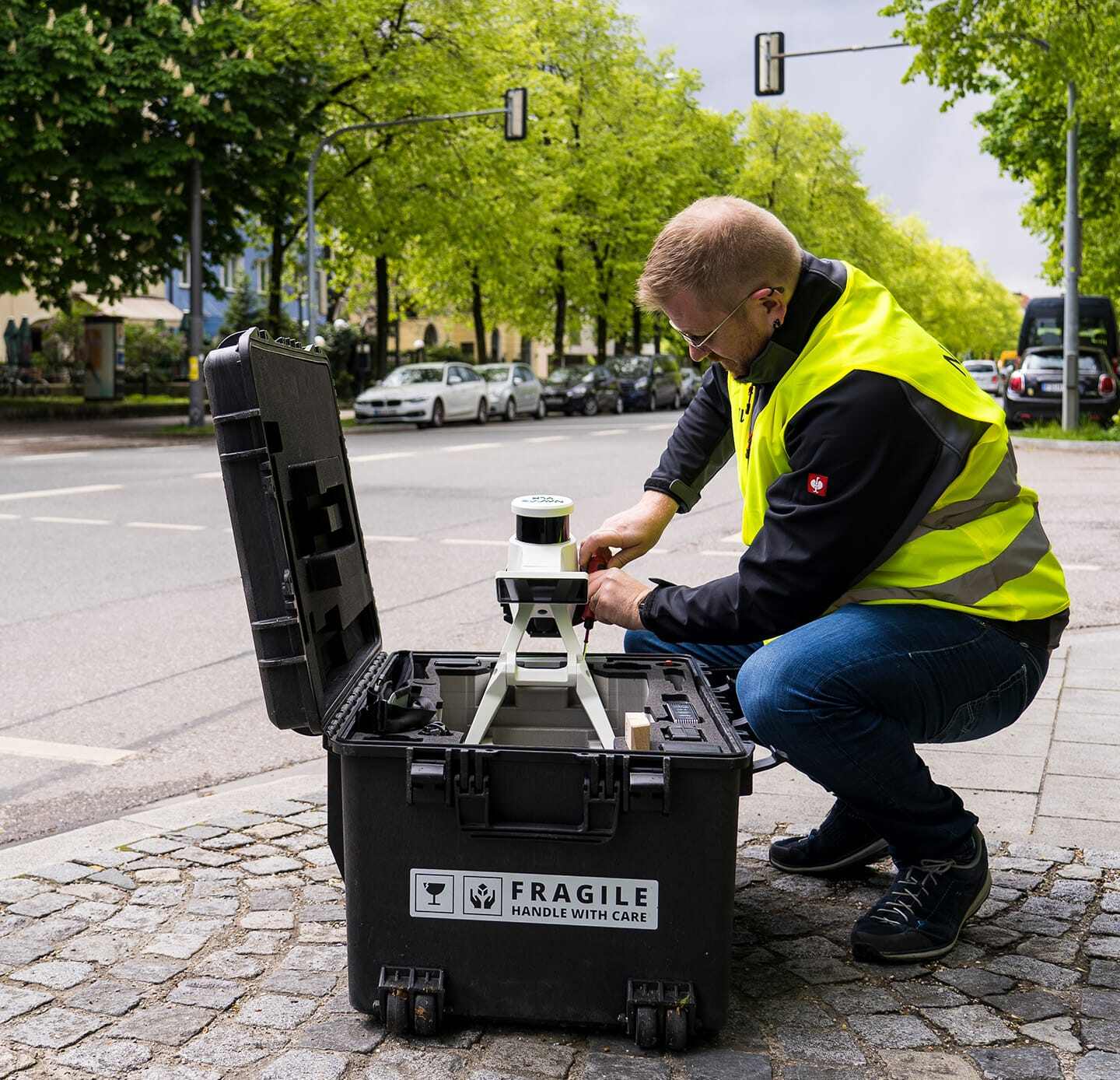
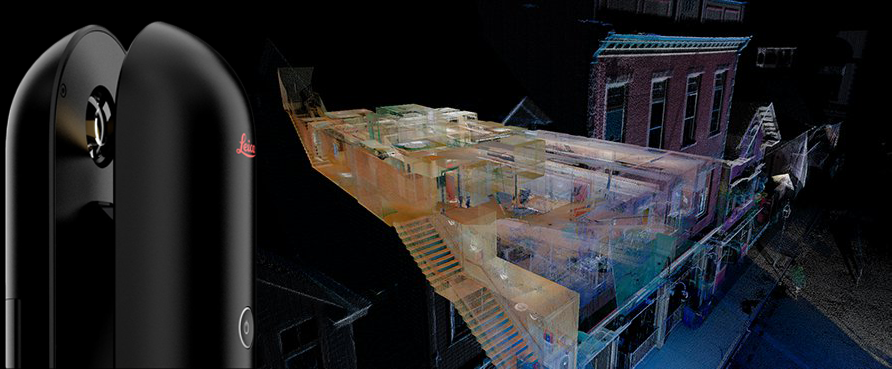
- 3D laser scanning services — Field crew, equipment, data capture
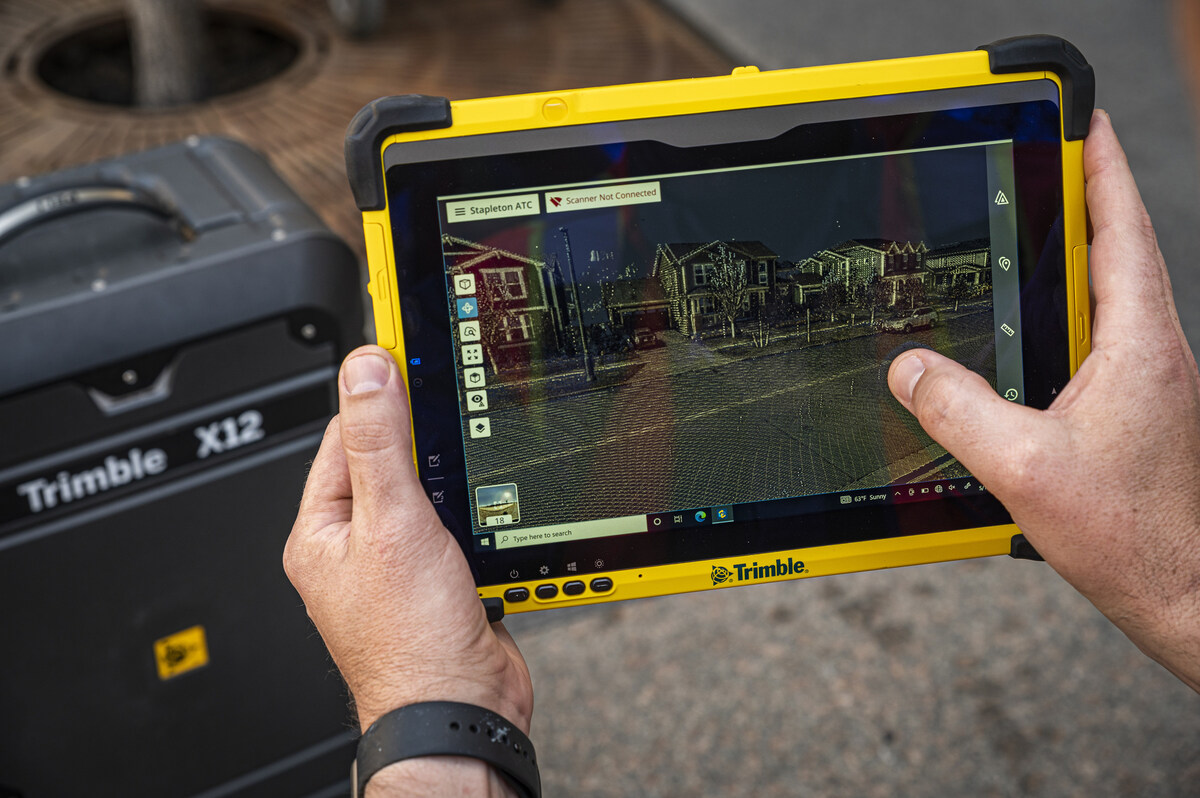
- Point cloud processing — Converting raw scan data into deliverable formats
- 2D PDF schematic floorplans (Matterport) — Visual layout reference from Matterport scans (non-critical use only)
- Emergency asset mapping — Overlaying AED, fire extinguisher, camera locations
- Matterport virtual tours — Where the grant covers visual documentation
- Travel and mobilization — Crew deployment to school sites
- Data delivery and archival — Providing files in multiple formats to multiple agencies
Expenses that typically do not qualify include ongoing software subscriptions, hardware purchases, and general facility improvements.
Frequently Asked Questions
Can federal grants pay for school 3D scanning?
No. Federal programs (STOP School Violence, COPS SVPP) fund training, threat assessment, and prevention — not physical documentation or mapping. School safety mapping is funded exclusively at the state level through dedicated mapping grants and safety allocations.
Which state offers the most funding per school?
Georgia offers the most per-school funding at $61,000 per school through HB 268 (FY 2026). This amount fully covers the cost of 3D scanning plus Matterport tours for virtually any school building.
What if my state has no mapping grant?
If your state does not have a dedicated mapping grant, schools can fund scanning through: general school safety budgets, bond measures, PTA/PTO fundraising, corporate sponsorships, or insurance-recommended safety improvements. The dual-purpose argument (safety + marketing) can help justify the investment from general operating budgets.
How long does the grant application process take?
Timelines vary by state. Texas SAFE Grant cycles align with legislative sessions. Georgia HB 268 funding is available through FY 2026. Minnesota’s program expires June 2026. Schools should check their state DOE for current application windows and plan procurement accordingly.
Can private schools access these grants?
Several programs explicitly include private schools: Wisconsin (Act 109), New Jersey (SB 2426 covers nonpublic schools), Indiana (HB 1492 covers accredited private schools), and Kentucky (SB 2). Check your state’s specific legislation.
All grant amounts and program details verified as of 2026 from official state sources, CRG Plans state funding database, and Datamark GIS analysis. Grant availability and amounts may change with legislative sessions. Contact your state’s department of education for current application windows. Check our compliance checker for your state’s requirements.
Ready to Start Your Project?
Get a free quote and consultation from our 3D scanning experts.
Get Your Free Quote