Construction site monitoring is the single most compelling use case for dock-based drone operations in Europe. A permanently installed dock on a multi-year construction project eliminates the cost and scheduling complexity of piloted flights while delivering daily progress data that was previously impossible to obtain consistently.
Why Construction Sites Are Ideal for Dock Deployment
Construction projects share characteristics that make them perfectly suited for automated drone monitoring:
- Fixed location for months or years — justifying dock installation investment
- Daily changes requiring frequent documentation
- Large footprints (10-200+ hectares) with complex logistics that make ground-level monitoring inefficient
- Multiple stakeholders requiring shared visual progress data
- Regulatory documentation requirements for planning compliance and safety records
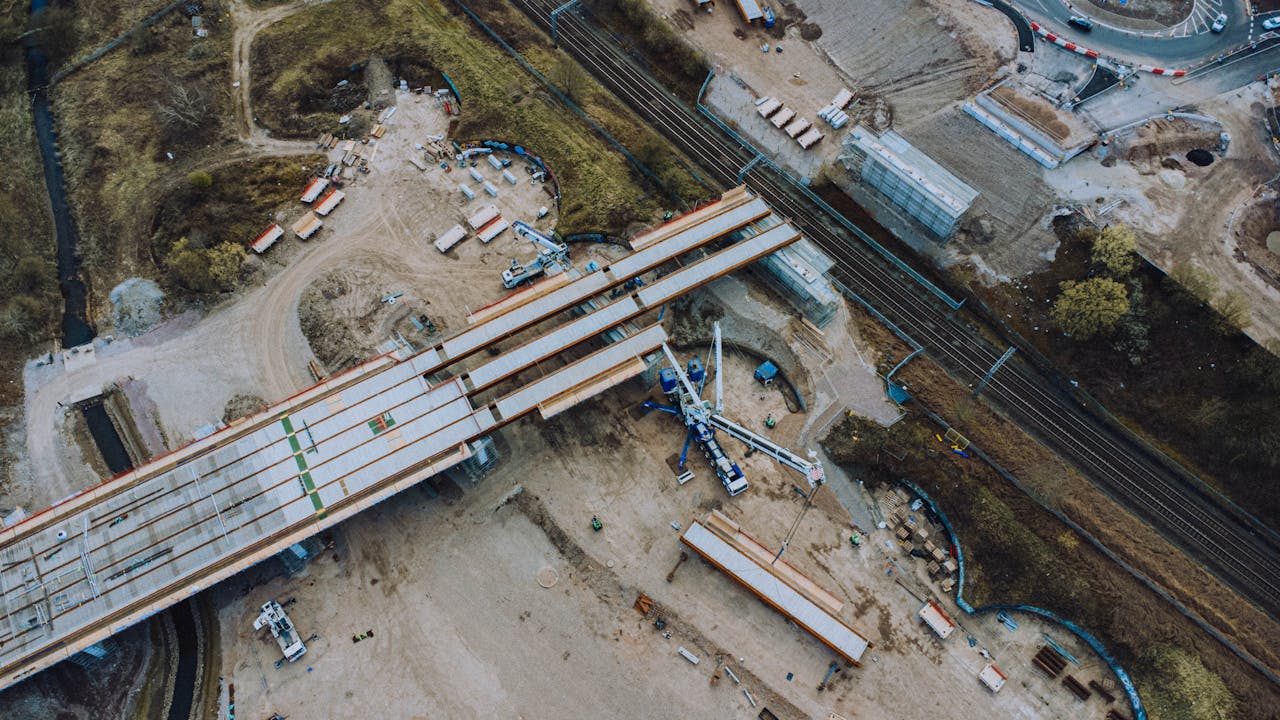
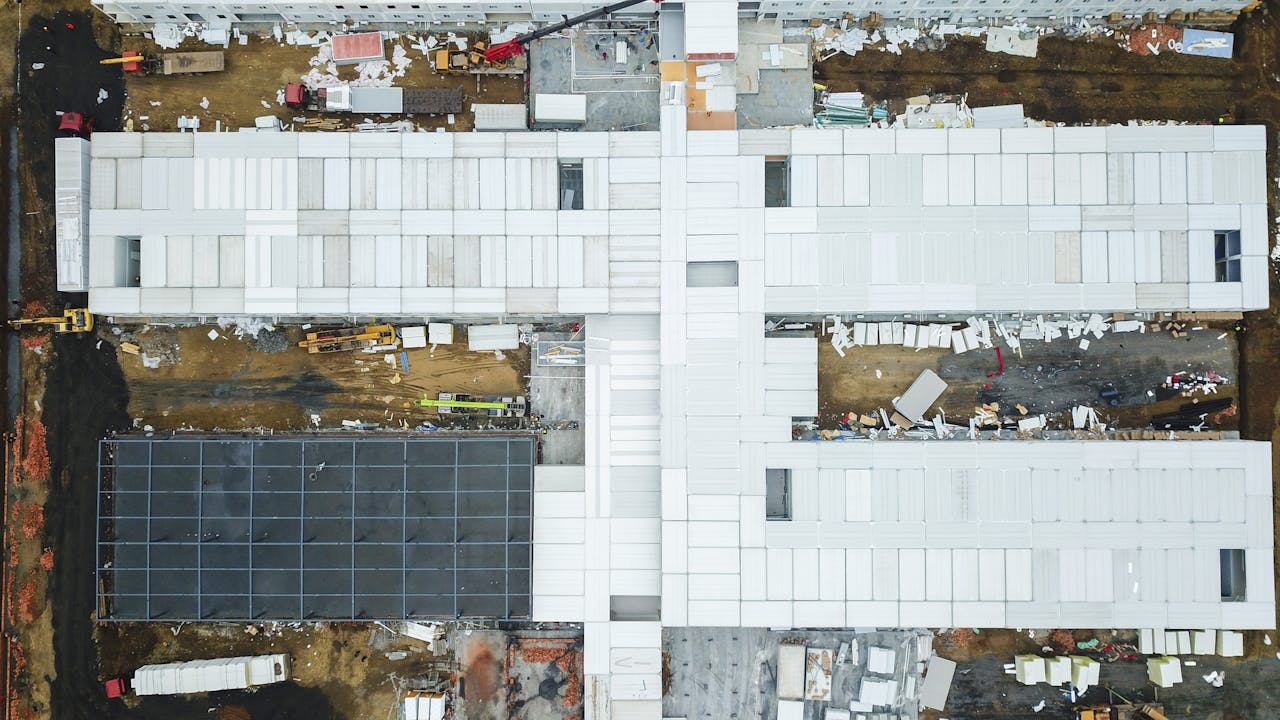
A dock installed at the site perimeter can fly identical missions every day — same flight path, same altitude, same camera settings — producing directly comparable datasets that reveal progress, delays, material movements, and safety compliance issues automatically.
What Dock-Based Monitoring Delivers
Daily Orthomosaic Maps
Each flight captures thousands of overlapping images that are processed into a high-resolution aerial map of the entire site. Comparing daily orthomosaics reveals exactly where work occurred, where materials were delivered, and where activities have stalled.
Volumetric Analysis
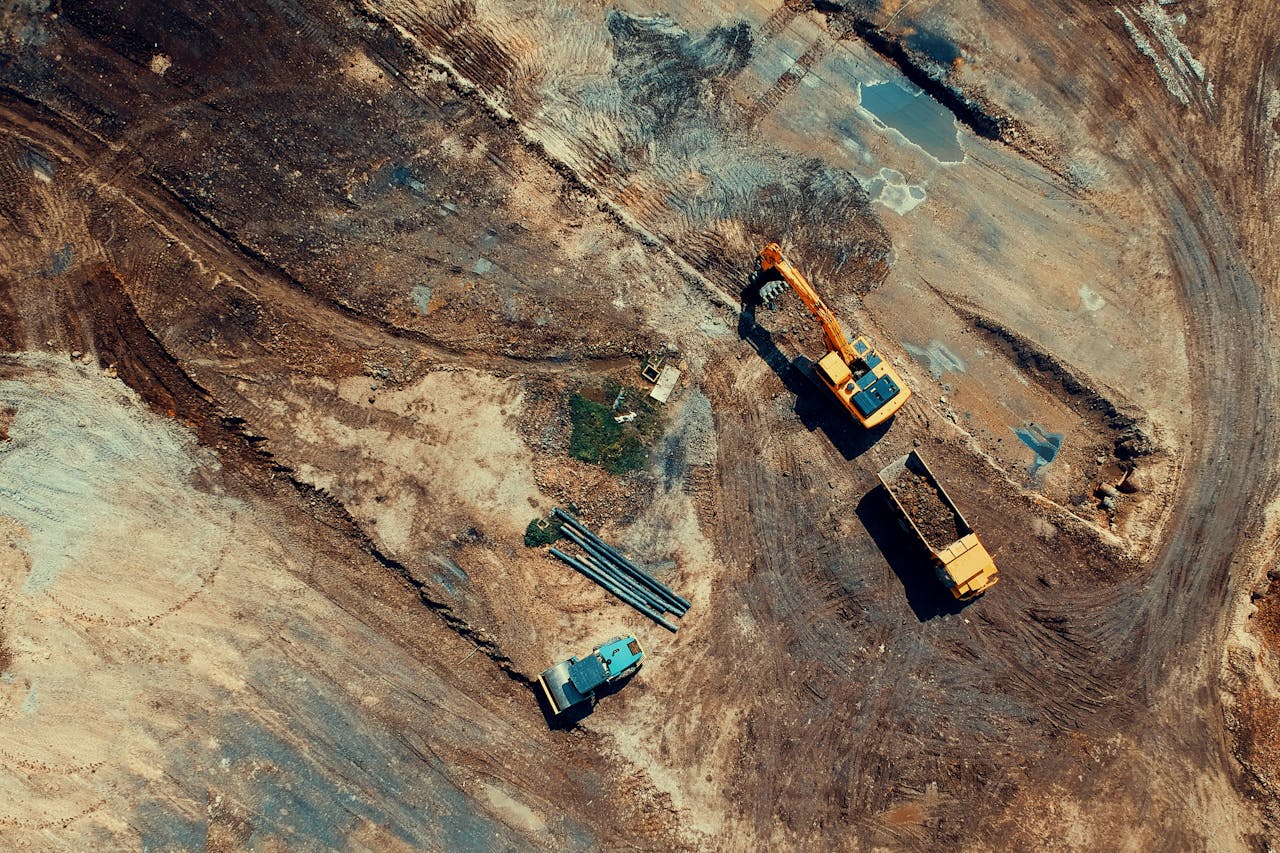
Regular LiDAR or photogrammetry flights calculate stockpile volumes, cut-and-fill progress, and earthwork quantities. Automated flights ensure measurements are taken at consistent intervals, eliminating the data gaps that occur when piloted flights are weather-cancelled or rescheduled.
Progress Timelapses
Identical flight paths day after day produce compelling visual timelapses of construction progress. These are valuable for stakeholder reporting, planning review submissions, and marketing documentation.
Safety Documentation
Aerial imagery documents site conditions, safety equipment placement, exclusion zone compliance, and worker activity patterns. In the event of an incident, time-stamped aerial documentation provides objective evidence of site conditions.
Thermal Inspection
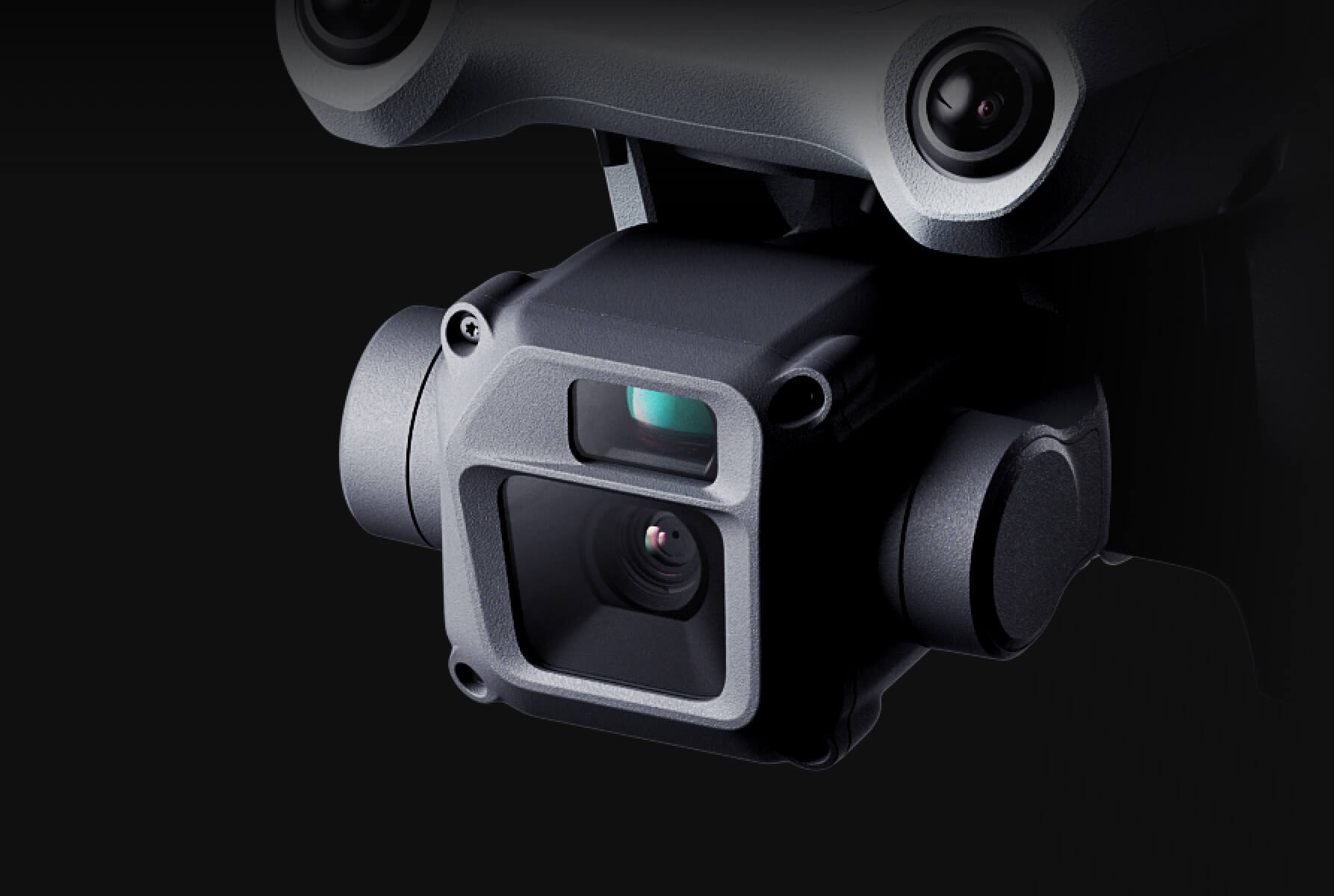
Using a thermal-equipped drone (Matrice 4TD with the Dock 3, or Matrice 3TD with the Dock 2), automated flights can detect moisture infiltration in concrete, thermal bridging in building envelopes, and equipment hotspots — all without scheduling a separate thermal survey team.
European Construction Projects Using Dock Monitoring
Dock-based drone monitoring is particularly active across European mega-projects:
- HS2 (United Kingdom) — Europe’s largest infrastructure project, using automated drones for progress tracking across hundreds of kilometres of rail construction
- Grand Paris Express (France) — Metro expansion project deploying dock-based monitoring for tunnel portal construction and station excavation sites
- EU TEN-T Network — Trans-European transport network projects increasingly specifying drone monitoring in procurement requirements
- Offshore Wind Construction — North Sea wind farm installations using dock-equipped vessels for turbine foundation monitoring
Deployment Considerations
Dock Placement
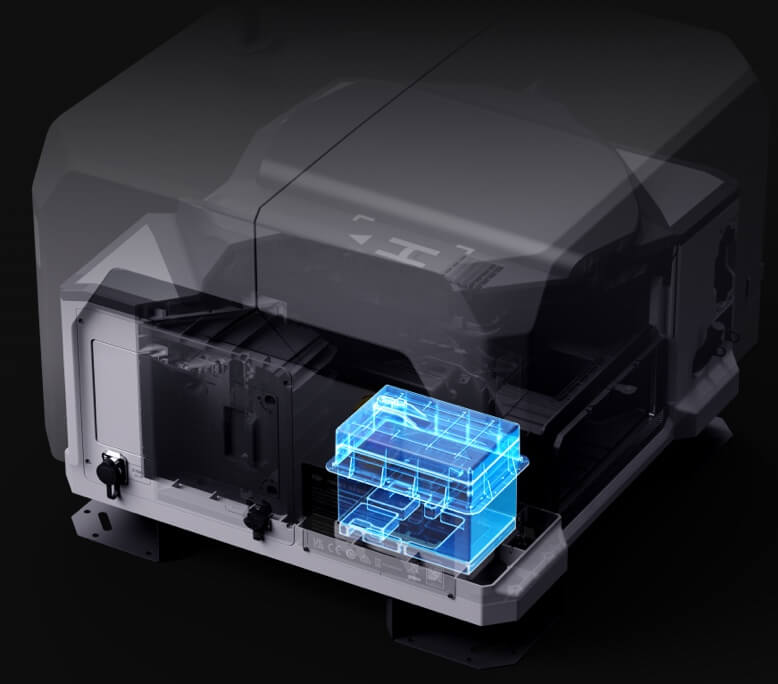
Position the dock at the site perimeter with clear line-of-sight to the primary work areas. The dock needs:
- Power supply — 220-240V single-phase (most European construction sites have temporary power)
- Network connectivity — 4G/5G or site WiFi with minimum 10 Mbps upload
- Clear approach/departure paths — no overhead cranes or scaffolding in the immediate vicinity
- Secure mounting — concrete pad, weighted base plate, or scaffold-mounted platform
Recommended Configuration
For most European construction sites of 10-200 hectares:
- DJI Dock 3 with Matrice 4D for primary RGB mapping and volumetric analysis
- Dock 3 with Matrice 4TD if thermal inspection is also needed
- DJI Dock 2 as a portable secondary dock for temporary extensions or multi-phase sites
For a personalised recommendation, use our Dock Deployment Planner.
EASA Compliance
Construction site dock operations require EASA Specific Category authorization via SORA. The relatively controlled environment of a construction site (restricted access, known population density, professional site management) typically results in lower risk classifications and faster approvals. THE FUTURE 3D handles the complete SORA process as part of deployment services.
Getting Started
THE FUTURE 3D deploys dock-based monitoring systems on construction sites across Europe. We provide site assessment, SORA compliance, hardware installation (DJI docks or our proprietary system at a lower deployment cost), flight path programming, and ongoing data management.
Calculate your monitoring savings with our ROI Calculator or request a deployment quote.
Ready to Start Your Project?
Get a free quote and consultation from our 3D scanning experts.
Get Your Free Quote