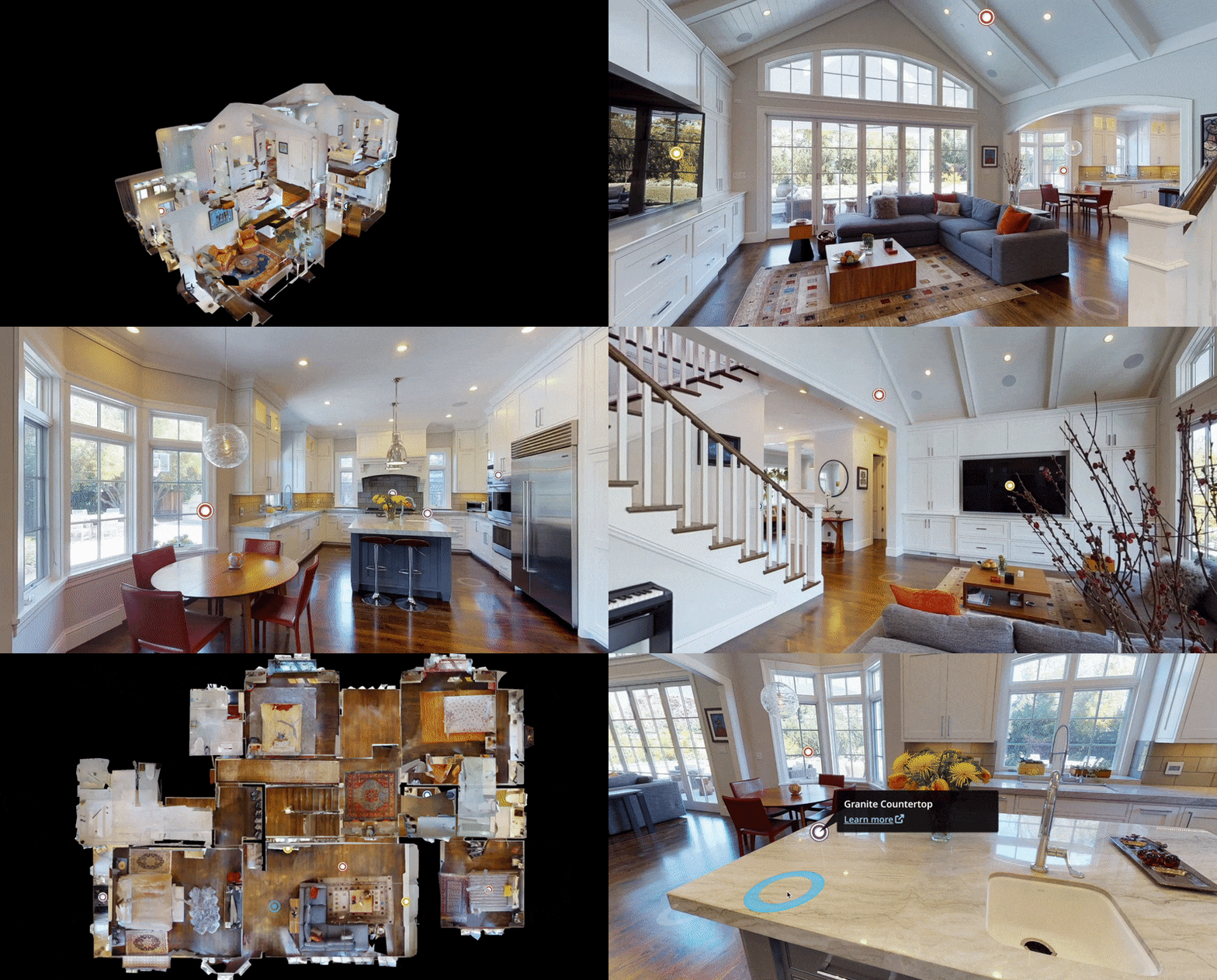
When most people hear “virtual tour,” they think of real estate listings. That is understandable — real estate was the first major market for Matterport and similar 3D tour platforms. But in 2026, some of the most valuable and fastest-growing applications for 3D virtual tours have nothing to do with selling houses.
These five industries are using 3D virtual tours to solve operational problems, reduce costs, improve safety, and create better experiences. If you are considering virtual tour technology for your business, or looking to expand a virtual tour business beyond real estate, these are the markets to watch.
1. Insurance and Claims Documentation
The Problem
Insurance companies process millions of claims annually. Traditional documentation relies on 2D photos, written descriptions, and in-person inspections. This approach is slow, subjective, and creates gaps that lead to disputes.
How Virtual Tours Help
Pre-Loss Documentation: The highest-value insurance application is capturing a 3D virtual tour of a property before any damage occurs. This creates a comprehensive, timestamped, interactive record of the property’s condition that includes:
- Every room from multiple angles
- Fixtures, finishes, and installed equipment
- Structural elements visible from interior
- Personal property and contents (for homeowners insurance)
When a claim occurs, the insurance carrier and policyholder have an objective baseline to compare against, dramatically reducing disputes about pre-existing conditions.
Claims Assessment: After an event (fire, flood, storm damage), a 3D scan of the damaged property captures the full extent of damage in an immersive format. Adjusters can remotely review the damage, measure affected areas, and plan the claims response before dispatching field inspectors.
Restoration Verification: After repairs are completed, a follow-up scan documents the restored condition, providing a complete before-during-after documentation chain.
Industry Momentum
iGUIDE’s partnership with Verisk (the platform behind Xactware, used by most US insurance carriers) has accelerated adoption of floor-plan-accurate virtual tours in insurance workflows. Matterport is also expanding its insurance-focused features.
For insurance applications, the ROI comes from faster claims processing, reduced dispute rates, and improved fraud detection. See our full ROI analysis for specific numbers.
2. Construction and AEC (Architecture, Engineering, Construction)
The Problem
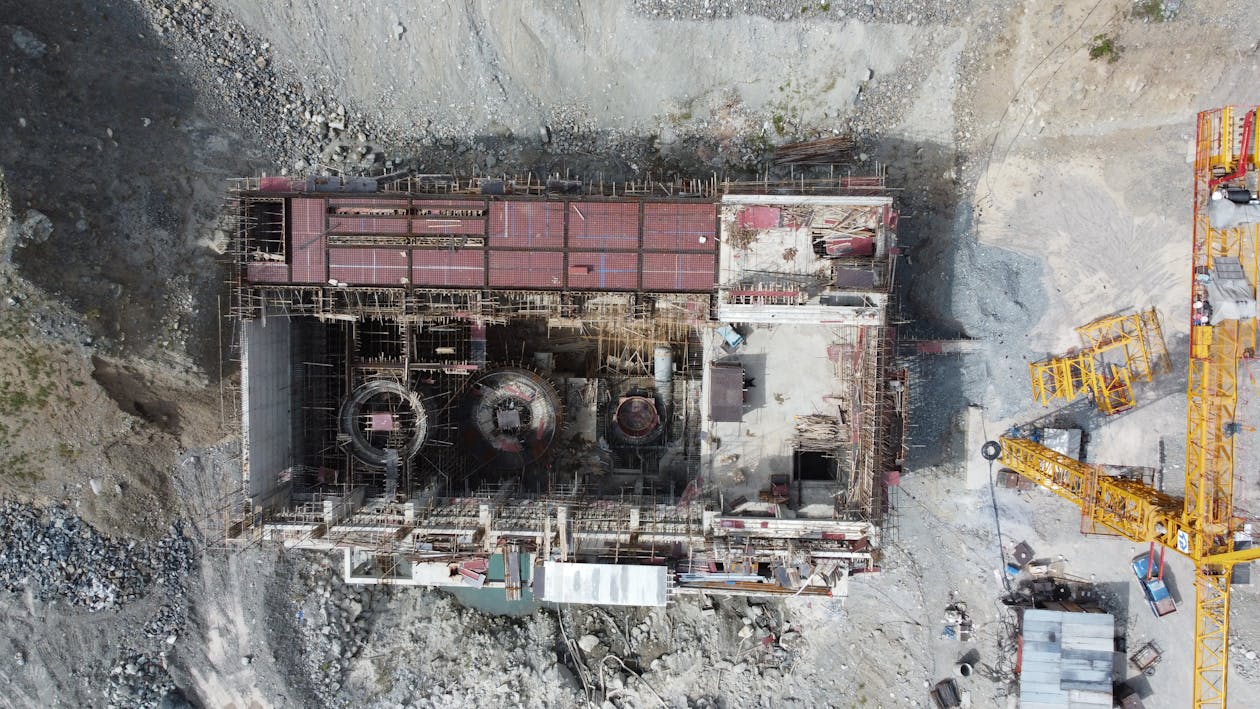
Construction projects involve dozens of stakeholders who need to understand what is happening on-site: architects, engineers, general contractors, subcontractors, project owners, inspectors, and lenders. Physical site visits are expensive, time-consuming, and limited to business hours.
How Virtual Tours Help
Progress Documentation: Regular 3D scans of construction sites (weekly or bi-weekly) create a time-series record of progress. Stakeholders can remotely review:
- Current state of construction at any point in time
- Comparison between actual conditions and design intent
- MEP (mechanical, electrical, plumbing) rough-in before walls are closed
- Concrete pours, framing, and structural elements before they are covered
As-Built Documentation: Before renovations or tenant improvements, 3D scans capture the existing conditions of a building. This is used by architects and engineers as a baseline for design work.
Dispute Resolution: Timestamped 3D documentation provides objective evidence in construction disputes. When a disagreement arises about when work was completed, what conditions existed at a given date, or whether work meets specifications, the 3D record provides clarity.
Remote Monitoring: Project owners who cannot visit the site regularly use virtual tours to stay informed. This is particularly valuable for:
- Owners managing multiple simultaneous projects
- International stakeholders
- Lenders monitoring construction loan milestones
Beyond Matterport: Professional Scanning for AEC
While Matterport tours are valuable for visual documentation and progress tracking, AEC projects often require higher accuracy than Matterport provides. At THE FUTURE 3D, we use professional 3D laser scanners like the Trimble X12 (3D point accuracy 2.2 mm @ 20 m) for engineering-grade documentation, and Matterport Pro3 for visual progress tours. The two technologies serve complementary purposes.

3. Hospitality (Hotels, Resorts, and Venues)
The Problem
Hospitality is fundamentally about the guest experience — but guests cannot experience a hotel room, event space, or resort until they arrive. Photos help, but they are flat, limited in perspective, and often misleading about the actual size and feel of spaces.
How Virtual Tours Help
Room and Suite Marketing: Hotels use 3D tours to showcase every room type, from standard rooms to presidential suites. Guests can virtually walk through the room, check the bathroom, look at the view from the window, and assess the space before booking. This builds confidence and reduces complaints from guests who expected something different.
Event and Meeting Space Sales: Event planners need to understand the exact dimensions, layout, and feel of event spaces. A virtual tour allows planners to:
- Walk through the space and assess sight lines
- Understand traffic flow and access points
- Present venue options to their clients without multiple site visits
- Plan seating layouts based on accurate spatial understanding
Property-Wide Tours: Resorts and large properties use comprehensive virtual tours that cover lobby, pools, restaurants, fitness centers, spa facilities, and grounds. This gives prospective guests a complete picture of the property experience.
Wedding and Social Event Venues: Destination wedding venues especially benefit from virtual tours, as couples often cannot visit before booking. A virtual tour provides the confidence needed to commit to a venue sight unseen.
ROI in Hospitality
Hospitality sees some of the strongest virtual tour ROI across any industry. Properties report up to 300% more engagement on listings with 3D tours and booking conversion improvements of up to 12%. For a detailed analysis, see our virtual tour ROI data.

4. Museums, Cultural Heritage, and Historical Sites
The Problem
Museums, heritage sites, and cultural institutions want to make their collections and spaces accessible to the widest possible audience. Physical visits are limited by geography, mobility, and operating hours.
How Virtual Tours Help
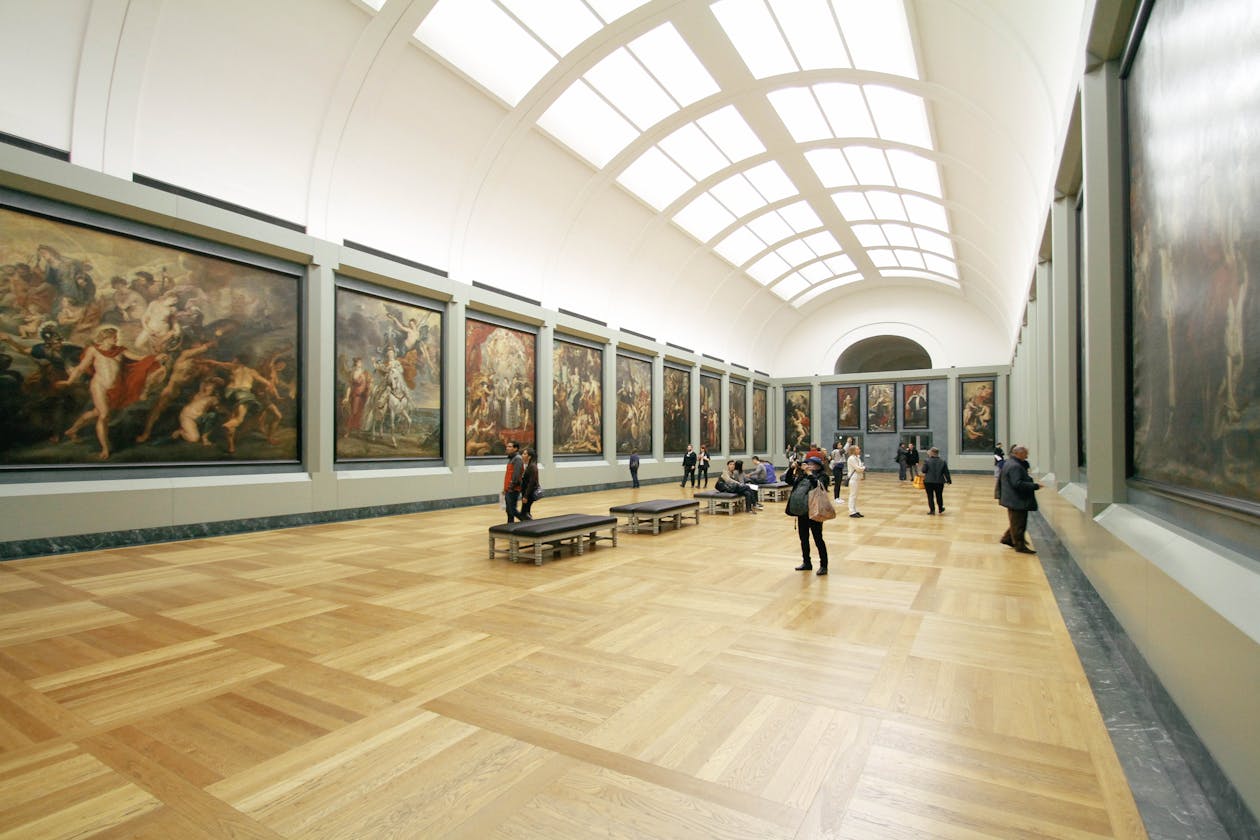
Virtual Access to Collections: 3D tours allow anyone in the world to walk through museum galleries, view art installations, and explore exhibits. This serves:
- Students and researchers who cannot visit in person
- Elderly and mobility-limited visitors who want to preview accessibility
- International audiences who may never travel to the physical location
- Anyone wanting to revisit an exhibition after it closes
Heritage Documentation: For historical sites, 3D scanning creates a comprehensive digital record that serves preservation, research, and public education purposes. THE FUTURE 3D has the capability and equipment to scan sites ranging from small historic homes to large heritage complexes. Our Matterport Pro3, combined with professional laser scanners and drone photogrammetry, can document virtually any site.
Exhibition Planning: Curators and exhibition designers use virtual tours of gallery spaces to plan installations remotely. This is particularly useful for traveling exhibitions that must adapt to different venue configurations.
Grant and Fundraising Support: Virtual tours provide compelling visual evidence for grant applications and fundraising campaigns. Donors and grant committees can explore the spaces and collections they are being asked to support.
Unique Challenges in Heritage Scanning
Heritage sites often present scanning challenges that generic virtual tour providers struggle with:
- Fragile environments where equipment must be placed carefully
- Low-light interiors (churches, tombs, caves) requiring specialized lighting
- Large exterior spaces requiring drone photogrammetry
- Mixed indoor-outdoor environments with dramatic lighting changes
These challenges are exactly where professional service providers with diverse equipment capabilities add value over DIY approaches.
Looking for school virtual tours? See our comprehensive Schools & Campuses Hub — covering K-12, universities, charter schools, and more. We are an NYC DOE Approved Vendor (#THE770638).
5. Manufacturing and Industrial Facilities
The Problem
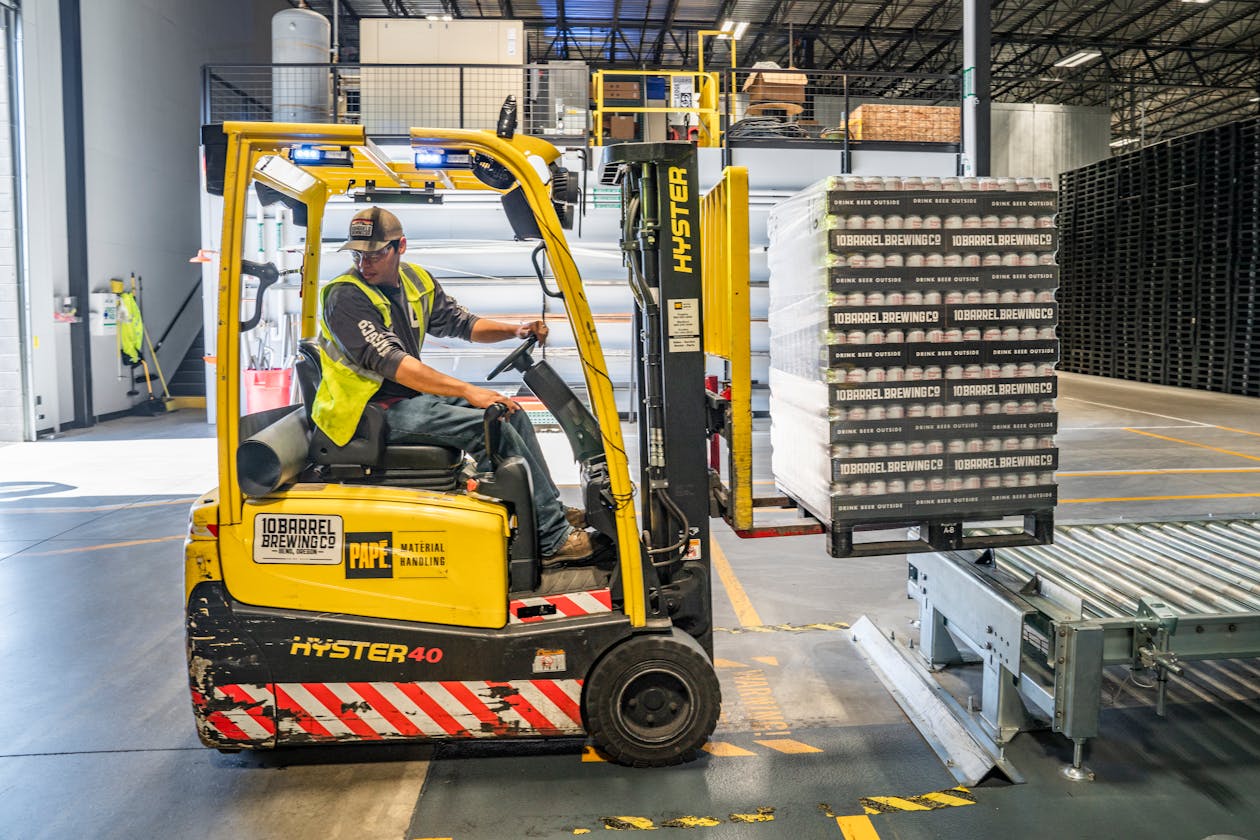
Manufacturing plants, warehouses, and industrial facilities are complex environments that require documentation for safety, maintenance, and operational planning. Traditional documentation methods (2D drawings, photos) cannot capture the three-dimensional complexity of these spaces.
How Virtual Tours Help
Facility Digital Twins: A 3D virtual tour of a manufacturing facility creates a navigable digital twin that can be used for:
- Remote facility orientation for new employees
- Maintenance planning (locating equipment, planning access routes)
- Safety training (identifying hazard zones, emergency routes)
- Regulatory compliance documentation
Equipment Documentation: Virtual tours can document the installation and condition of major equipment. This is valuable for:
- Maintenance records
- Insurance documentation
- Equipment audits
- Planning equipment replacement or relocation
Space Planning: When facilities need to reconfigure production lines, add equipment, or optimize flow, a 3D scan provides the accurate spatial context needed for planning. Teams can measure distances, evaluate clearances, and simulate changes virtually before committing to physical modifications.
Remote Expert Consultation: When equipment problems arise, a virtual tour allows remote experts to “visit” the facility, understand the spatial context, and provide more informed guidance than phone calls or 2D photos allow.
Industrial Scanning Beyond Matterport
Large industrial facilities often exceed what Matterport alone can handle. Comprehensive industrial documentation typically requires:
- Matterport Pro3 for visual navigation and general documentation
- Professional laser scanners (Trimble X12, NavVis VLX3) for accurate spatial data and point cloud deliverables
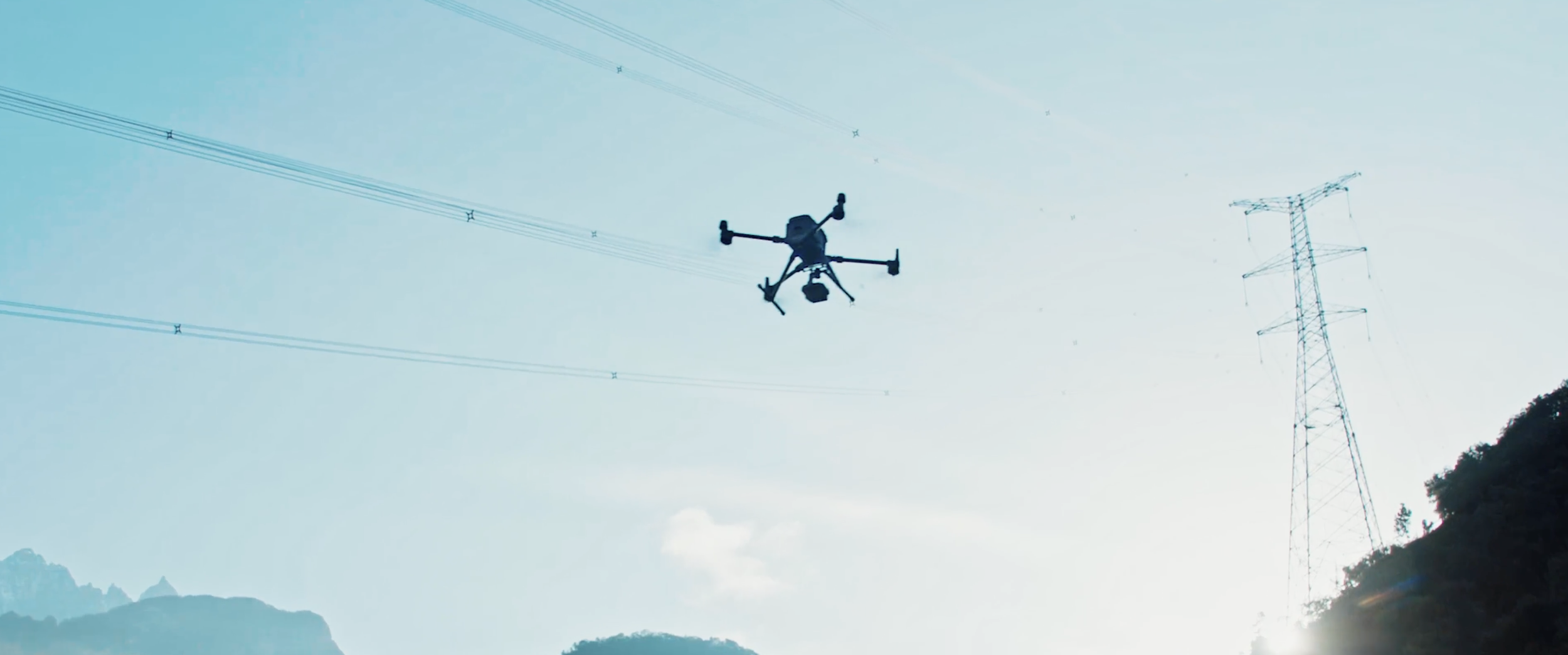
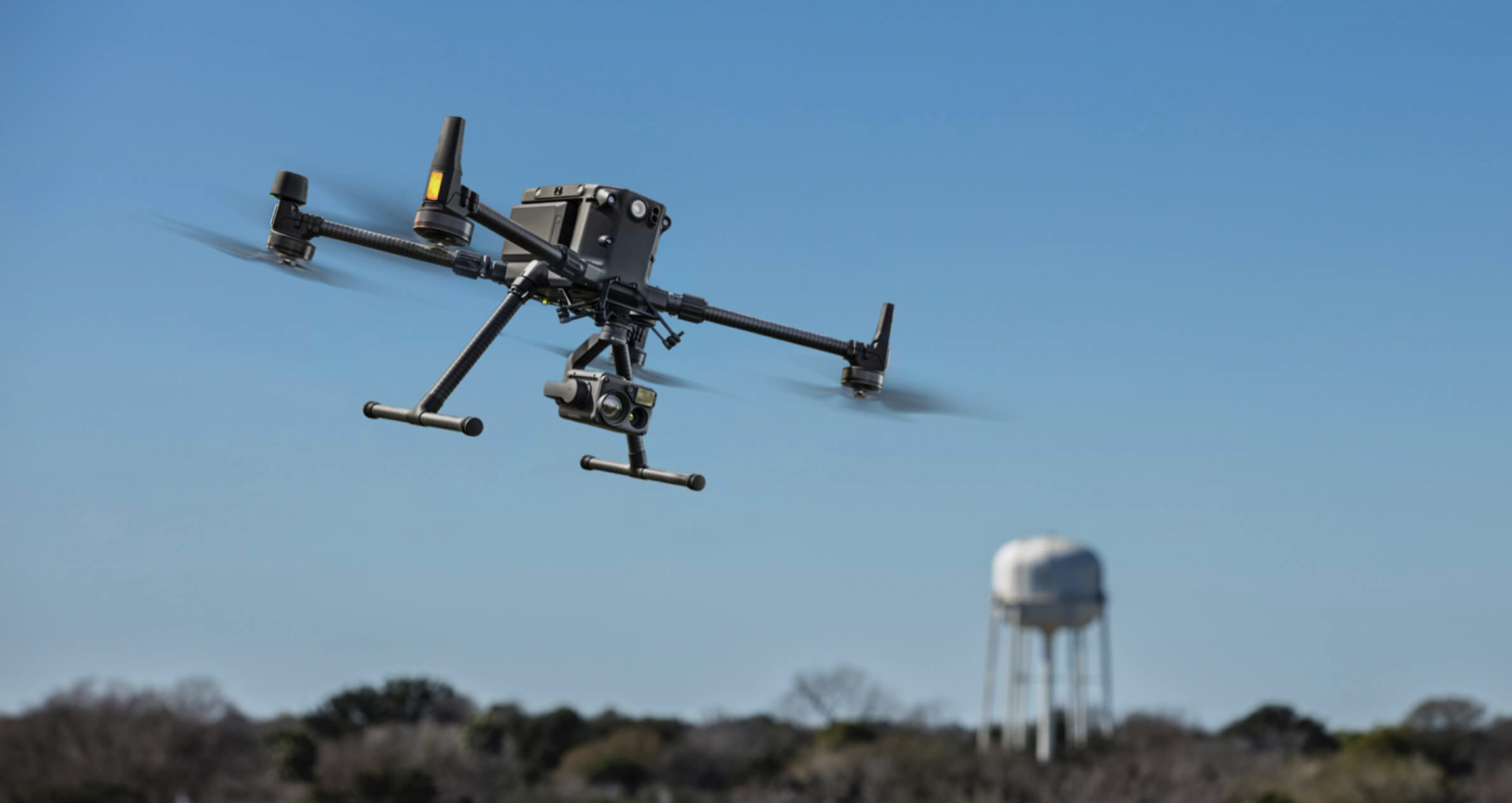
- Drone photogrammetry for overhead views of large facilities
- Thermal imaging for equipment condition assessment
At THE FUTURE 3D, we combine all of these technologies to provide comprehensive industrial documentation packages.
Which Industries Are Growing Fastest?
Based on market trends heading into 2026:
| Industry | Growth Trajectory | Key Driver |
|---|---|---|
| Insurance | Rapid | Pre-loss documentation mandates |
| Construction/AEC | Strong | Remote monitoring demand |
| Hospitality | Steady | Post-pandemic booking confidence |
| Museums/Heritage | Moderate | Grant-funded digitization |
| Manufacturing | Emerging | Digital twin adoption |
Key Takeaways
-
Real estate is the most visible but not the most valuable virtual tour market. Commercial, industrial, and institutional applications often deliver higher per-project revenue and stronger client retention.
-
Insurance is the fastest-growing application, driven by the operational efficiencies of pre-loss documentation and the iGUIDE/Verisk integration.
-
Construction and AEC represent the highest per-project value, especially when combined with professional laser scanning for engineering-grade accuracy.
-
Hospitality delivers the most measurable marketing ROI, with documented booking conversion improvements up to 12%.
-
Heritage and museum applications are growing as institutions embrace digital access and documentation preservation.
-
Manufacturing is an emerging market with significant potential as digital twin concepts move from theory to practice.
-
Professional providers who serve multiple industries have a more resilient business than those dependent on residential real estate alone.
Ready to explore virtual tour applications for your industry? Contact THE FUTURE 3D for a consultation, or browse our industry-specific virtual tour services to see how we serve your sector.
Ready to Start Your Project?
Get a free quote and consultation from our 3D scanning experts.
Get Your Free Quote