Boarding School Virtual Tours for Global Families
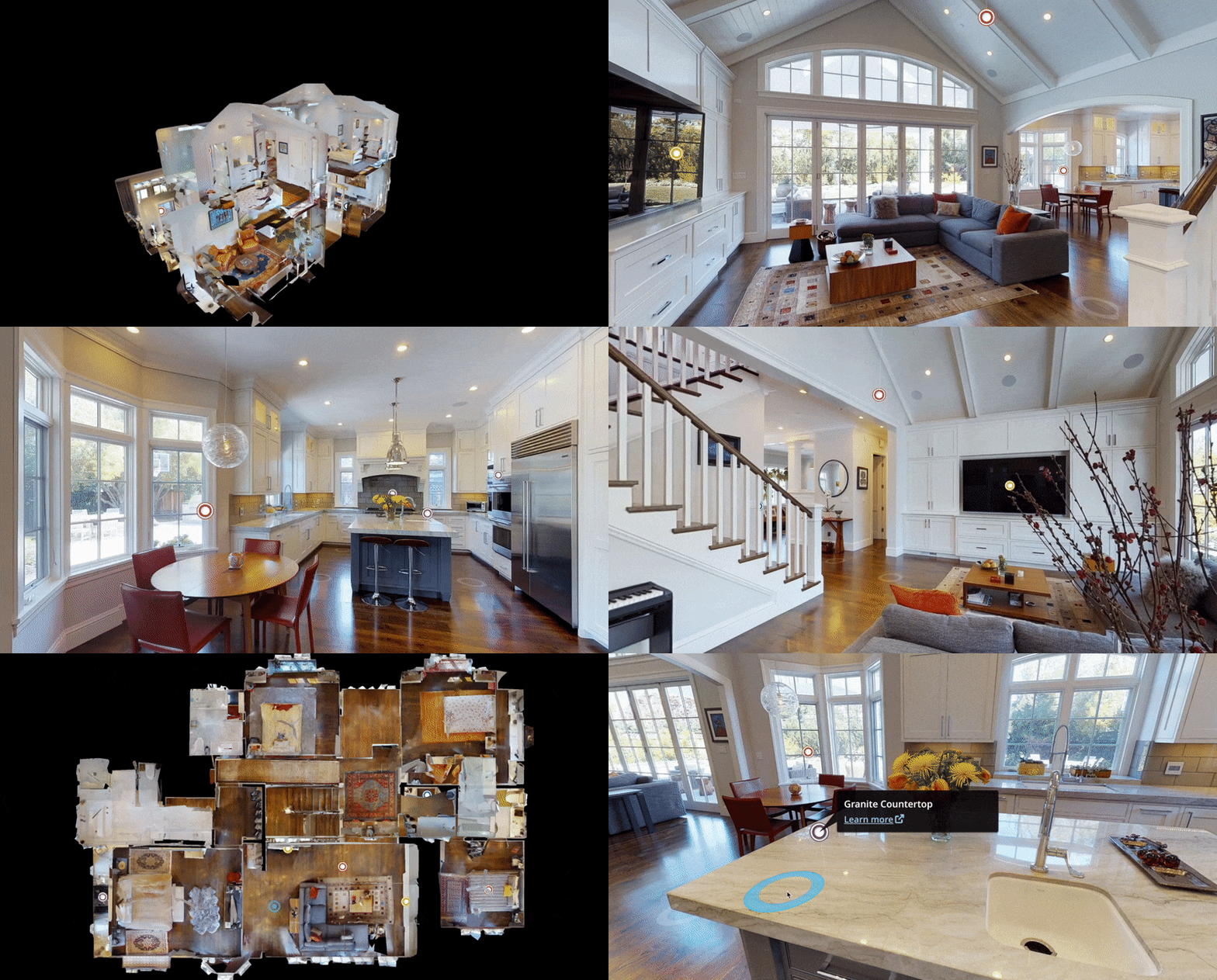
Boarding schools draw students from across the country and around the world. For many prospective families, a campus visit requires significant travel — flights, hotels, and time off work. A 3D virtual tour removes this barrier, allowing families to explore dormitories, dining halls, classrooms, and campus grounds from anywhere.
The Boarding School Enrollment Challenge
Boarding schools face a unique version of the enrollment challenge: their prospective families are geographically dispersed. A family in Shanghai, Dubai, or London cannot casually drop by for a campus tour. The decision to apply often hinges on what families can learn remotely.
A professional virtual tour provides the next best thing to being there — a photorealistic, immersive walkthrough of the spaces that matter most to boarding school families.
What Boarding School Families Want to See
Living Spaces
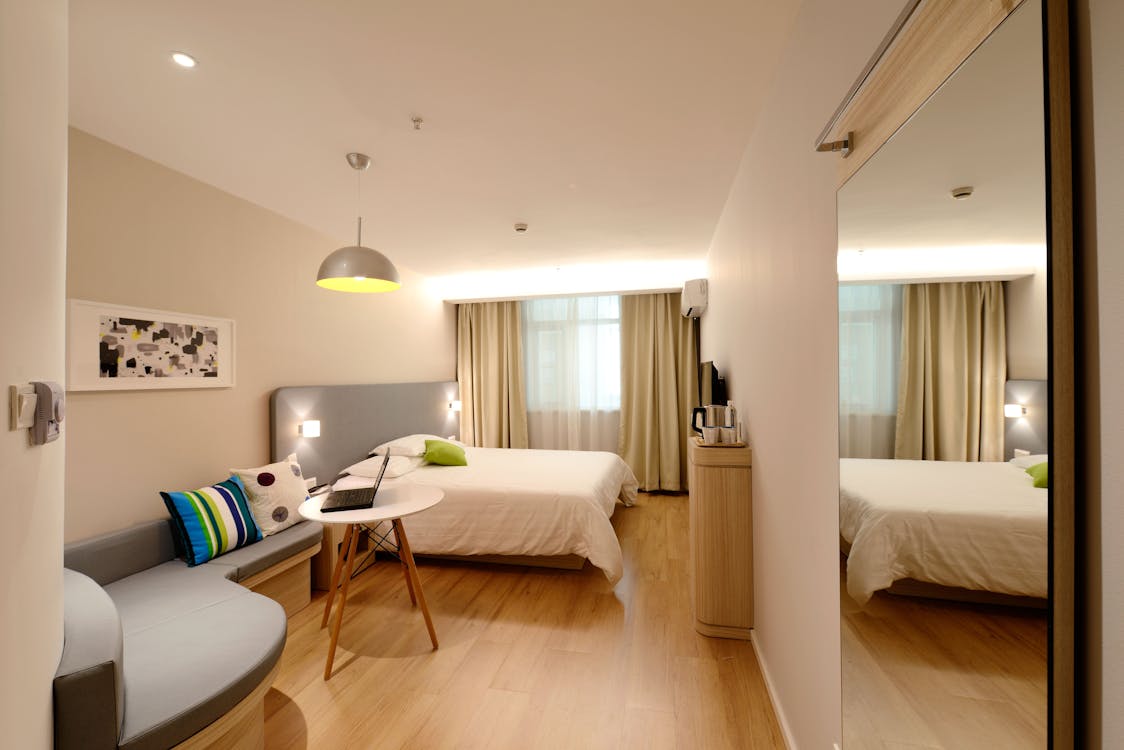
- Dormitory rooms (single, double, suite configurations)
- Common rooms and study lounges
- Bathroom and laundry facilities
- Residential advisor apartments (exterior and common areas)
Campus Life
- Dining halls and food service areas
- Athletic facilities and fields
- Student center and social spaces
- Outdoor campus grounds
Academic Facilities
- Classrooms and lecture halls
- Science labs, art studios, performing arts spaces
- Library and study areas
- Technology and maker spaces
How Virtual Tours Support International Recruitment
Overcome Geographic Barriers
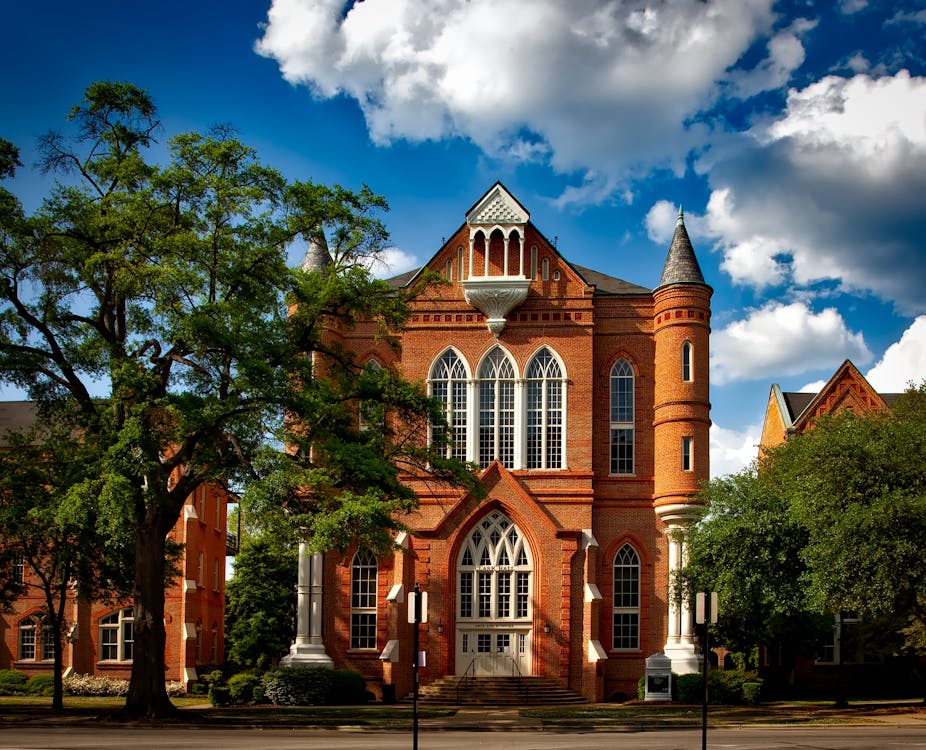
A family in Hong Kong can explore your New England campus at midnight their time. No flights, no jet lag, no hotel reservations — just a link and an internet connection.
Build Confidence in Facility Quality
International families making a $40,000-$70,000 annual investment in boarding school tuition need to feel confident about the living environment. A virtual tour provides visual proof that dormitories are well-maintained, dining facilities are quality, and the campus is well-kept.
Support Agent Networks
Boarding schools often work with international education consultants who recommend schools to families. A virtual tour gives agents a powerful tool to showcase your campus during consultations — far more effective than brochures or photos.
The virtual tour also gives agents material they can share between meetings. A consultant can email a family a link to your tour after a consultation, keeping your school top of mind while the family deliberates at home. This is especially valuable for families considering schools across multiple countries — your tour competes directly against tours from schools in the UK, Switzerland, and Australia.
Reduce Yield Melt
Families who have explored the campus virtually are less likely to experience “buyer’s remorse” after acceptance. The virtual tour aligns expectations with reality, reducing the chance of families withdrawing after committing.
Seasonal Enrollment Cycles
Boarding school admissions follow a well-defined calendar, and virtual tour timing matters. The peak admissions season runs from October through January for fall enrollment, with most application deadlines falling in January or February. Admissions offices are busiest during this window, fielding inquiries and hosting campus visits.
A virtual tour should be live and polished by September at the latest, before the admissions cycle begins in earnest. Schools that wait until mid-cycle to add a virtual tour miss weeks of prospective families who have already narrowed their shortlists. Early availability means your tour is in front of families during their initial research phase, while they are still building their shortlist.
Summer programs present another recruitment opportunity. Many boarding schools run academic enrichment, sports, or arts programs during June and July. These programs serve as a feeder for full-year enrollment — families whose children have a positive summer experience are much more likely to apply for the regular school year. A virtual tour helps recruit summer program participants, especially international families who may not visit the campus before the summer session begins.
Admissions events like open houses, accepted student days, and alumni weekends are natural touchpoints where virtual tours add value. Schools can send the tour link in advance of these events, letting families preview the campus before they arrive. This makes the in-person visit more productive — families already know the layout and can focus their questions on specific spaces they noticed in the tour.
Showcasing Accreditation and Academics
For international families investing significant tuition, accreditation and academic credentials are major decision factors. A virtual tour can highlight these credentials in context, embedded directly into the spaces where learning happens.
Schools accredited by TABS (The Association of Boarding Schools) or holding NAIS (National Association of Independent Schools) membership can display these credentials as information tags within the tour. A tag in the main entrance or administrative building might note the school’s TABS membership year and accreditation status.
For schools offering Advanced Placement (AP) or International Baccalaureate (IB) programs, the virtual tour becomes a way to showcase these offerings in the actual classrooms and labs where they are taught. An IB science lab can include a tag listing the IB subjects available. A language classroom can note the AP language courses offered. This approach is far more engaging than listing credentials on a web page — families see the credential in the physical context where their child would learn.
College counseling offices are another prime tagging opportunity. A tag might note the number of college counselors on staff, the average number of colleges students are accepted to, or the range of universities where recent graduates have enrolled. These data points, presented in the actual space, carry more weight than the same information on a brochure.
Day-in-the-Life Tour Format
One of the most effective virtual tour formats for boarding schools follows a typical student’s day from morning to night. Rather than presenting spaces in a random or building-by-building order, this narrative structure walks families through the daily routine their child would experience.
The tour begins in the dormitory — a student waking up in their room, the shared bathroom down the hall, the common room where students gather before heading out. Next comes the dining hall, showing the breakfast setup, food stations, and seating areas. Families see exactly where and what their child would eat each morning.
From breakfast, the tour moves to academic buildings — a first-period classroom, then perhaps a science lab for second period, an art studio for an elective. Each space includes context: class sizes, what subjects are taught in that room, notable features of the facility.
The afternoon portion covers athletics and extracurriculars — the gymnasium, playing fields, pool, theater, music rooms. Families see the range of activities available and the quality of the facilities. An evening sequence shows study halls, tutoring centers, and library spaces where students complete homework. The tour concludes back at the dormitory — the common room during evening free time, and the room where the student ends their day.
This format resonates powerfully with families because it answers the question every parent asks: “What will my child’s day actually look like?” Instead of imagining, they can see it. For international families who may never visit before enrollment, this narrative structure provides the closest experience to spending a day on campus.
Getting Started
A boarding school virtual tour covers selected spaces across dormitories, academic buildings, and campus facilities rather than every room on campus.
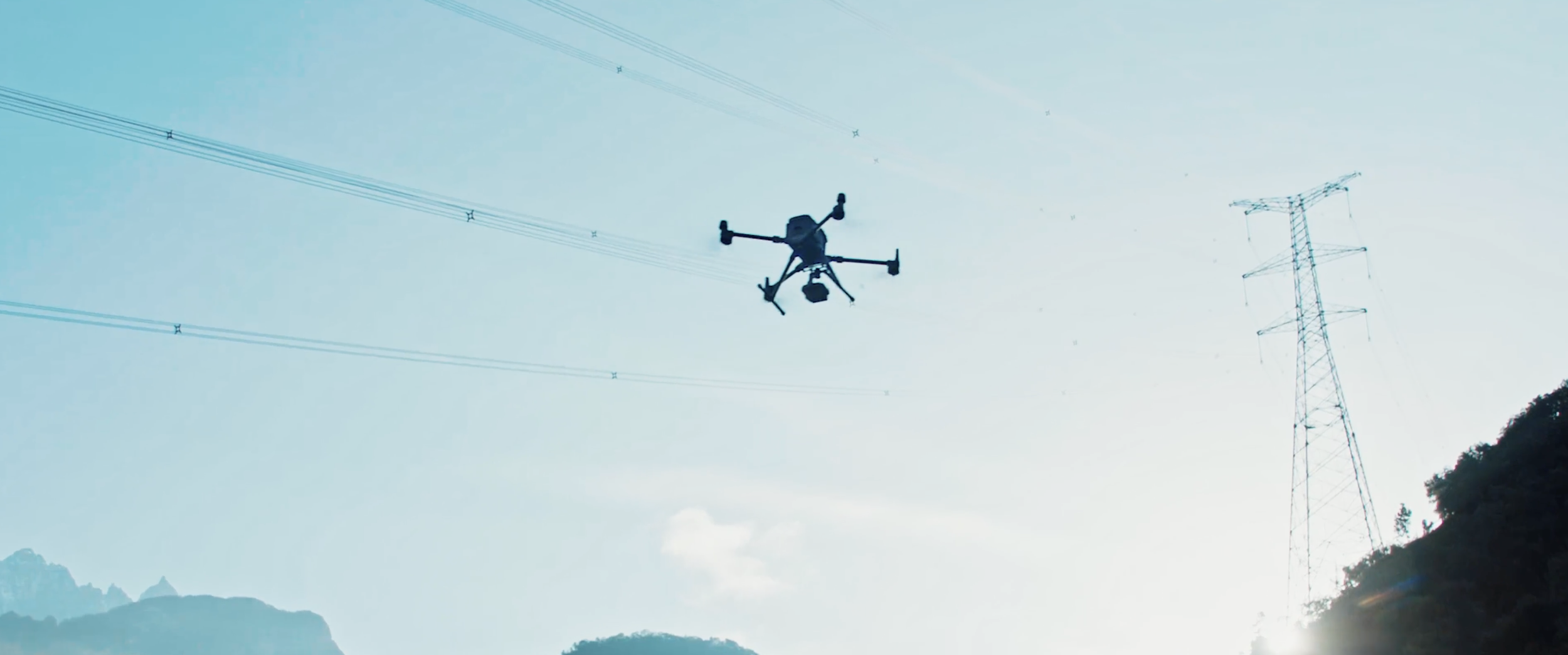
A boarding school campus tour typically ranges from $2,000-$5,000+ depending on the number of buildings and campus size. Each building is scanned individually and linked together for a seamless campus experience. Aerial drone campus footage is quoted separately. Matterport hosting is $20/month per tour.
Tours can be refreshed before admissions season opens. If you renovate a wing or upgrade a facility, we rescan just those areas and update the existing tour — a full campus rescan is not required for every change.
Learn more at our Boarding Schools page or request a quote.
Related resources:
Ready to Start Your Project?
Get a free quote and consultation from our 3D scanning experts.
Get Your Free Quote