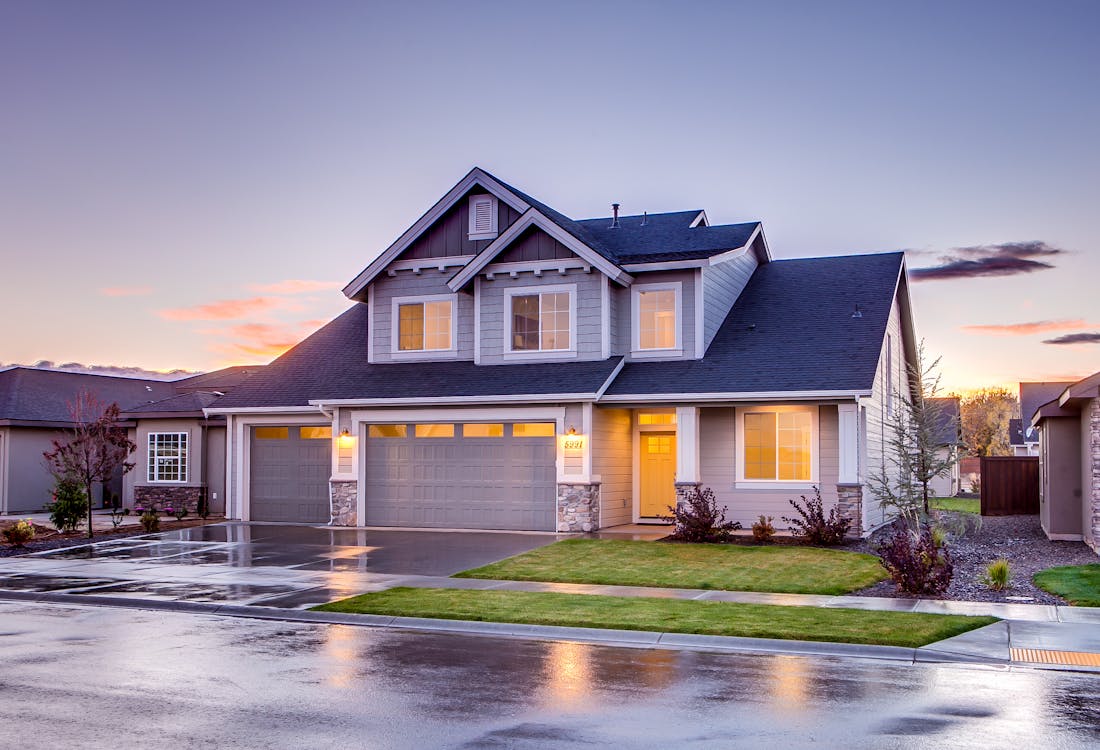
Most 3D scanning conversations focus on large commercial projects, industrial facilities, and infrastructure — the kinds of projects where spending $20,000 or more on scanning is an obvious decision. But the question we hear most often from residential architects, homeowners, and small-scale renovation contractors is much simpler: does 3D laser scanning make financial sense for a house?
The honest answer is: sometimes yes, sometimes no, and the difference comes down to a handful of very specific factors. This guide walks through each one so you can make an informed decision rather than guessing.
What Residential 3D Scanning Actually Costs
For small residential projects, 3D laser scanning typically costs between $2,000 and $6,000. That range covers the complete service: mobilization, field scanning, data registration, and delivery of clean point cloud data in your specified format.
Here is how that breaks down by project scope:
| Project Type | Typical Size | Cost Range |
|---|---|---|
| Single room or small addition | 200-800 sqft | $1,000 - $2,000 |
| Apartment or condo unit | 800-2,000 sqft | $1,500 - $3,000 |
| Single-family home (interior only) | 1,500-3,000 sqft | $2,000 - $4,000 |
| Single-family home (interior + exterior) | 1,500-3,000 sqft | $3,000 - $5,000 |
| Large home or historic residence | 3,000-6,000 sqft | $4,000 - $6,000 |
These are project prices, not per-square-foot rates. The per-square-foot rate for residential scanning tends to be higher than commercial scanning because the fixed costs of mobilization, setup, and data processing are spread across fewer square feet. A scanner operator spends roughly the same amount of time setting up and breaking down equipment for a 2,000 square foot house as for a 20,000 square foot office floor.
The minimum project cost is $1,000 regardless of how small the space is. Even scanning a single bathroom involves equipment setup, travel, registration, and quality verification — none of which scale to zero.
When Residential Scanning Absolutely Makes Sense
There are several scenarios where the $2,000-$6,000 investment in residential scanning pays for itself many times over.
Complex Renovations with Structural Changes
If you are removing or modifying load-bearing walls, adding floors, or significantly reconfiguring the layout of an existing home, accurate as-built documentation prevents the kind of expensive surprises that derail renovation budgets.
The most common scenario: an architect designs a renovation based on hand measurements, the contractor opens up walls and discovers that the existing structure does not match the drawings, and the project stops while everyone figures out what to do. A single structural surprise can add $5,000-$20,000 in change orders to a residential renovation. The $2,000-$4,000 cost of scanning to prevent that surprise is straightforward math.
Historic Homes with Irregular Geometry
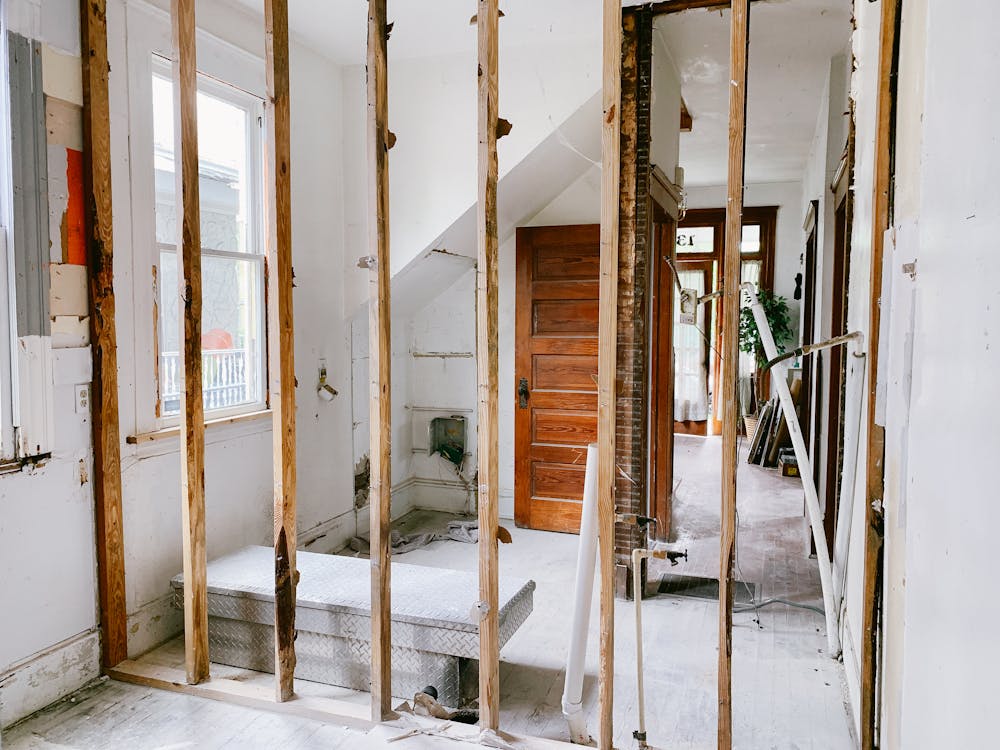
Homes built before modern construction standards — especially those from the 1800s and early 1900s — have walls that are not plumb, floors that are not level, and room dimensions that vary from what any reasonable person would expect. Hand-measuring these spaces is not just slow; it is unreliable.
Scanning captures the actual geometry, including every deviation, bow, and irregularity. This matters enormously when you are designing custom millwork, fitting new cabinets, or planning an addition that must tie into existing structure that is not square.
High-End Kitchens and Bathrooms
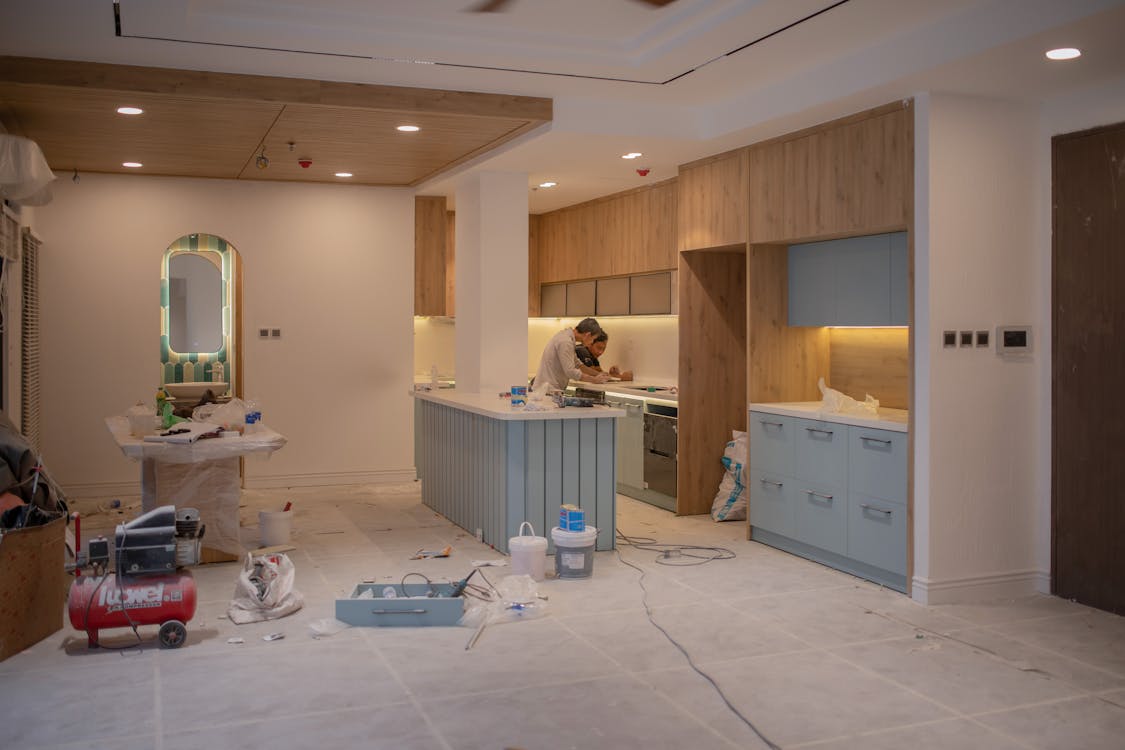
Custom cabinetry and countertop fabrication require measurements that are accurate to fractions of an inch. A $50,000 custom kitchen with a quartz island that does not fit because the wall measurements were off by half an inch is not a hypothetical scenario — it happens regularly. Scanning provides measurement accuracy within 2-4mm across the entire space, which eliminates fit issues for custom fabrication.
The cost-benefit analysis is simple: if the custom work in the room costs more than $15,000-$20,000, the scanning cost is less than the risk of a single measurement error.
Insurance Documentation and Legal Disputes
When property damage occurs — fire, flood, structural failure — having a pre-existing 3D scan of the home provides irrefutable documentation of the original condition. This is valuable for insurance claims, neighbor disputes about property lines, and legal proceedings involving property condition.
Multi-Contractor Coordination
Large residential renovations often involve an architect, a structural engineer, an MEP designer, a general contractor, and multiple specialty subcontractors. Giving all parties access to the same accurate 3D dataset eliminates the measurement discrepancies that occur when each trade takes their own measurements independently.
ADU and Addition Design
Accessory dwelling units (ADUs) and home additions must connect to the existing structure. Scanning the existing home provides the design team with precise attachment points, roof lines, foundation elevations, and utility locations. This is particularly important when the addition must match the architectural style of the original home.
When Scanning Probably Does Not Make Sense
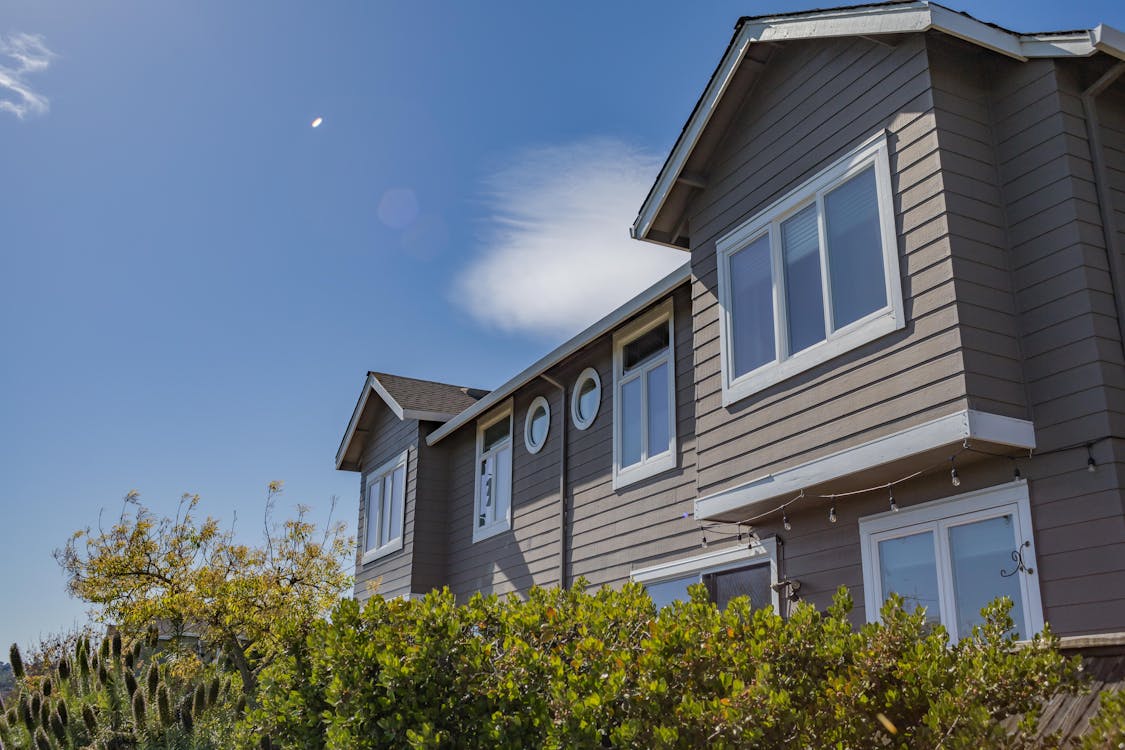
Scanning is not the right tool for every residential project. Here are the scenarios where the cost is hard to justify.
Simple Cosmetic Renovations
If you are replacing flooring, painting, updating fixtures, or making other cosmetic changes that do not involve structural modifications, you do not need millimeter-accurate measurements of the existing space. A tape measure and a camera are sufficient.
Cookie-Cutter Homes with As-Built Drawings Available
If the home was built from standardized plans that are still available from the builder, and no significant modifications have been made, the existing drawings may be accurate enough for your project. Check with the builder or local building department for original plans before paying for scanning.
Very Small, Simple Spaces
Scanning a rectangular 10x12 bedroom with standard construction for a simple closet addition is overkill. The space is simple enough that hand measurements are reliable, and the tolerance requirements for the downstream work are not demanding.
Budget-Constrained Projects
If the total renovation budget is under $15,000, spending $2,000-$4,000 on scanning represents 15-25% of the project budget. That is a high percentage unless the renovation involves structural changes where measurement errors would cost more than the scanning.
Alternatives to Full 3D Scanning for Small Projects
If full 3D laser scanning does not fit the project budget, several alternatives exist — each with trade-offs.
Matterport Scans
A Matterport virtual tour scan captures the visual layout of a space and produces basic measurements. Matterport pricing starts much lower than laser scanning. However, Matterport accuracy (typically plus or minus 1-2% of measured dimensions) is not sufficient for construction documentation, custom fabrication, or structural analysis. It works well for space planning and visual reference.
Photogrammetry
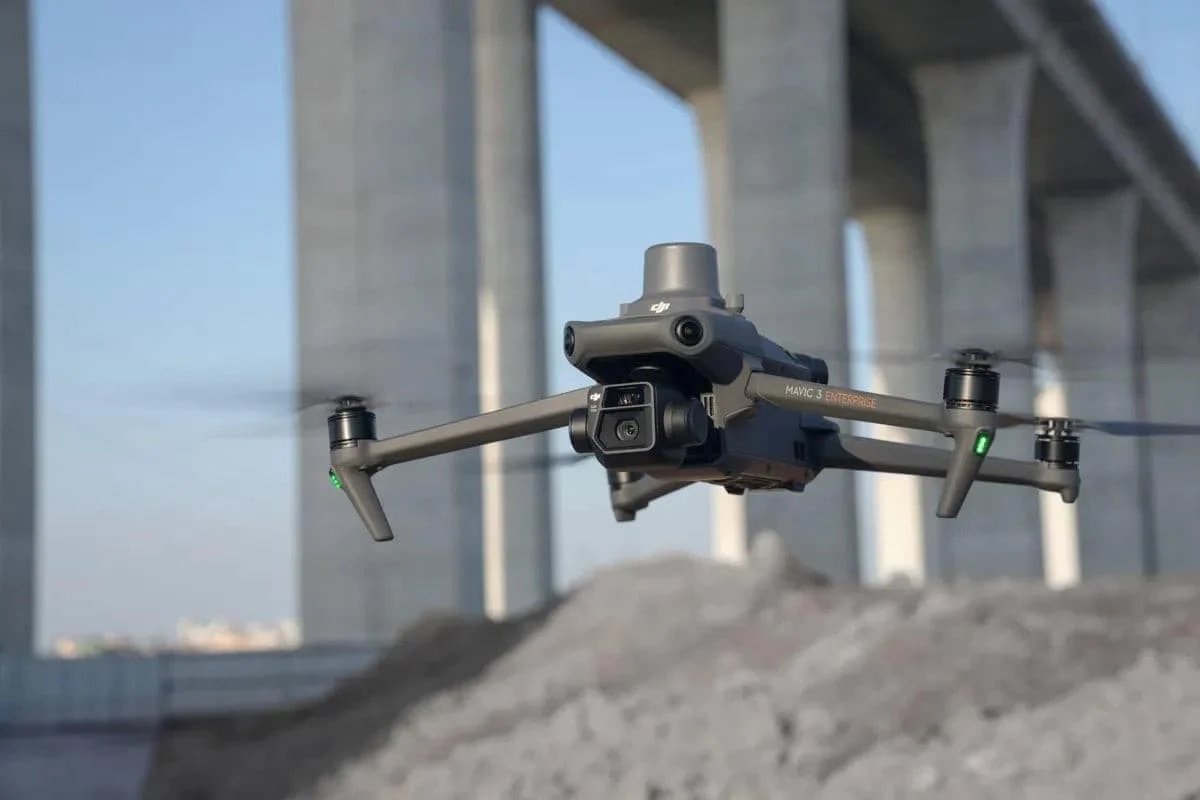
Drone photogrammetry can capture exterior dimensions and roof geometry at lower cost than laser scanning. For projects that primarily need exterior measurements (additions, roofing, siding), photogrammetry may be the better value.
Detailed Hand Measurements
A skilled contractor or architect with a laser distance meter can measure simple residential spaces accurately enough for most renovation work. The key word is “simple” — once the geometry becomes irregular, the number of measurements required to capture it accurately makes hand measuring slower and less reliable than scanning.
LiDAR-Equipped Tablets and Phones
Devices like the iPad Pro with built-in LiDAR can produce rough 3D models of residential spaces. These captures are useful for preliminary design and space planning but lack the accuracy for construction documentation. Point accuracy is typically plus or minus 10-20mm, compared to plus or minus 2-4mm for professional scanning. If you want to understand more about the technology behind these measurements, our guide on what a point cloud is explains the fundamentals.
The Break-Even Calculation
Here is a practical framework for deciding whether residential scanning makes financial sense for your project:
Step 1: Estimate the cost of a measurement error. If inaccurate measurements would require re-fabrication of custom elements, structural redesign, or construction rework, estimate that cost. For most residential renovations involving custom work, a single significant measurement error costs $3,000-$10,000 to correct.
Step 2: Estimate the probability of a measurement error. For simple rectangular spaces with standard construction, the probability is low (under 10%). For complex, irregular, or historic spaces, the probability rises to 30-50% or higher.
Step 3: Multiply cost times probability. If a measurement error would cost $5,000 and has a 30% probability, the expected cost of not scanning is $1,500. If scanning costs $3,000, it may or may not make sense depending on your risk tolerance. If the error cost is $10,000 at 30% probability, the expected cost of $3,000 matches the scanning cost exactly — and most people would prefer the certainty.
Step 4: Add the value of time savings. Scanning a 2,000 square foot home takes 2-3 hours. Detailed hand measurements of the same space take 6-10 hours for a team of two. If architect or contractor time is billed at $100-$200 per hour, the time savings of scanning partially offset the scanning cost.
What Residential Scanning Delivers
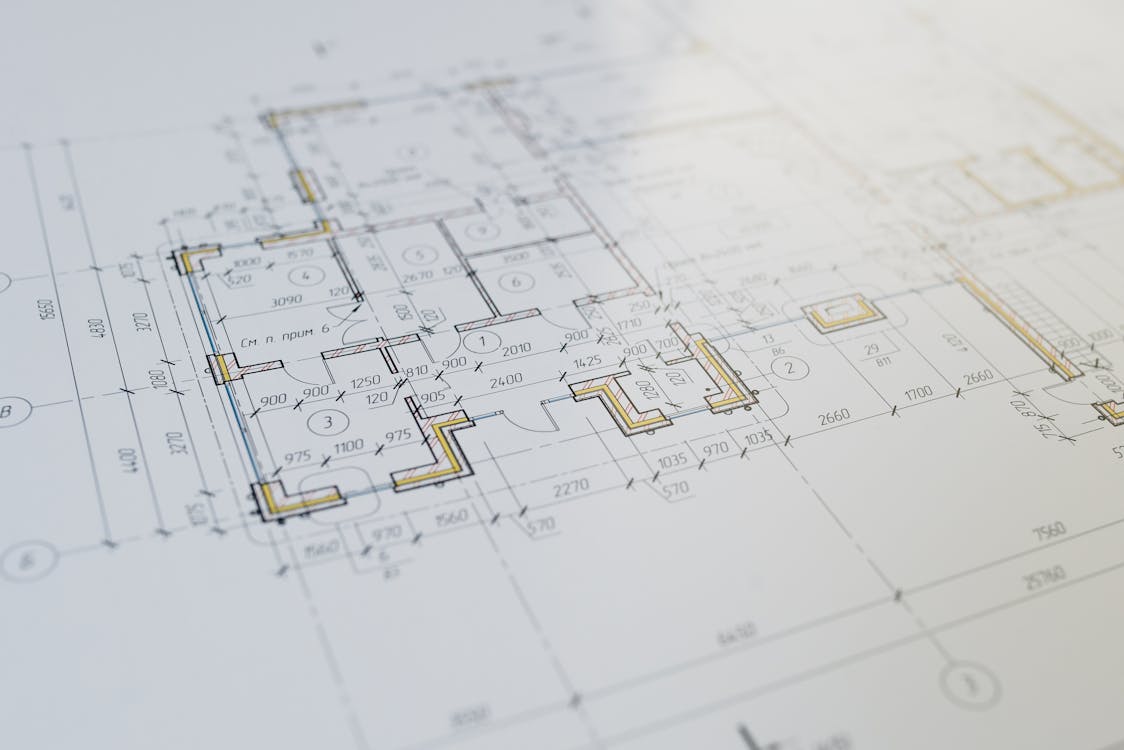
When you hire a professional scanning firm for a residential project, here is what you should expect to receive and work with:
- Registered point cloud: All individual scans aligned into a single unified dataset, accurate to within 2-4mm. Delivered in E57, RCP, LAS, or OBJ format depending on your workflow requirements.
- Floor plan reference views: From the delivered point cloud, your design team can take horizontal slices in their own software to see room layouts and wall positions for reference. These views are generated downstream in your CAD or modeling software — THE FUTURE 3D delivers the point cloud data, not CAD drawings.
- Section reference views: Vertical slices through the same point cloud reveal ceiling heights, floor levels, and structural elements — also generated in your own software from the delivered scan data, not as separate drawings.
- Registration report: Documentation of the scan registration accuracy, showing how precisely the individual scans were aligned.
If your project requires CAD drawings or BIM models, those are produced downstream from the point cloud data by your design team or a drafting service. THE FUTURE 3D delivers BIM-conversion-ready scan data that can be directly imported into Revit, AutoCAD, or other design software.
How to Prepare Your Home for Scanning
Preparation directly affects both scan quality and scan cost. The more prepared the space is, the faster and more accurate the scan.
- Declutter surfaces that define the room geometry: countertops, floors along walls, window sills. The scanner needs to see the actual wall, floor, and ceiling surfaces.
- Open all interior doors that lead to spaces being scanned. Closed doors create gaps in coverage.
- Turn on all lights. While the scanner does not require light to measure distances, photographic color overlay (if requested) requires illumination.
- Remove vehicles from the garage if it is being scanned.
- Secure pets in an area that is not being scanned.
- Remove personal items you do not want captured in the scan data (the scanner captures everything visible, including personal photographs, documents, and screens).
For a more detailed preparation checklist, see our full guide on how to prepare your building for a 3D scanning project.
Questions to Ask a Residential Scanning Provider
Before hiring a scanning firm for your residential project, ask these questions:
- What scanner will you use? Professional-grade scanners (Trimble, FARO, Leica) produce survey-grade data. iPad or consumer-grade scanners do not.
- What accuracy can you guarantee? Get a number in millimeters, not a vague answer.
- What is the deliverable format? Make sure it is compatible with your design software.
- How long will field scanning take? Most homes scan in 2-4 hours. Significantly less suggests insufficient coverage.
- What is the turnaround time for processed data? Standard is 5-10 business days.
- Do you carry professional liability insurance? Essential for any project where scan data informs structural decisions.
Conclusion
3D scanning for small residential projects makes clear financial sense when the renovation involves structural changes, custom fabrication, complex geometry, or high-value finishes. For projects under $15,000 with simple geometry and cosmetic-only changes, alternatives like hand measurements or Matterport scans are usually sufficient.
The deciding factor is risk: how much would a measurement error cost, and how likely is that error? When the answer is “a lot” and “not unlikely,” the $2,000-$6,000 scanning investment is easy to justify.
If you are planning a residential renovation and want to know whether scanning makes sense for your specific project, request a free consultation from THE FUTURE 3D. We will give you an honest assessment — including telling you if your project does not need scanning.
Ready to Start Your Project?
Get a free quote and consultation from our 3D scanning experts.
Get Your Free Quote