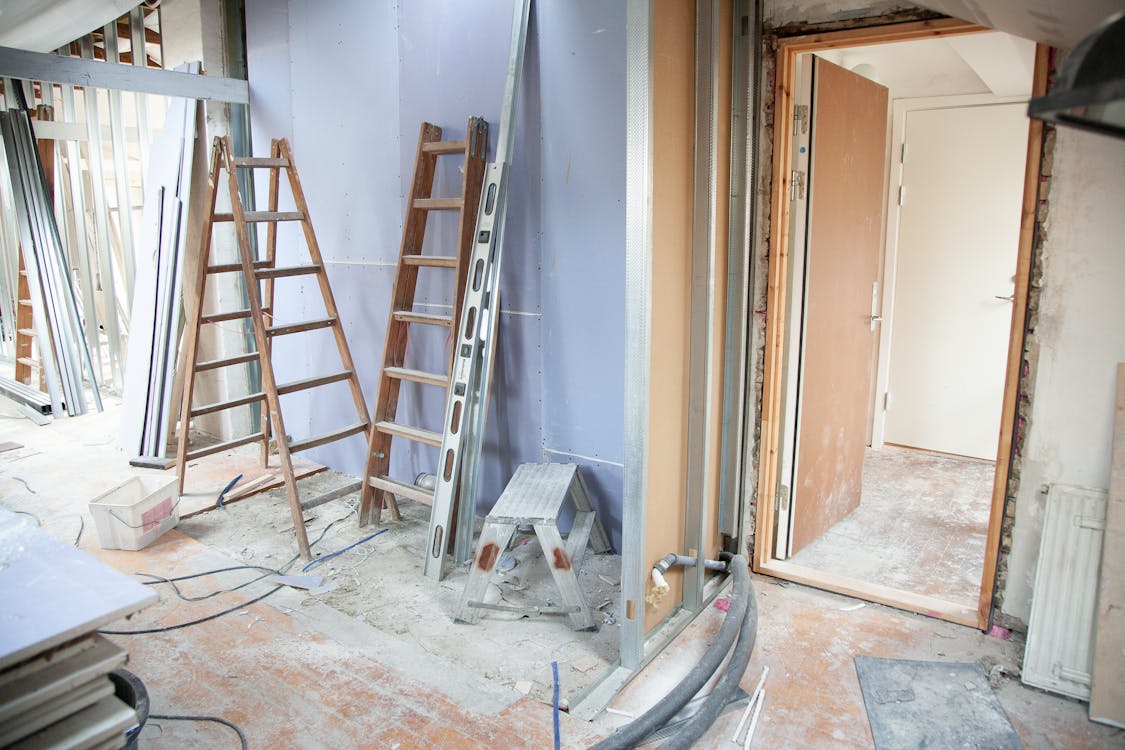
The business case for 3D laser scanning on renovation projects is not theoretical. It is grounded in measurable cost savings that show up in reduced rework, fewer change orders, shorter schedules, and more accurate bidding. The data consistently shows that scanning pays for itself multiple times over on projects of virtually any size.
This guide presents the ROI data, explains where the savings come from, and provides practical frameworks for calculating the return on scanning investment for your specific project.
The Core ROI Numbers
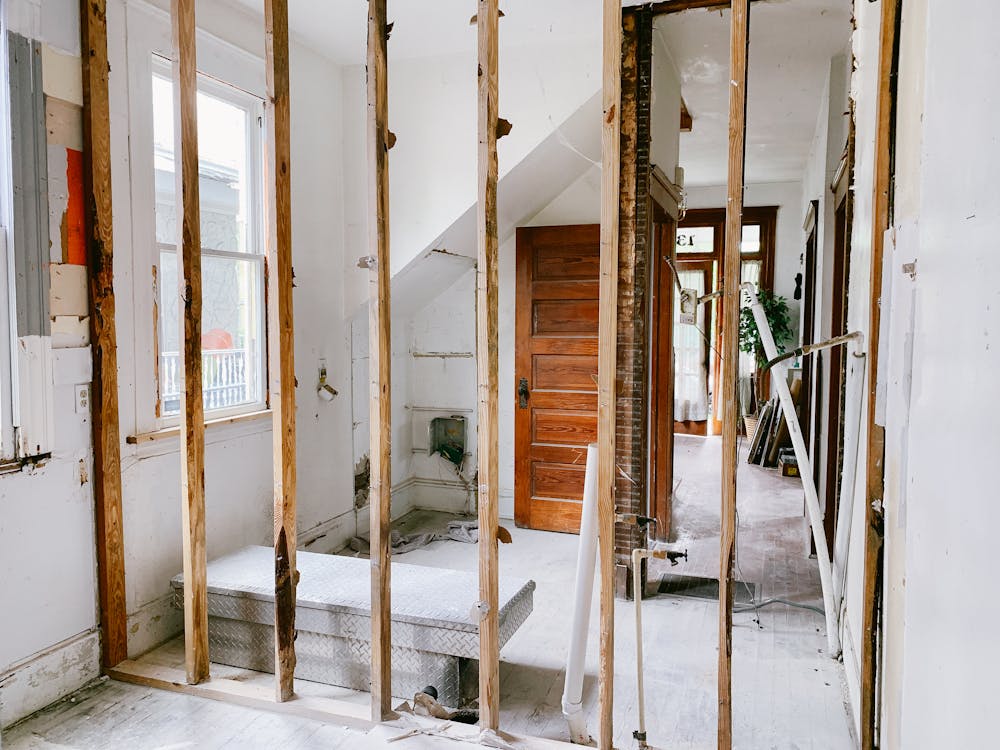
Industry research and project data across thousands of renovation and retrofit projects point to consistent return-on-investment metrics for 3D laser scanning:
Rework Reduction: 30-60%
Rework --- tearing out and redoing work that was built incorrectly --- is the single largest source of waste on renovation projects. The primary cause of rework on renovation projects is inaccurate existing-conditions documentation. When the as-built drawings do not match reality (and they almost never do for buildings over 10 years old), design decisions are made against wrong assumptions, and construction follows wrong dimensions. Our as-built documentation hub covers the full process, checklists, and industry-specific requirements.
3D laser scanning captures as-built conditions to plus or minus 2-4mm accuracy, virtually eliminating dimensional surprises during construction. Industry data consistently shows a 30-60% reduction in rework on projects that use scan data versus traditional measurement methods.
Where the savings come from:
- Ductwork fabricated to correct dimensions (no field modification)
- Wall framing that fits the actual space (no trimming or shimming)
- Equipment that fits in the actual available space (no returns or redesigns)
- Penetrations that align between floors (no re-coring)
- Structural connections that match existing conditions (no field welding modifications)
Return on Investment: 3-4x
Across a broad range of renovation projects, the return on scanning investment typically falls in the 3-4x range. For every dollar spent on scanning, three to four dollars are saved through reduced rework, fewer change orders, and shorter project timelines.
On complex projects --- hospitals, industrial plants, buildings with dense MEP systems --- the ROI can reach 5-10x or higher because the cost of rework in these environments is proportionally much greater.
Schedule Compression: 10-25%
Accurate as-built data allows design teams to work faster (fewer field visits for verification), fabricators to work with confidence (no waiting for field measurements), and construction teams to build right the first time. The cumulative effect is a 10-25% reduction in overall project schedule for renovation and retrofit work.
For projects with time-sensitive deadlines --- tenant fit-outs with lease start dates, hospital renovations with phasing constraints, data center retrofits with uptime requirements --- schedule compression can be worth more than the direct cost savings.
Where Scanning ROI Is Highest
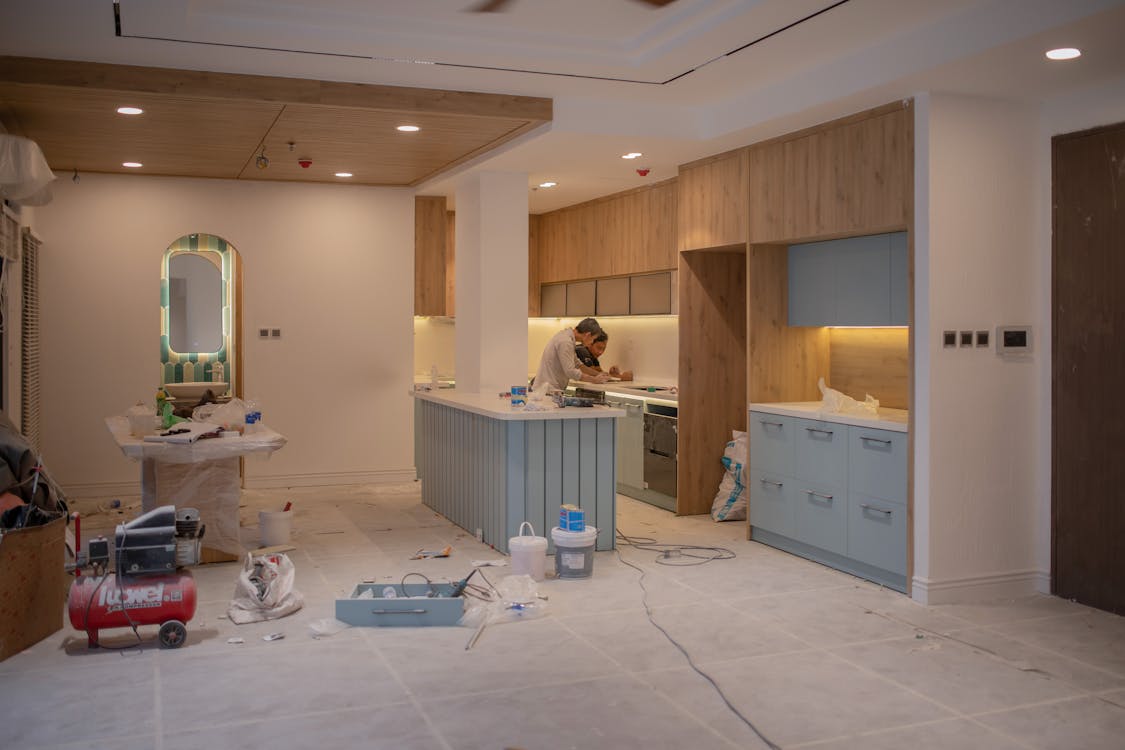
Not all renovation projects benefit equally from 3D scanning. The ROI is highest when the following conditions exist:
High Mechanical Complexity
Buildings with dense MEP (Mechanical, Electrical, Plumbing) systems --- hospitals, laboratories, data centers, manufacturing plants --- generate the highest scanning ROI. MEP conflicts are the most common source of renovation rework, and they are the hardest to detect with traditional measurement methods.
A single HVAC duct that does not fit because the ceiling cavity is 2 inches shorter than the drawings indicate can trigger a $5,000-$20,000 change order (redesign, re-fabrication, re-installation, schedule delay). A single laser scan of that ceiling cavity costs a small fraction of one change order and would have prevented it entirely.
Outdated or Missing As-Built Documentation
Buildings constructed before the 1990s rarely have accurate digital documentation. Original drawings (if they exist) often do not reflect decades of modifications, tenant improvements, and maintenance changes. For these buildings, every design decision based on existing drawings carries risk.
Scanning provides a fresh, accurate baseline that reflects the building’s actual current state --- not its original design intent. For buildings with no documentation at all, scanning is not just beneficial --- it is virtually the only viable approach to accurate existing-conditions capture.
Occupied and Operational Spaces
Renovating occupied buildings (hospitals that must remain operational, office buildings with active tenants, manufacturing plants that cannot shut down) adds complexity and cost. Every hour spent on-site measuring with tape measures is a disruption. Every return visit for missed measurements is a disruption.
3D scanning captures comprehensive data in a fraction of the time that manual measurement requires. A typical commercial floor can be scanned in 4-8 hours (often during off-hours), capturing every dimension that the design team will need --- eliminating or significantly reducing the need for follow-up measurement visits.
Multi-Trade Coordination
Renovation projects involving multiple trades working in constrained spaces --- mechanical, electrical, plumbing, fire protection, structural --- benefit enormously from scan data because it provides a common reference point for all trades to coordinate against. Instead of each trade taking its own measurements (which may not agree with each other), all trades work from the same scan data.
This shared reference eliminates the “I measured it differently” disputes that drive coordination delays and rework on complex projects.
Repetitive Project Types
Organizations that perform similar renovation work across multiple buildings --- property management firms, healthcare systems, retail chain operators, government agencies --- see compounding ROI because the workflow efficiencies gained on the first project accelerate every subsequent project. The scanning investment is not just for one project; it establishes a process that reduces cost on every future renovation.
Project-Level ROI Examples
The following examples illustrate how scanning ROI manifests on real-world renovation projects. These represent typical scenarios based on industry data; they are not specific client projects.
Example 1: Commercial Office Renovation
Project profile:
- 15,000-square-foot office tenant fit-out in a 1990s building
- New HVAC layout, lighting, and partition walls
- Original drawings available but not updated since initial construction
Without scanning:
- Manual measurement: $3,000-$5,000 (multiple site visits over several weeks)
- Design based on potentially inaccurate measurements
- Typical rework rate: 5-8% of construction cost
- Construction cost: $1,500,000
- Expected rework cost: $75,000-$120,000
- Typical change orders from dimensional conflicts: 3-5 at $5,000-$15,000 each
With scanning:
- 3D laser scanning: $3,000-$6,000 (one-day field visit, complete documentation)
- Design based on accurate as-built data
- Rework reduction: 30-60%
- Expected rework cost: $30,000-$84,000 (reduced from $75,000-$120,000)
- Change orders from dimensional conflicts: 0-1
Net savings: $22,500-$72,000 on a $3,000-$6,000 scanning investment. ROI: 4-24x
Example 2: Hospital Department Renovation
Project profile:
- 8,000-square-foot emergency department renovation
- Dense above-ceiling MEP with no reliable documentation
- Facility must remain partially operational during construction
Without scanning:
- Manual measurement of above-ceiling conditions: $8,000-$12,000 (requiring ceiling panel removal, multiple visits, partial disruption)
- Incomplete documentation (some areas inaccessible during operation)
- Typical rework rate: 8-12% of construction cost due to MEP complexity
- Construction cost: $4,000,000
- Expected rework cost: $320,000-$480,000
- Schedule overrun from rework: 2-4 weeks at $15,000-$25,000/week in extended general conditions
With scanning:
- 3D laser scanning including above-ceiling: $6,000-$12,000 (2-3 day field effort)
- Complete documentation including concealed spaces
- Rework reduction: 30-60%
- Expected rework cost: $128,000-$336,000 (reduced from $320,000-$480,000)
- Schedule overrun reduction: 1-3 weeks saved
Net savings: $96,000-$288,000 on a $6,000-$12,000 scanning investment. ROI: 8-48x
Example 3: Retail Store Rollout
Project profile:
- National retail chain renovating 20 existing stores
- Similar scope per store (new fixtures, lighting, HVAC modification)
- Buildings range from 1970s to 2000s construction, varying as-built accuracy
Without scanning (per store):
- Manual measurement: $2,000-$4,000
- Design team field visits for verification: $1,500-$3,000
- Rework per store: $10,000-$25,000
- Total per store: $13,500-$32,000 in waste and measurement costs
With scanning (per store):
- 3D laser scanning: $2,000-$4,000
- Zero field verification visits needed
- Rework per store: $4,000-$17,500 (reduced 30-60%)
- Total per store: $6,000-$21,500
Net savings per store: $3,000-$18,000 Net savings across 20 stores: $60,000-$360,000 ROI per store: 2-5x Cumulative ROI across program: The scanning workflow becomes more efficient with each store, as the team refines its process. By store 5, the ROI is typically higher than store 1.
Example 4: Industrial Plant Retrofit
Project profile:
- 100,000-square-foot manufacturing plant adding new production line
- Existing utility routing (steam, compressed air, electrical) must be documented
- No reliable as-built drawings (plant built in 1975, modified extensively)
- Coordination with existing operations critical (no unplanned shutdowns)
Without scanning:
- Manual measurement of existing utilities: $25,000-$40,000 (weeks of field work in operating plant)
- Incomplete documentation (some areas inaccessible during operation)
- Rework rate: 10-15% of construction cost
- Construction cost: $5,000,000
- Expected rework cost: $500,000-$750,000
- Unplanned shutdowns from construction conflicts: 2-5 events at $50,000-$200,000 per event
With scanning:
- 3D laser scanning: $15,000-$35,000 (1-2 weeks, including nights and weekends for access)
- Complete existing-conditions documentation
- Rework reduction: 30-60%
- Expected rework cost: $200,000-$525,000
- Unplanned shutdown reduction: significant (conflicts identified in design phase)
Net savings: $150,000-$450,000+ on a $15,000-$35,000 scanning investment. ROI: 4-30x
The Hidden ROI: Benefits Beyond Rework Reduction
Reduced Design Time
Architects and engineers spend significant time on-site measuring and verifying existing conditions. Scanning compresses this to a single data capture session. The design team then works from the point cloud in their office, measuring any dimension they need without returning to the site.
Typical design time savings: 20-40% for the existing-conditions documentation phase.
More Accurate Bidding
Subcontractors who bid from accurate scan data submit tighter, more competitive bids because they have less uncertainty to price in. When a mechanical subcontractor can see exactly how much ceiling space is available for ductwork, they do not need to pad their bid with a “field conditions” contingency.
Typical bid improvement: 5-15% tighter bids from subcontractors with access to scan data.
Reduced Litigation Risk
Construction disputes frequently center on existing conditions that differ from what was documented. Scan data provides an objective, timestamped record of the building’s state at a specific point in time. This documentation can prevent disputes or resolve them quickly when they arise.
Reusable Asset Data
The scan data captured for a renovation project becomes a permanent digital record of the building. It can be reused for future renovations, facility management, space planning, and compliance documentation --- all without re-scanning. For building owners, this transforms a one-time project expense into a long-term asset.
Insurance Documentation
Pre-renovation scan data establishes a precise baseline for insurance purposes. If a renovation project causes damage to adjacent spaces, the scan data provides incontrovertible evidence of pre-existing conditions.
How to Calculate ROI for Your Project

Use this framework to estimate the scanning ROI for your specific project:
Step 1: Estimate Rework Risk
What percentage of construction cost do you expect to lose to rework on this project? For reference:
| Project Type | Typical Rework Rate (without scanning) |
|---|---|
| Simple commercial interior | 3-5% |
| Complex commercial (dense MEP) | 5-8% |
| Hospital or laboratory | 8-12% |
| Industrial plant | 10-15% |
| Historic renovation | 8-12% |
Step 2: Calculate Expected Rework Cost
Multiply your construction budget by the rework rate:
Expected rework = Construction cost x Rework rate
Step 3: Apply Scanning Reduction Factor
With accurate scan data, expect to reduce rework by 30-60%:
Savings = Expected rework x Reduction factor (0.30-0.60)
Step 4: Compare to Scanning Cost
Scanning costs $0.20-$0.70 per square foot for the scanning component. Compare this to the savings calculated in Step 3:
ROI = Savings / Scanning cost
For a quick, automated calculation specific to your project parameters, use our cost calculator.
When Scanning ROI Is Marginal
Not every renovation project justifies scanning. The ROI is lowest when:
- The project is cosmetic only (painting, carpet, fixtures) with no dimensional requirements
- Accurate, recent as-built documentation exists (verified within the past 2-3 years)
- The scope is very small (a single room under 500 square feet with no MEP work)
- The building is new construction (built within the past 5 years with BIM documentation available)
For these projects, the scanning cost may exceed the expected savings. Traditional measurement or reference to existing documentation is more cost-effective.
However, even in these cases, scanning can provide value as a permanent digital record --- particularly for building owners who plan future renovations or need comprehensive facility documentation.
The Decision Framework
Ask yourself these questions:
- Are the existing as-built drawings accurate? If no (or if no drawings exist), scanning is almost certainly worth it.
- Does the project involve MEP coordination? If yes, scanning ROI is high because MEP conflicts are the most expensive rework category.
- Is the construction budget over $500,000? If yes, scanning cost ($2,000-$10,000 for most commercial projects) is a rounding error compared to the rework risk.
- Will the building be renovated again in the future? If yes, the scan data becomes a reusable asset that pays dividends on future projects.
- Is the schedule critical? If yes, the 10-25% schedule compression from scanning can be worth more than the direct cost savings.
If you answered yes to two or more of these questions, the scanning ROI on your project is very likely positive and potentially substantial.
Frequently Asked Questions
How quickly does scanning ROI become apparent on a project?
Typically during the design phase, when the design team discovers they can measure any dimension from the point cloud without returning to the site. The tangible financial ROI becomes apparent during construction, when the rework rate is noticeably lower than comparable projects without scan data. By project close-out, the ROI is quantifiable by comparing actual rework costs to typical rates.
Does scanning ROI apply to residential renovations?
Yes, but the scale is smaller. On a $200,000 residential renovation, scanning at $2,000-$4,000 can prevent $10,000-$30,000 in rework on projects involving structural modifications, kitchen and bathroom remodeling with plumbing relocation, or additions that must tie into existing conditions. For simpler residential renovations (cosmetic updates, single-room remodels), the ROI is marginal. See our cost guide for residential pricing details.
Can I use scanning ROI data to justify the cost to my client or management?
Absolutely. The ROI framework in this article can be adapted into a project-specific business case. Our cost calculator generates a formatted summary with your project’s specific numbers, suitable for inclusion in project proposals or budget requests.
What if the scanning reveals problems that add cost to the project?
This is actually a benefit, not a cost. If the scanning reveals that the ceiling cavity is 4 inches shorter than the drawings show, your design team adjusts the mechanical design before construction begins --- at zero rework cost. Without scanning, this problem would be discovered when the mechanical contractor opens the ceiling during construction --- triggering a change order, a design revision, re-fabrication of ductwork, and a schedule delay. The scanning did not create the problem; it revealed it early enough to solve it cheaply.
How does scanning ROI compare to other construction technology investments?
Among all construction technology investments (project management software, drone monitoring, IoT sensors, AI scheduling), 3D scanning for renovation projects consistently shows the highest and most immediate ROI because it directly addresses the largest source of waste (rework from inaccurate documentation). Other technologies provide valuable benefits but typically show ROI over longer time horizons or across project portfolios rather than on individual projects.
Is there a minimum project size where scanning makes financial sense?
For most commercial renovation projects, scanning ROI turns positive above approximately $200,000-$300,000 in construction value, or when MEP coordination is involved at any scale. Below this threshold, the scanning cost ($1,000-$3,000) may not be recovered through rework reduction alone --- though the value of accurate documentation and time savings during design still has merit. Our minimum project cost for scanning is $1,000, so even smaller projects can benefit if the accuracy requirement justifies the investment.
Ready to calculate the ROI of scanning on your next renovation? Use our cost calculator or request a quote from THE FUTURE 3D.
Ready to Start Your Project?
Get a free quote and consultation from our 3D scanning experts.
Get Your Free Quote