Orlando is home to the largest concentration of theme parks in the world — Walt Disney World, Universal Orlando Resort, SeaWorld Orlando, and dozens of independent attractions within a 30-mile radius. For these facilities, 3D scanning provides the precision documentation that supports ride safety programs, renovation planning, and the rapid pace of attraction development that defines the Orlando theme park industry.
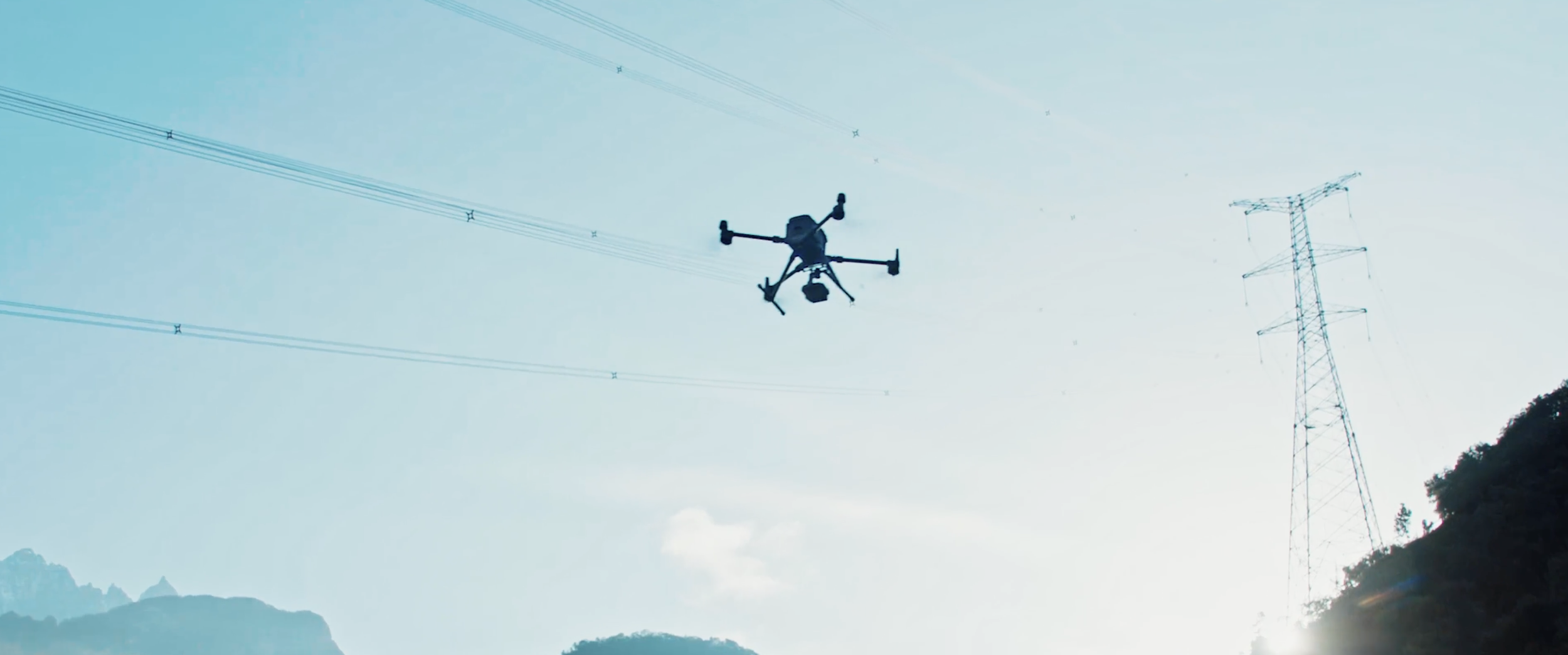
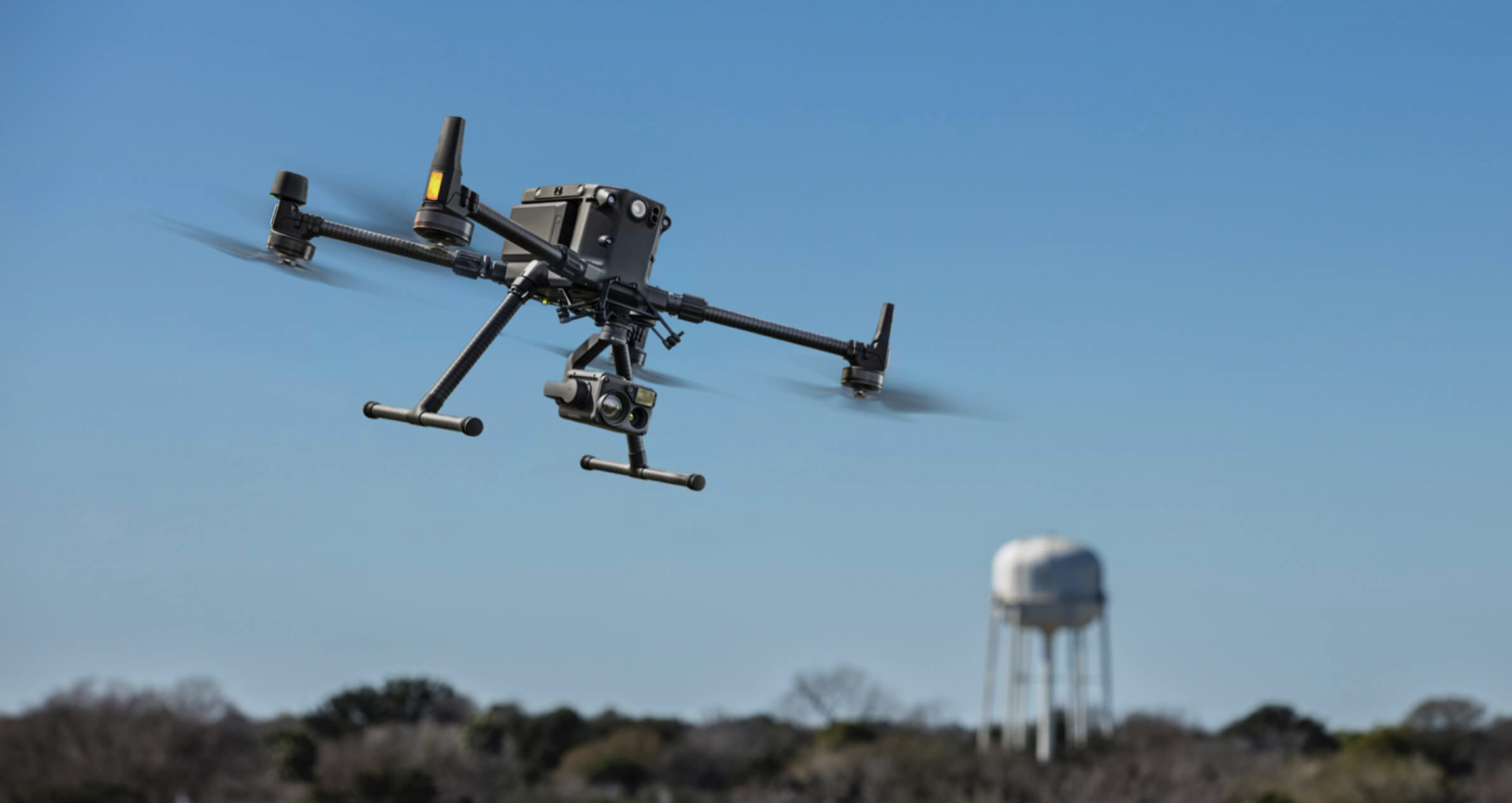
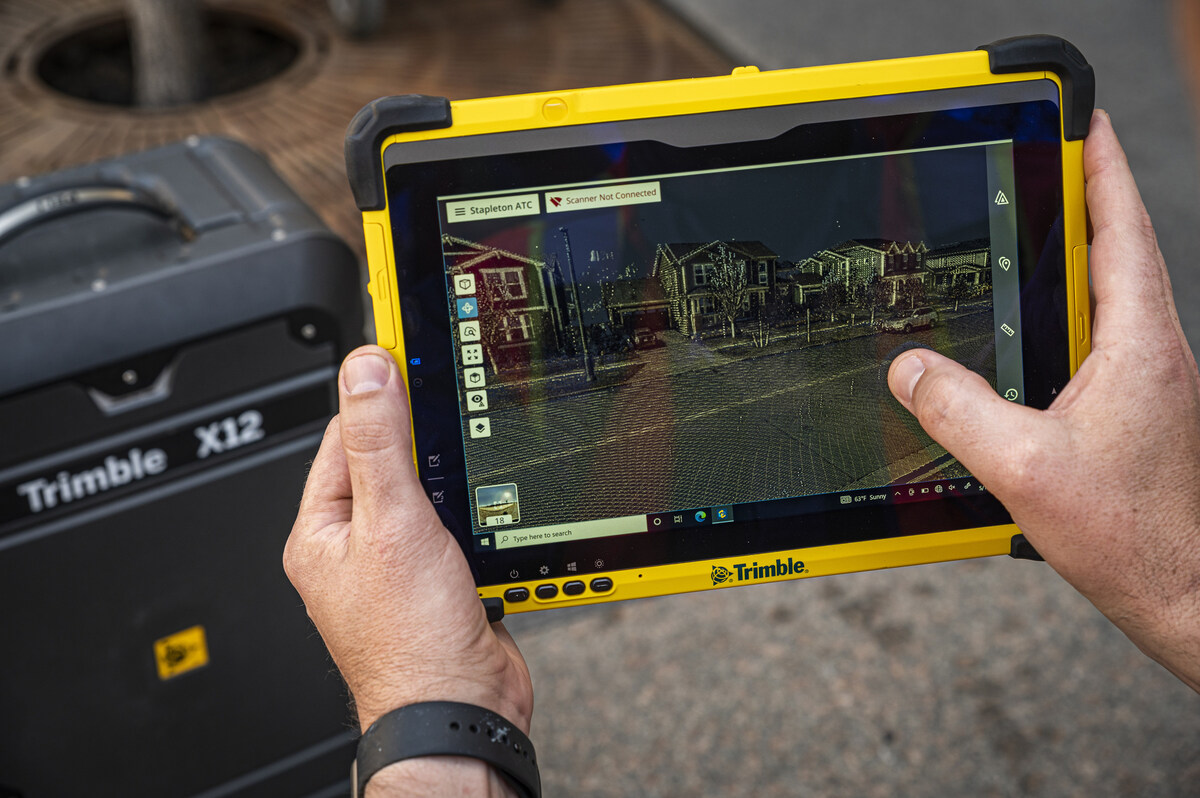
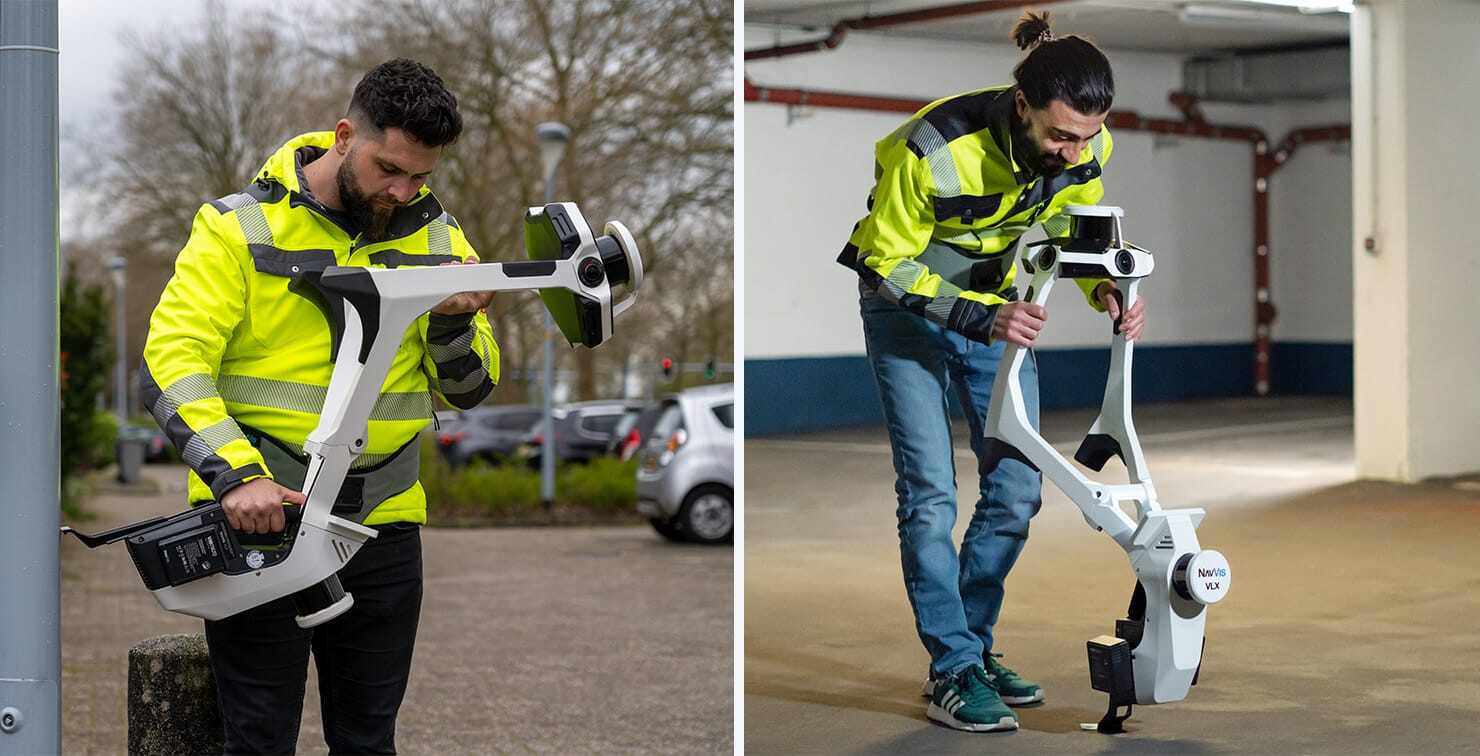
THE FUTURE 3D’s Orlando presence puts our scanning team within immediate reach of these facilities, equipped with the Trimble X12, FARO Focus Premium, NavVis VLX3, and DJI Matrice 4E platform that theme park documentation requires.
Orlando: The World Capital of Theme Parks
The Orlando theme park market represents a unique concentration of scanning opportunity:
- Walt Disney World: 4 theme parks, 2 water parks, and the Disney Springs entertainment complex across 25,000 acres
- Universal Orlando Resort: 3 theme parks (including the new Epic Universe), CityWalk entertainment complex
- SeaWorld Orlando: Marine theme park, Aquatica water park, Discovery Cove
- LEGOLAND Florida: Theme park and water park in nearby Winter Haven
- Independent attractions: Fun Spot, ICON Park, Gatorland, and numerous smaller venues
These facilities collectively operate thousands of rides, attractions, and structures that require ongoing documentation for safety compliance, maintenance planning, and renovation design.
Roller Coaster Structural Documentation
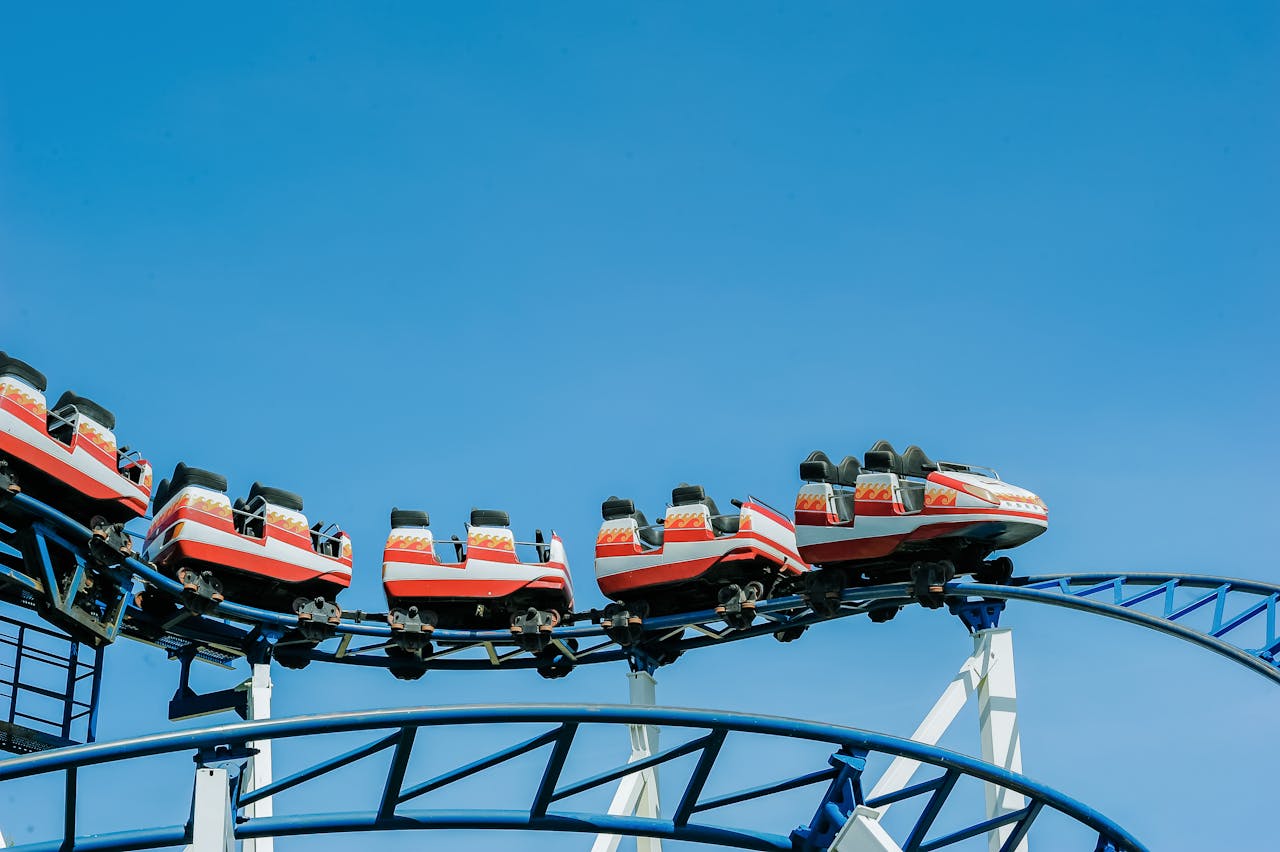
Roller coasters are among the most geometrically complex structures in any industry. A modern steel coaster includes:
Track Geometry
- Rail profiles (tubular steel, typically 10-20cm diameter)
- Track gauge (distance between rails)
- Support column positions and heights
- Connection hardware at every joint and splice
- Track curvature and banking through every element
Structural Supports
- Column foundations and base plates
- Vertical and angled supports
- Cross-bracing between columns
- Connection details at every structural intersection
- Foundation condition at ground level
Station and Queue Infrastructure
- Load/unload platform geometry
- Queue line routing and barrier positions
- Operator booths and control systems
- Emergency exit routes from ride areas
Why 3D Scanning for Coasters?
Traditional ride inspection relies on visual examination and spot measurements. 3D scanning captures the complete geometry:
- Detect structural changes over time: Comparing annual scans reveals settlement, displacement, or deformation in structural elements
- Measure clearance envelopes: The 3D model verifies that nothing encroaches on the ride vehicle clearance path
- Document as-built conditions: As rides are modified, repainted, or reinforced, the scan data provides the authoritative record of what exists
- Support engineering analysis: Structural engineers use the scan data as input for finite element analysis and fatigue assessment
Digital Twins for Ride Maintenance Scheduling
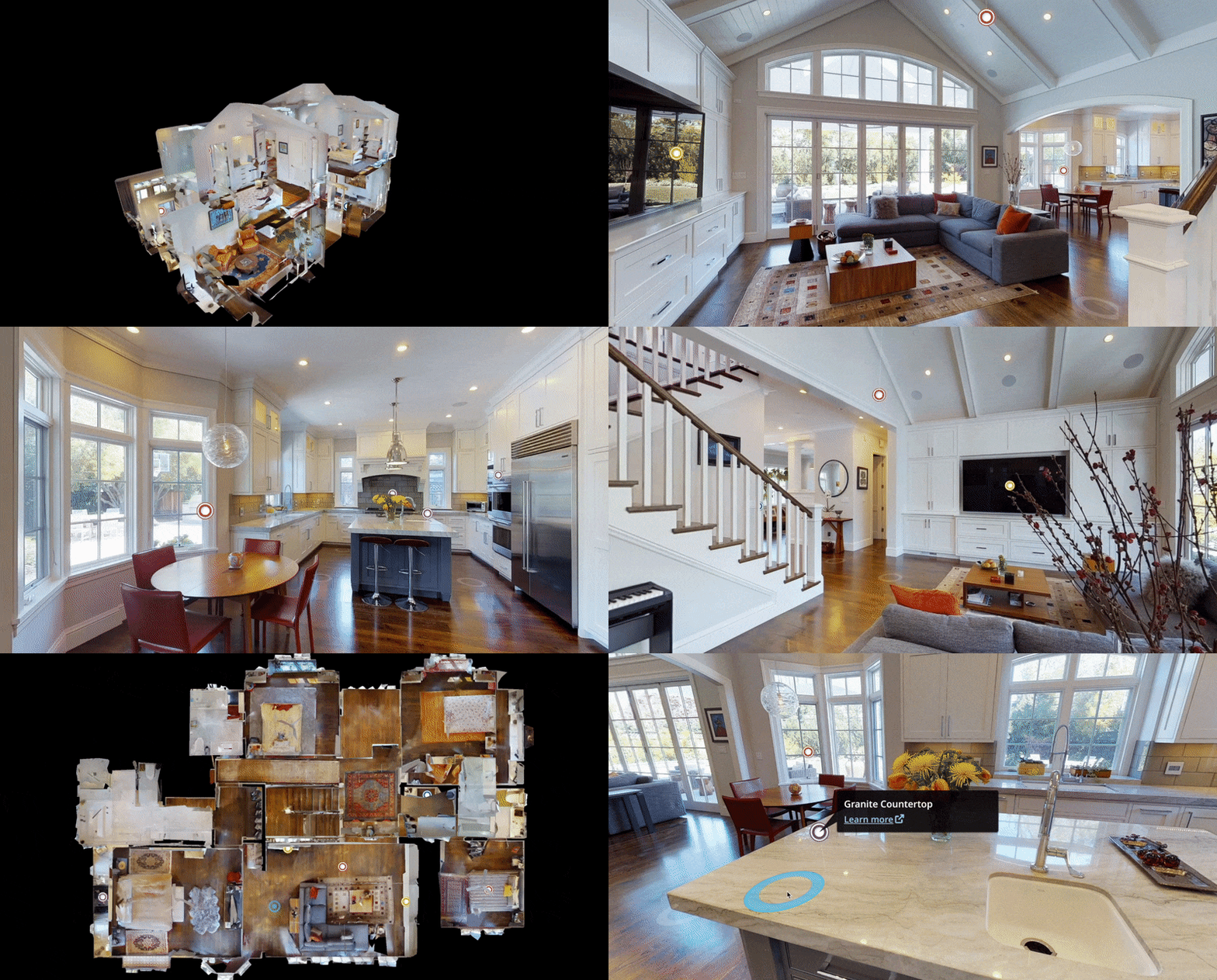
A ride digital twin extends beyond geometry to become an operational planning tool:
Condition-Based Maintenance
Instead of maintaining rides on fixed schedules (every X hours of operation), digital twin data supports condition-based maintenance:
- Track surface condition mapped and trended over time
- Structural connection point monitoring (bolt tension indicators, weld condition)
- Paint and coating condition assessment from visual data
- Foundation condition tracking (settlement, cracking, water intrusion)
Maintenance Access Planning
The 3D model documents access paths to every part of the ride structure:
- Which structural elements require scaffold access?
- Where can mobile elevated work platforms (MEWPs) position safely?
- What are the clearances for maintenance equipment?
- Where are power and water connections for maintenance operations?
Parts and Component Documentation
The scan data provides exact dimensions for replacement parts:
- Custom track sections can be fabricated from scan data
- Support structures can be designed to match existing connection geometry
- Platform modifications can be planned with accurate clearance verification
Renovation and Expansion Planning
Theme parks renovate and expand continuously. The renovation cycle for major attractions is typically 5-15 years, with ongoing modifications between major rebuilds.
As-Built Documentation for Design
Renovation design starts with accurate existing conditions:
- Building dimensions and structural grid for themed environments
- Ride vehicle clearance profiles for new track elements
- Underground utility routing for new attraction infrastructure
- Show building geometry for entertainment technology integration
Theming and Show Set Documentation
Theme park environments include elaborate scenic elements — rockwork, water features, themed facades, and immersive environments. Scanning captures:
- Sculpted surface geometry (rockwork profiles, water feature shapes)
- Themed facade dimensions for replacement or modification
- Interior show set positions relative to ride vehicle paths
- Lighting and special effects equipment positions
Capacity Analysis
The 3D model supports guest flow analysis:
- Queue line capacity calculations from exact routing dimensions
- Throughput modeling based on station geometry and load/unload positions
- Bottleneck identification at transitions between areas
- Emergency evacuation capacity assessment
Indoor vs Outdoor Scanning Challenges
Outdoor Attractions
Outdoor rides and areas are scanned using a combination of:
- Terrestrial scanning (Trimble X12, Leica RTC360) for detailed structural documentation at ground and platform level
- Drone LiDAR (DJI Matrice 4E + Zenmuse L3) for elevated structures, rooftops, and site context
- Drone photogrammetry (Zenmuse P1) for visual documentation and themed facade condition assessment
Outdoor challenges include:
- Vegetation interference around ride structures
- Weather sensitivity (rain stops scanning)
- Guest presence during operating hours (scanning typically during park-closed hours)
Indoor Attractions (Dark Rides)
Indoor attractions present unique scanning conditions:
- Low or theatrical lighting: Laser scanners work regardless of lighting conditions (they provide their own illumination via laser). Photographic documentation may require supplemental lighting.
- Themed surfaces: Elaborately sculpted and painted surfaces create complex geometry that requires higher scan position density
- Water attractions: Flume rides, boat rides, and water effects create splash zones where equipment must be protected
- Show effects: Fog, mist, and theatrical haze can scatter laser pulses. Plan scanning during periods when effects are off.
- Ride vehicle clearance: The scanner must not be placed where ride vehicles operate. Coordinate with operations for safe scanning windows.
Equipment for Theme Park Environments
| Equipment | Best Application | Why |
|---|---|---|
| Trimble X12 | Ride structure documentation | 365m range captures tall structures; survey-grade accuracy |
| FARO Focus Premium | Indoor environments, MEP | High-speed scanning in complex interiors |
| NavVis VLX3 | Queue lines, walkways, backstage | Walking-speed coverage of large areas |
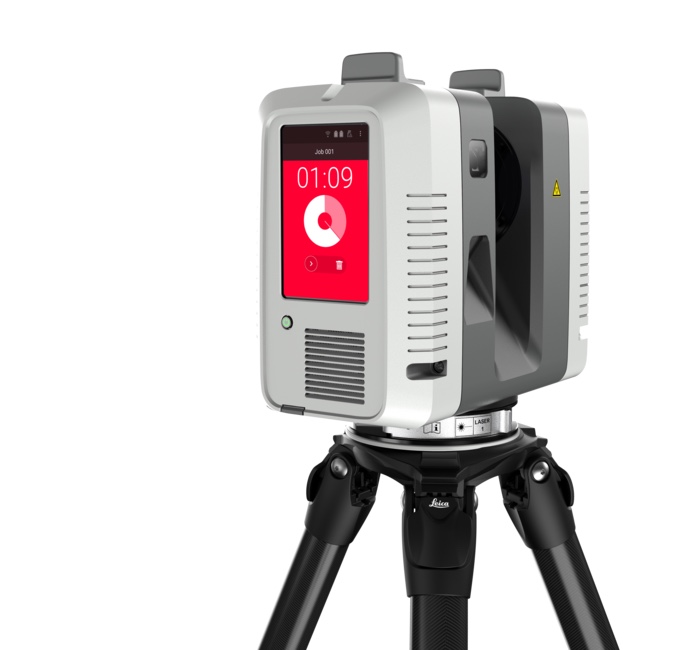
| Leica RTC360 | Themed environments | Fast setup, automated registration, compact |
| DJI M4E + L3 | Outdoor ride structures, site | Aerial perspective on elevated elements |
Frequently Asked Questions
How much does theme park ride scanning cost? A single roller coaster scan (complete track, structure, and station) typically costs $15,000-$35,000 depending on ride size and complexity. A broader facility scan covering multiple rides and surrounding areas ranges from $30,000-$100,000+.
Can scanning be done during park operating hours? Outdoor scanning can be performed during operating hours with coordination (work zones around scanner positions). Indoor scanning of dark rides typically requires the ride to be shut down. Most theme parks schedule scanning during overnight maintenance windows or seasonal closures.
How often should theme park rides be scanned? Annual scanning is recommended for major ride structures as part of the maintenance program. Immediate scanning should follow any structural event (earthquake, severe weather, vehicle incident). Pre/post renovation scanning is standard.
Does scanning detect structural problems? Scanning documents geometry, not structural integrity. However, geometric changes between annual scans — column displacement, track deformation, foundation settlement — are indicators of structural issues that trigger engineering investigation.
Explore our theme park 3D scanning services and Orlando 3D laser scanning capabilities. For facility management, see our digital twin solutions and as-built documentation services.
Ready to Start Your Project?
Get a free quote and consultation from our 3D scanning experts.
Get Your Free Quote