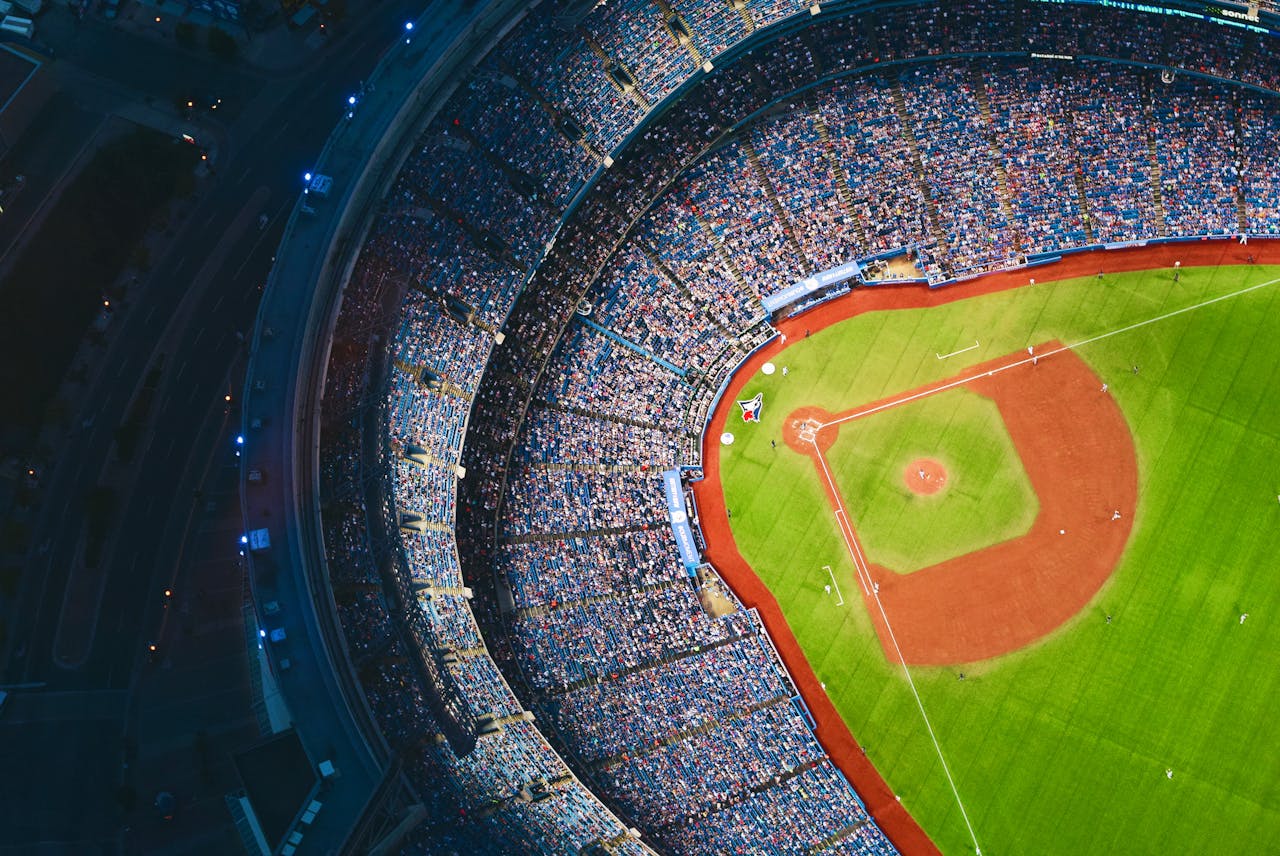
Stadium and arena 3D scanning is one of the highest-value applications in the scanning industry, with combined interior and exterior projects ranging from $25,000 to $150,000 or more depending on scope and deliverables. If you are planning a stadium renovation, digital twin initiative, or facility documentation project, understanding the cost drivers is essential for accurate budgeting.
This guide breaks down what stadium scanning actually costs in 2026, what drives the price, and how to structure a project to get the best value from your investment.
What Drives Stadium Scanning Costs
Stadium scanning costs are determined by a combination of factors that are fundamentally different from scanning a typical commercial building. The sheer scale of these facilities — often spanning 50,000 to 100,000+ square meters of interior and exterior space — creates unique complexity that directly affects project pricing.
The primary cost drivers for stadium scanning projects are:
- Facility size and complexity: A 20,000-seat college arena is a very different project from a 75,000-seat NFL stadium with retractable roof
- Number of scan positions required: A major stadium interior can require 2,000 to 5,000+ individual scan positions to capture all spaces. The Elland Road Stadium project, for example, required 5,250 scan positions across interiors and exteriors.
- Interior vs exterior scope: Most stadium projects include both, but they use different equipment and methodologies
- Deliverable requirements: Raw point clouds cost less than registered, colorized datasets. BIM-ready data costs more than visualization-only outputs.
- Access and scheduling: Scanning during off-season allows continuous work. Mid-season scanning requires working around events, which extends the timeline.
Interior Scanning Costs
Interior scanning is typically the most expensive component of a stadium project. This covers concourses, seating bowls, locker rooms, press boxes, suites, mechanical rooms, loading docks, and back-of-house areas.
Equipment Used
Interior stadium scanning uses a combination of terrestrial laser scanners and mobile mapping systems:
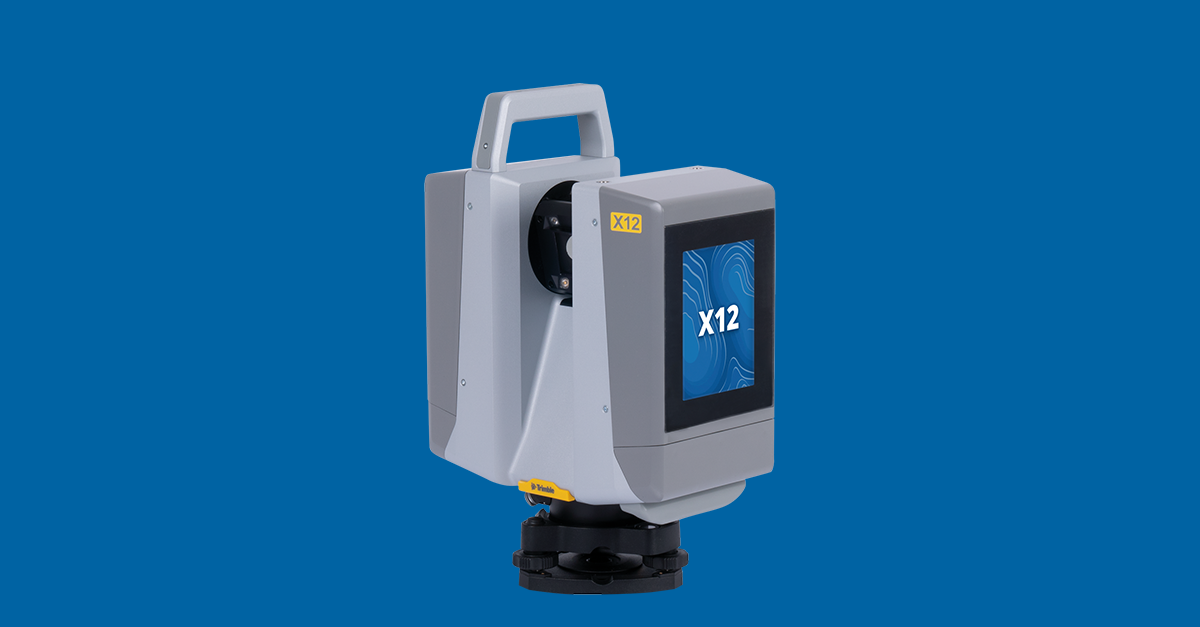
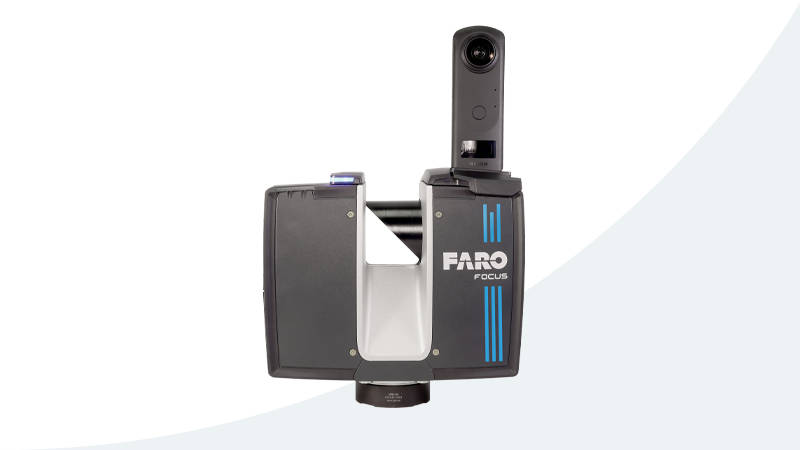
- Terrestrial laser scanners (Trimble X12, Leica RTC360, FARO Focus Premium): High-accuracy static scanning at 2-5mm accuracy. Each scan position takes 2-5 minutes. These are used for areas requiring precise dimensional data — structural elements, MEP systems, seating geometry.
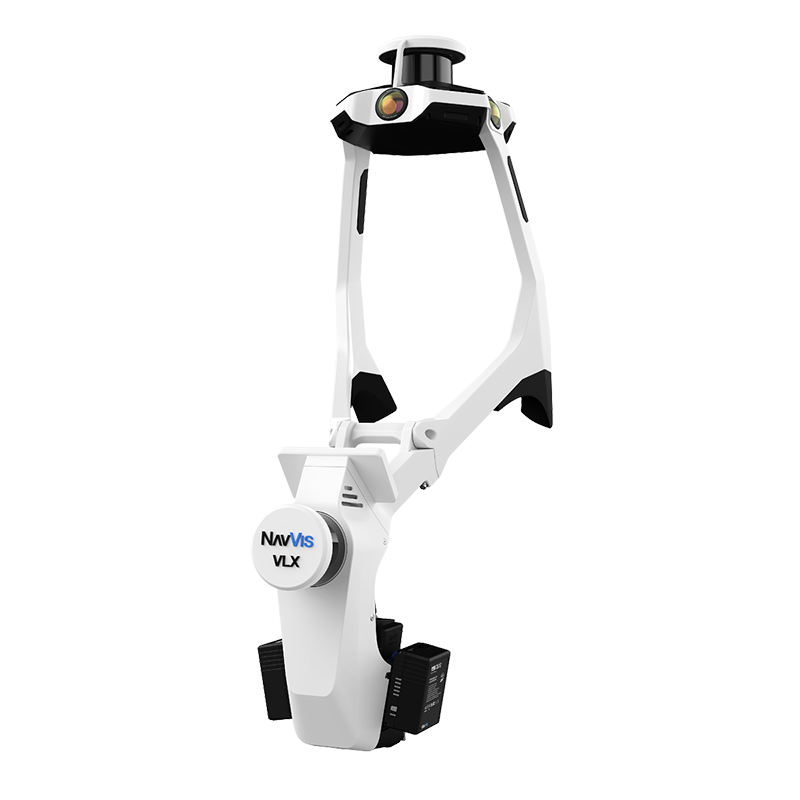
- Mobile mapping systems (NavVis VLX3): Wearable scanners that capture data while walking. Lower accuracy than static scanners but dramatically faster for large open areas like concourses and parking structures.
Interior Pricing Ranges
| Project Scope | Typical Cost | Timeline |
|---|---|---|
| Single level or zone (concourse only) | $10,000–$25,000 | 2–4 days |
| Full interior (all public + BOH spaces) | $40,000–$80,000 | 1–3 weeks |
| Complete interior with MEP detail | $60,000–$100,000+ | 2–4 weeks |
These ranges assume a mid-sized venue (30,000-60,000 seats). Larger or more complex facilities push toward the higher end.
What Increases Interior Costs
- MEP documentation: Scanning mechanical, electrical, and plumbing systems in mechanical rooms and ceiling spaces adds significant scan positions and registration time
- Multiple levels: A stadium with 3-4 concourse levels, suites, and below-grade spaces requires substantially more scan positions than a single-bowl venue
- Existing conditions complexity: Older stadiums with decades of renovation layers — added ductwork, modified structural elements, non-standard layouts — require more scan positions to capture all conditions
- Occupied areas: Scanning around tenants, retail spaces, or active operations adds scheduling complexity
Aerial Exterior Scanning Costs
Aerial scanning covers the stadium exterior — roof structure, facade, surrounding site, parking areas, and landscape. This is typically done with drone LiDAR and photogrammetry.
Equipment Used
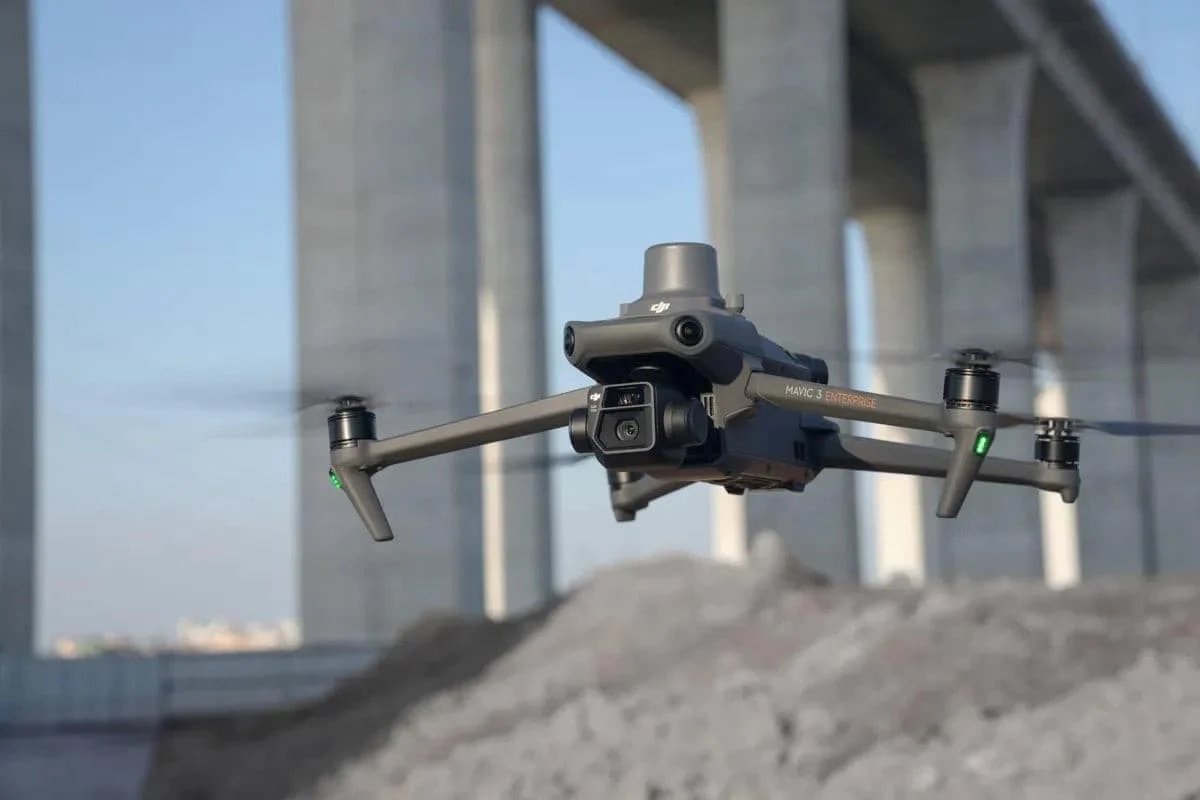
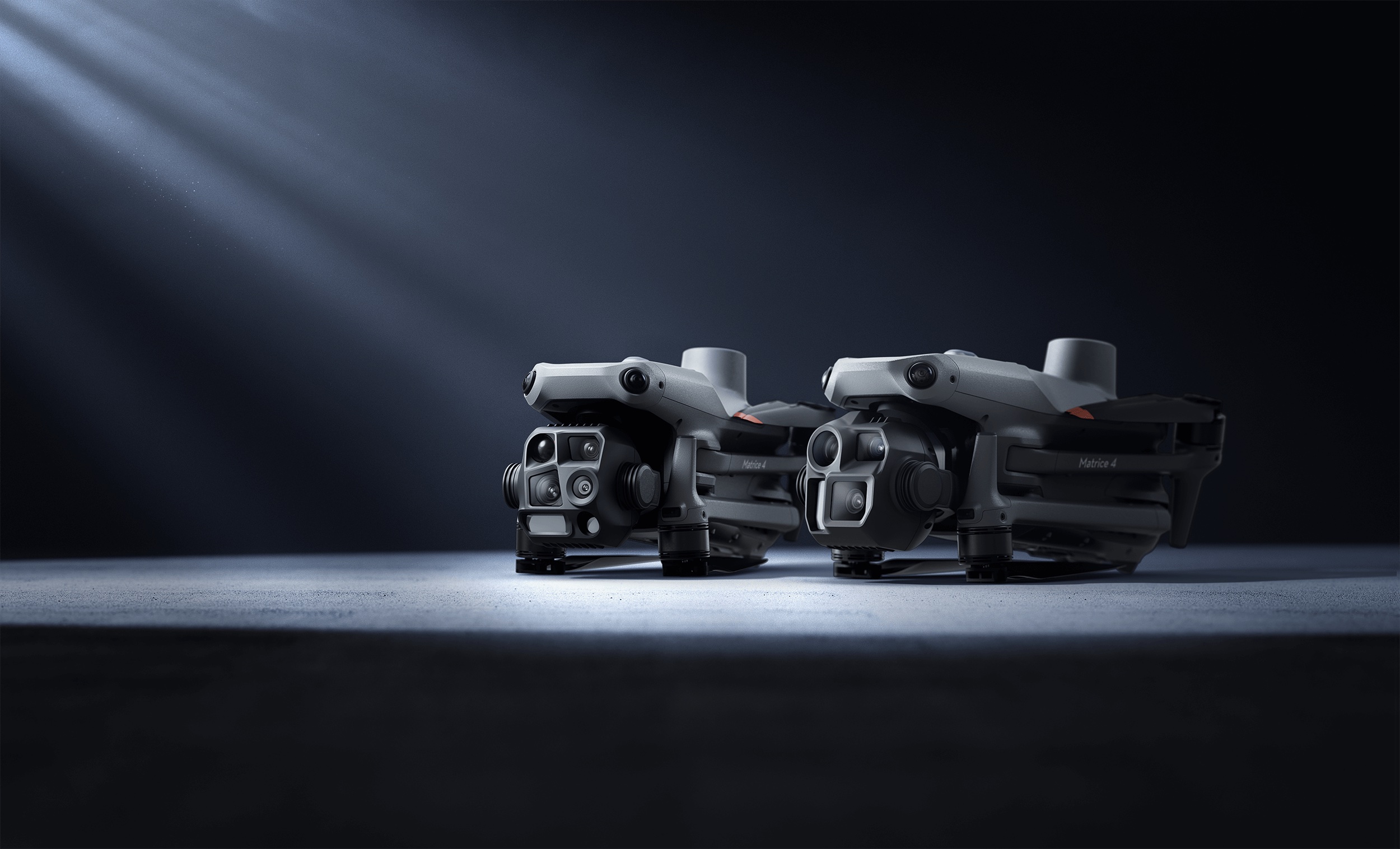
- DJI Matrice 4E + Zenmuse L3: LiDAR payload capturing 5 returns per pulse at up to 250m range. Produces dense point clouds that penetrate vegetation and capture structural details on roof systems.
- DJI Matrice 4E + Zenmuse P1: 45MP full-frame photogrammetry payload for high-resolution exterior visual documentation and orthomosaic mapping.
- RTK/PPK positioning: Centimeter-accurate georeferencing for survey-grade deliverables.
Aerial Pricing Ranges
| Project Scope | Typical Cost | Timeline |
|---|---|---|
| Roof and immediate exterior only | $3,000–$8,000 | 1 day |
| Full exterior + surrounding site (5-10 acres) | $8,000–$15,000 | 1–2 days |
| Extended campus (parking, access roads, 20+ acres) | $15,000–$25,000+ | 2–3 days |
Aerial scanning is substantially less expensive than interior work because drones cover large areas quickly. A stadium roof and surrounding site can typically be captured in a single day of flying.
What Increases Aerial Costs
- Airspace restrictions: Stadiums near airports may require FAA waivers and additional flight planning
- Retractable roofs: Open and closed configurations may both need scanning
- Site size: Campus-wide surveys covering parking, access infrastructure, and surrounding landscape increase flight time
- Multiple deliverable formats: Combining LiDAR point clouds with photogrammetric orthomosaics adds processing time
Combined Project Estimates
Most stadium scanning projects combine interior and exterior work into a single engagement. This is more cost-effective than running separate projects because the field team is already mobilized, control networks are established, and data registration is streamlined.
Combined Project Pricing
| Project Type | Typical Cost | What’s Included |
|---|---|---|
| Basic documentation | $25,000–$50,000 | Key interior areas + exterior shell, raw point clouds |
| Comprehensive survey | $50,000–$100,000 | Full interior + exterior, registered point clouds, deliverable processing |
| Complete digital twin | $80,000–$150,000+ | All spaces, MEP detail, BIM-ready data, visualization outputs |
The wide range reflects the enormous variability in stadium projects. A 15,000-seat college arena with straightforward geometry might fall at $30,000 for a comprehensive survey. A 75,000-seat NFL stadium with retractable roof, multiple concourse levels, and complex MEP systems could exceed $150,000.
How to Reduce Costs Without Cutting Quality
- Define scope precisely: Know exactly which spaces need scanning before the field team arrives. Undefined scope leads to scope creep and additional mobilization costs.
- Schedule during off-season: Continuous access allows the field team to work efficiently without interruptions, reducing the number of days on site.
- Start with critical areas: If budget is limited, scan the areas driving the immediate project need — renovation zones, structural assessment areas, MEP corridors — and expand later.
- Specify deliverables upfront: Point cloud delivery is less expensive than BIM-ready data. Know what your downstream team needs before specifying deliverables.
What Affects Your Quote
Beyond the major cost drivers above, several factors affect the final price of a stadium scanning project:
Timeline Pressure
Rush projects cost more. If you need data within 2 weeks of field work, expect a premium for accelerated processing. Standard processing timelines of 3-4 weeks allow for careful registration and quality control.
Geographic Location
Travel and per diem costs add to projects outside major metropolitan areas. For stadiums in remote or international locations, mobilization costs can add $5,000-$15,000 to the project total.
Accuracy Requirements
Survey-grade accuracy (±2mm) requires more scan positions, more control network points, and more processing time than visualization-grade accuracy (±10mm). Know your accuracy requirements before requesting a quote.
Deliverable Format
| Deliverable | Additional Cost | Use Case |
|---|---|---|
| Raw point clouds (E57, LAS) | Included | Engineering, design reference |
| Registered and colorized point cloud | +$5,000–$15,000 | Facility management, visualization |
| 2D floor plans from scan data | +$3,000–$10,000 | Architecture, space planning |
| BIM-conversion-ready scan data | +$10,000–$25,000 | Renovation design, digital twin |
Cost Comparison: Stadium Scanning vs Traditional Survey
Traditional survey methods for stadium documentation rely on total stations, tape measures, and manual field notes. While these methods are lower in upfront cost per day, they take dramatically longer for the same scope of work:
| Method | Stadium Interior (Full) | Stadium Exterior | Total Time | Total Cost |
|---|---|---|---|---|
| Traditional survey | 4–8 weeks | 1–2 weeks | 5–10 weeks | $40,000–$80,000 |
| 3D laser scanning | 1–3 weeks | 1–2 days | 1.5–3.5 weeks | $50,000–$100,000 |
| Hybrid (scanning + survey) | 1–2 weeks | 1–2 days | 1.5–2.5 weeks | $45,000–$90,000 |
The scanning approach delivers far more data — a complete 3D record of every surface, not just measured points — in a fraction of the time. For renovation projects where unexpected field conditions are common, the comprehensive coverage of 3D scanning prevents costly rework.
How to Get an Accurate Quote
The most common mistake in stadium scanning budgeting is underestimating scope. Every stadium has more scannable space than it appears — mechanical rooms, utility tunnels, elevator shafts, broadcasting infrastructure, and event staging areas all add to the project.
To get an accurate quote:
- Provide building plans — even outdated plans help the scanning team estimate scan positions
- Define the purpose — renovation, digital twin, structural assessment, or event production planning each require different approaches
- Identify access constraints — event schedules, security zones, occupied tenant spaces
- Specify deliverables — point clouds, floor plans, BIM-ready data, or visualization models
- Share your timeline — rush vs standard processing significantly affects cost
Use our niche project cost estimator for an initial budget range, then request a detailed quote tailored to your specific venue.
Frequently Asked Questions
How much does it cost to 3D scan a stadium? Combined interior and exterior stadium scanning typically costs $25,000 to $150,000+, depending on venue size, scope, and deliverable requirements. Smaller arenas (under 30,000 seats) start around $25,000. Major NFL or FIFA-class stadiums with complete interior coverage can exceed $150,000. See our detailed answer for more.
How long does a stadium scanning project take? Field work takes 1-3 weeks for interior scanning and 1-2 days for aerial exterior scanning. Processing and deliverable preparation adds 2-4 weeks. Total project timeline from field start to final deliverables is typically 4-8 weeks.
What equipment is used for stadium scanning? Stadium projects use a combination of terrestrial laser scanners (Trimble X12, Leica RTC360, FARO Focus Premium), mobile mapping systems (NavVis VLX3), and drone LiDAR/photogrammetry platforms (DJI Matrice 4E with Zenmuse L3 or P1 payloads). Learn more in our equipment guide.
Is stadium scanning worth the investment? For renovation projects, 3D scanning prevents rework that can cost $100,000+ per incident. For facility management, digital twins reduce emergency response time and improve maintenance scheduling. The ROI is strongest when scan data serves multiple downstream uses — design, construction, operations, and event production.
Can you scan a stadium during the season? Yes, but it adds complexity and cost. Scanning must be scheduled around events, which extends the timeline and may require multiple mobilizations. Off-season scanning is more cost-effective and allows continuous access to all areas.
For a detailed introduction to stadium scanning methodology and use cases, see our Stadium Scanning Guide. Ready to get started? Request a quote or explore our stadium scanning services.
Ready to Start Your Project?
Get a free quote and consultation from our 3D scanning experts.
Get Your Free Quote