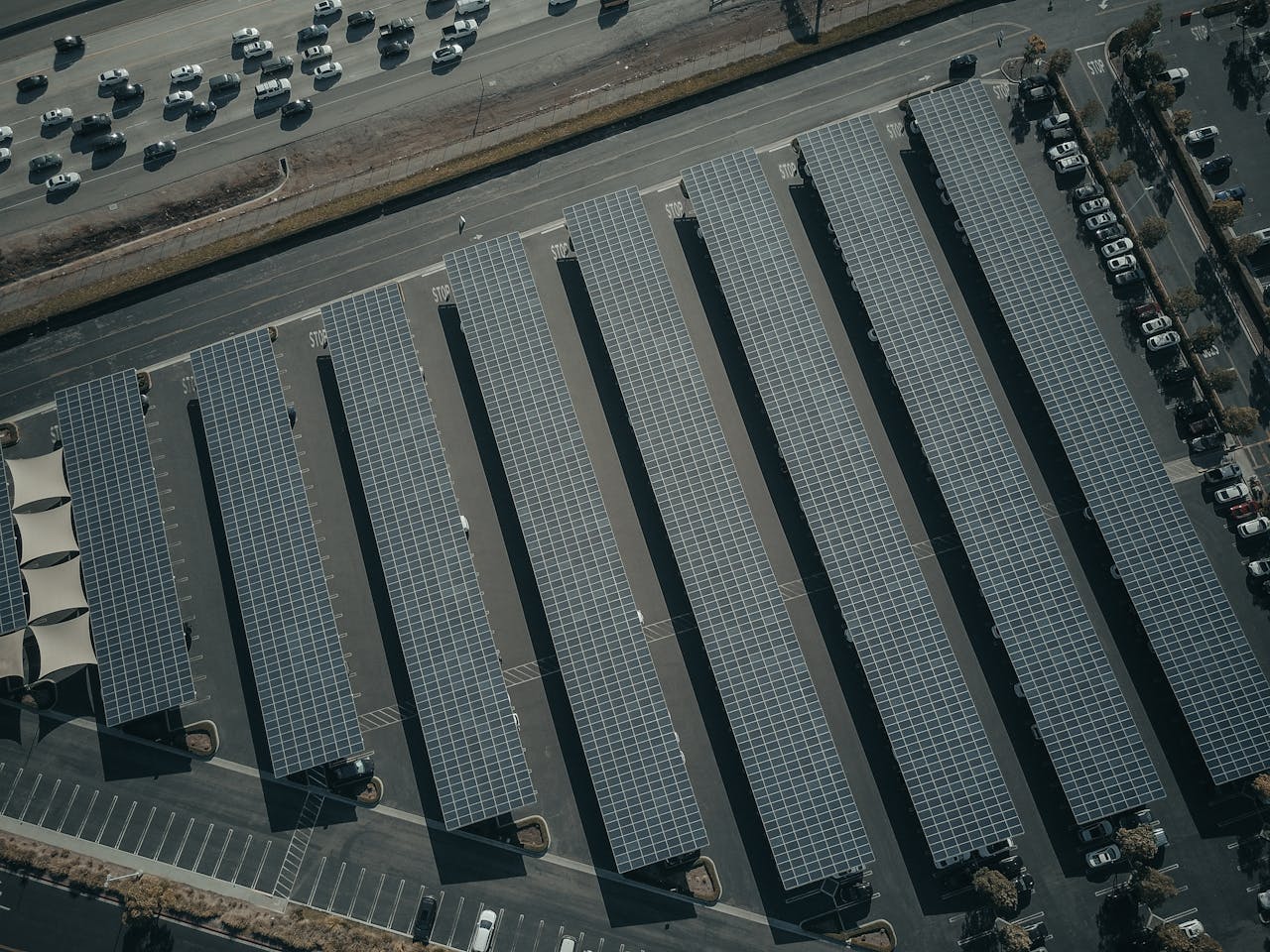
Solar farm drone inspection has transformed from an emerging technology into an operational standard. At 50-100 MW of coverage per day, a single drone crew replaces weeks of manual panel-by-panel inspection — detecting 17% more faults while reducing inspection costs and downtime.
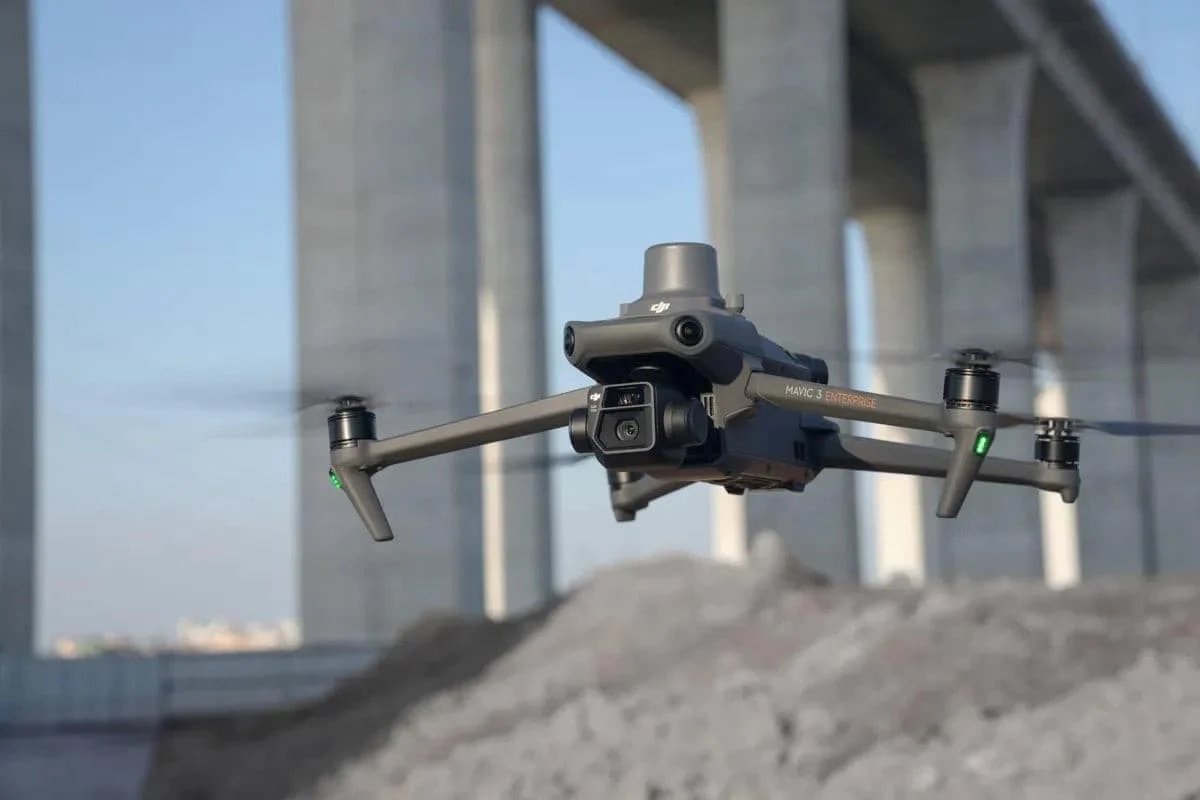
This is thermal and visual inspection, not LiDAR. The drone carries a thermal infrared camera alongside a standard RGB camera, capturing heat signatures that reveal electrical faults invisible to the naked eye. The combination of thermal and visual data, processed through AI classification software, produces a comprehensive fault map of the entire installation in a fraction of the time and cost of traditional methods.
The Scale of Modern Solar Farm Inspection
Manual Inspection: The Baseline Problem
Manual solar panel inspection involves a technician walking the rows with a handheld thermal camera, examining each panel individually. For a utility-scale installation:
- A 50 MW farm may contain 150,000-200,000+ individual panels
- Manual inspection of 200,000 panels takes 4-8 weeks with a multi-person crew
- Technicians working in 40°C+ ambient temperatures face heat stress and fatigue
- Fault detection rates decline as inspectors tire through long days of repetitive work
Drone Inspection: The Modern Standard
A thermal drone survey of the same 50 MW farm takes 1-2 days:
- The drone flies systematic grid patterns at 20-40m altitude
- Thermal and RGB cameras capture every panel simultaneously
- AI software classifies faults automatically from the thermal imagery
- The complete fault map is delivered within days of the survey
The speed advantage is dramatic — a single drone crew covers in hours what a ground team covers in weeks.
Thermal + Visual Inspection Technology
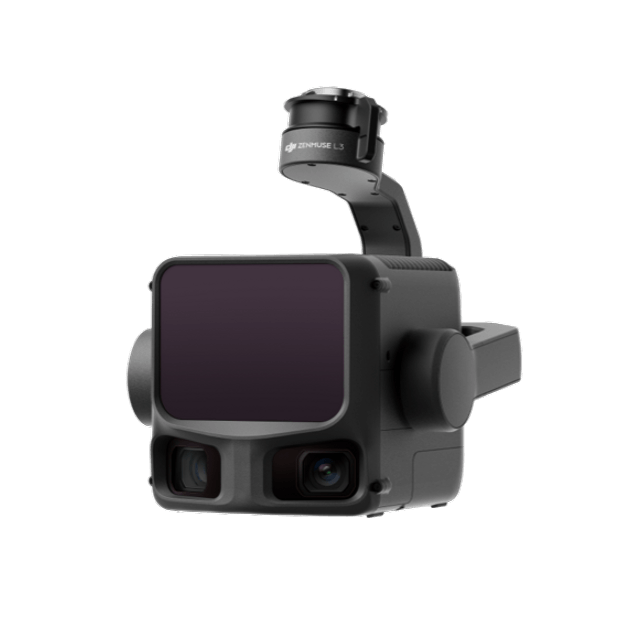
Solar panel drone inspection uses two sensor types simultaneously:
Thermal Infrared Camera
The thermal camera detects temperature differences across the panel surface. Electrical faults generate heat — a hotspot on a thermal image indicates a cell, string, or connection that is not performing correctly.
Common thermal anomalies include:
- Hot spots: Individual cells or cell groups significantly hotter than surrounding area
- Hot strings: An entire cell string at elevated temperature (bypass diode failure)
- Full panel overheating: Entire panel at elevated temperature (connection fault or severe degradation)
- Sub-string patterns: Regular patterns within a panel indicating specific fault modes
RGB Visual Camera
The visual camera captures the physical condition of each panel:
- Glass cracking or delamination
- Frame damage
- Soiling and debris accumulation
- Vegetation shading
- Visible wiring faults
Combined Analysis
The most powerful analysis combines thermal and visual data:
- A thermal hotspot with visible glass cracking → physical damage causing electrical fault
- A thermal pattern across multiple panels in a row → likely string-level inverter issue
- A cool panel surrounded by warm panels → disconnected or failed panel
- Thermal patterns that align with shadow edges → shading-induced mismatch, not a fault
17% More Faults Detected Than Manual Inspection
Studies comparing drone thermal inspection to manual inspection consistently show a detection advantage for drone methods:
- Manual inspection detects faults visible from close range — hotspots, visible damage, obvious soiling
- Drone inspection detects the same faults plus systematic patterns that are invisible at panel level — row-level thermal gradients, sub-array performance differences, and intermittent faults that manifest differently in aerial thermal signatures
The 17% improvement comes primarily from:
- Complete coverage: Drones inspect every panel. Manual inspectors may skip or rush through areas.
- Consistent sensitivity: The thermal camera detects the same temperature threshold on the 100,000th panel as on the 1st. Human sensitivity declines with fatigue.
- Pattern recognition: AI software identifies fault patterns across the entire installation that are invisible at the individual panel level.
- Timing consistency: Drone surveys are conducted during consistent irradiance conditions. Manual surveys span weeks, with varying conditions affecting thermal signatures.
AI-Powered Anomaly Classification
Modern drone inspection platforms use AI to classify thermal anomalies automatically:
Classification Categories
AI software like Sitemark classifies 25+ anomaly types including:
- Hotspot (cell-level, string-level, panel-level)
- Bypass diode failure
- Potential-induced degradation (PID)
- Delamination
- Soiling patterns
- Shading anomalies
- String failures
- Inverter-level performance issues
Processing Speed
AI classification processes a 50 MW inspection dataset in under 60 minutes, producing:
- Georeferenced fault map with every anomaly pinned to its exact location
- Priority classification (critical, high, medium, low)
- Estimated power loss per fault
- Recommended remediation actions
- Exportable work orders for maintenance teams

Regulations and Compliance
Solar farm drone operations fall under specific regulatory requirements:
FAA Part 107
All commercial drone operations in the US require:
- Part 107 Remote Pilot Certificate for the drone operator
- Operations below 400 feet AGL (well above typical 20-40m inspection altitude)
- Visual line of sight (VLOS) maintained during operations
- No flight over non-participating persons (typically not an issue on solar farms)
BVLOS Operations (Part 108)
Utility-scale solar farms may extend beyond visual line of sight distance. Operations beyond VLOS require:
- BVLOS waiver or Part 108 authorization
- Additional safety mitigations (detect-and-avoid systems, ground observers)
- Approved operational procedures for the specific site
NDAA Compliance
Federal and utility solar projects increasingly require NDAA-compliant drone equipment:
- DJI drones may not meet NDAA requirements for some federal-adjacent projects
- NDAA-compliant alternatives (Skydio, Autel) are available for restricted sites
- Check project requirements before selecting equipment
Equipment for Solar Inspection
| Component | Specification | Purpose |
|---|---|---|
| DJI Matrice 4T | Dual thermal + visual | Primary inspection platform |
| Thermal camera | 640×512 radiometric | Fault detection |
| RGB camera | 48MP wide-angle | Visual condition assessment |
| RTK module | Centimeter positioning | Panel-level geolocation |
| Processing software | Sitemark, Raptor Maps, or similar | AI fault classification |
Why Thermal, Not LiDAR
Solar panel inspection uses thermal imaging to detect electrical faults through heat signatures. LiDAR measures surface geometry — useful for terrain mapping and site design, but not for detecting the electrical faults that are the primary concern of panel inspection. The two technologies serve different purposes:
- Thermal drone inspection → Operational performance monitoring, fault detection
- LiDAR drone survey → Site design, terrain assessment, panel layout optimization (pre-construction)
1 MWp in 8 Minutes: The Speed Advantage
At standard inspection parameters (30m altitude, 5 m/s flight speed, 80% overlap), a thermal drone survey covers approximately 1 MWp of installed capacity every 8 minutes. This translates to:
| Farm Size | Panels (approx.) | Drone Survey Time | Manual Inspection Time |
|---|---|---|---|
| 10 MW | ~30,000 | 2-3 hours | 1-2 weeks |
| 50 MW | ~150,000 | 1-2 days | 4-8 weeks |
| 100 MW | ~300,000 | 2-3 days | 2-4 months |
| 500 MW | ~1,500,000 | 1-2 weeks | 6-12 months |
The speed advantage means that drone inspection can be performed quarterly or even monthly — catching degradation and new faults before they significantly impact energy production.
Frequently Asked Questions
How much does solar farm drone inspection cost? Typical costs range from $50-$150 per MW for thermal drone inspection with AI fault classification. A 50 MW farm inspection costs approximately $2,500-$7,500 — a fraction of the revenue loss from undetected faults. Use our cost estimator for guidance.
When is the best time to inspect solar panels? Thermal inspection is most effective during peak irradiance hours (10 AM - 2 PM) when panels are under full electrical load. Cloud-free days with irradiance above 600 W/m² produce the clearest thermal signatures. Avoid immediately after rain (evaporative cooling masks thermal faults).
How often should solar farms be inspected? Annual thermal inspection is the minimum standard. Quarterly inspection is recommended for utility-scale installations where revenue impact of undetected faults is significant. Monthly inspection may be justified for installations with known quality issues.
Can drone inspection replace manual inspection entirely? Drone inspection replaces the detection phase of manual inspection. Remediation — replacing faulted panels, fixing connections, cleaning soiling — still requires ground crews. The drone identifies what needs fixing; technicians fix it.
Explore our solar panel drone inspection services and drone inspection capabilities. Learn more about solar farm inspection methodology.
Ready to Start Your Project?
Get a free quote and consultation from our 3D scanning experts.
Get Your Free Quote