The 2026 FIFA World Cup is the largest sporting event ever organized in North America, spanning 16 host stadiums across the United States, Canada, and Mexico. For venue operators, security teams, and broadcast production companies, the preparation timeline has already begun — and 3D scanning is at the center of it.
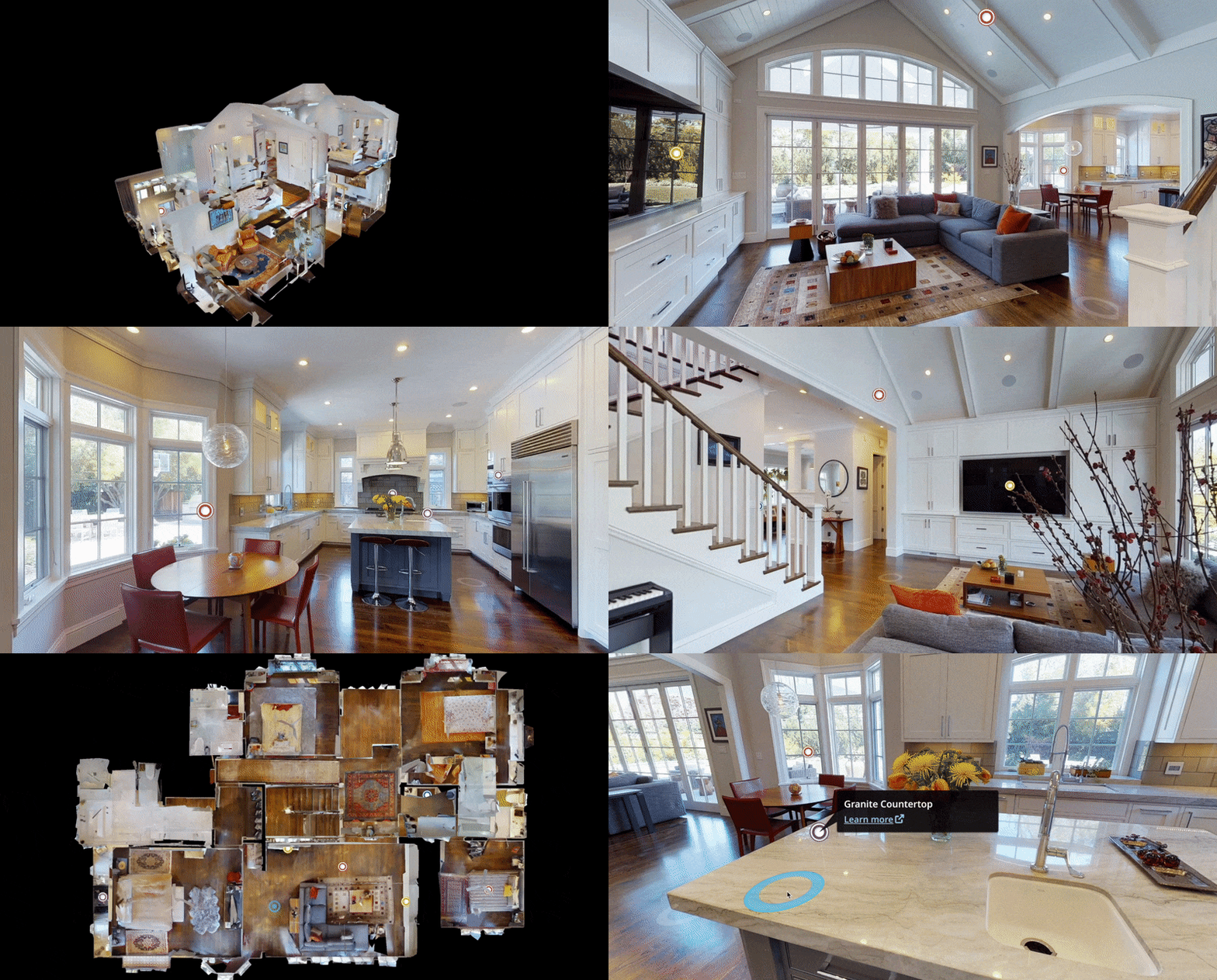
A stadium digital twin is a precise, measurement-grade 3D model of the entire facility — interior and exterior — built from laser scanning and drone survey data. For World Cup-scale events, digital twins are not a luxury. They are an operational necessity for security planning, crowd management, broadcast infrastructure, and facility renovation.
The FIFA 2026 Digital Twin Opportunity
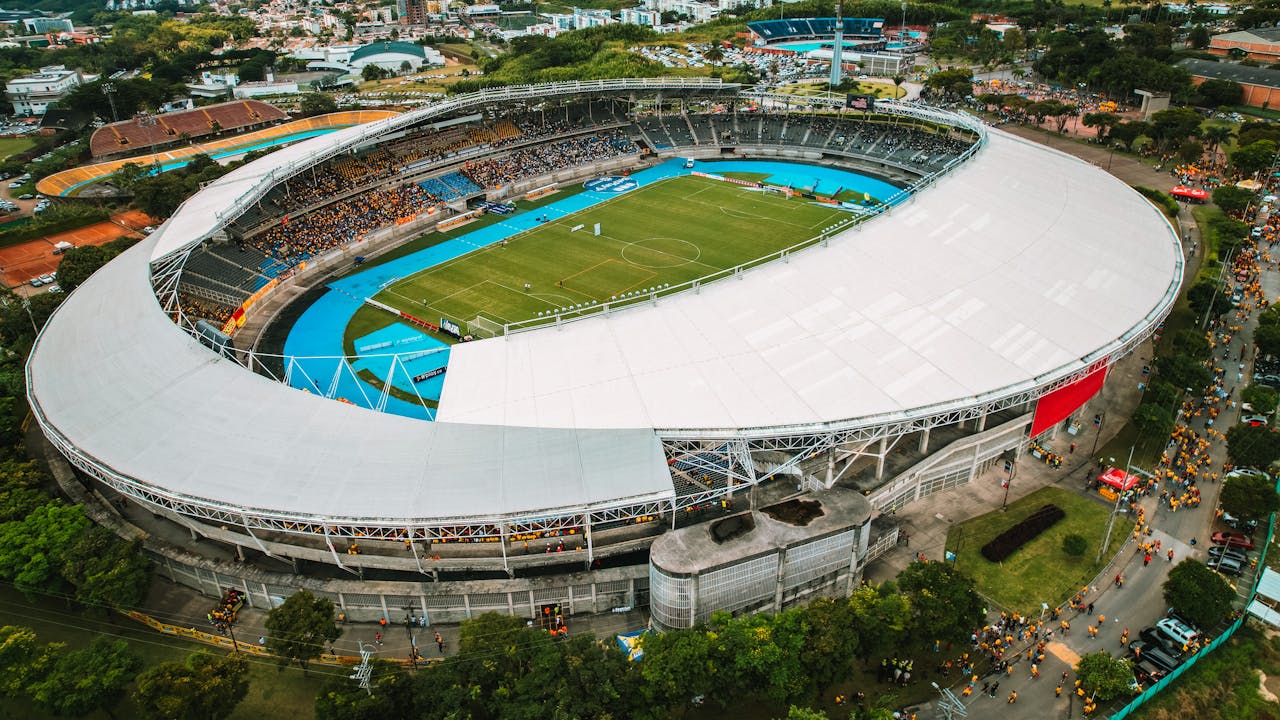
The 2026 World Cup is spread across three countries and 16 venues, including MetLife Stadium (New Jersey), SoFi Stadium (Los Angeles), AT&T Stadium (Dallas), Hard Rock Stadium (Miami), and Estadio Azteca (Mexico City). Each venue must meet FIFA’s infrastructure requirements for match operations, media, hospitality, security, and broadcast.
For many of these stadiums, the World Cup represents the most complex event they have ever hosted. The operational demands — temporary overlay structures, expanded media positions, enhanced security zones, modified crowd flow patterns — require precise knowledge of existing conditions that traditional floor plans cannot provide.
This is where digital twins built from 3D scan data become essential. A complete scan of the facility captures:
- Seating geometry: Exact bowl dimensions, sightlines, and ADA compliance verification
- Structural systems: Column locations, beam clearances, roof structure, load-bearing elements
- MEP infrastructure: HVAC distribution, electrical panels, fire suppression, plumbing risers
- Circulation paths: Concourse widths, stairwell dimensions, elevator locations, gate counts
- Back-of-house: Loading docks, storage areas, team facilities, broadcast compounds
- Exterior site: Parking, perimeter fencing, entry control points, transportation hubs
Security and Crowd Simulation
Security planning for a World Cup match is fundamentally different from a regular-season NFL game. Crowd densities are higher, international media presence creates additional access control requirements, and the threat profile demands comprehensive venue awareness.
How Digital Twins Support Security Operations
A 3D digital twin allows security teams to:
- Model crowd flow scenarios: Simulate ingress and egress patterns at different capacity levels to identify bottlenecks before match day
- Plan camera placements: Position surveillance cameras in 3D space to verify coverage angles and eliminate blind spots
- Verify sightlines: Confirm that security observation posts have unobstructed views of their assigned zones
- Map entry control points: Document exact dimensions of security screening lanes to calculate throughput capacity
- Plan emergency evacuation: Model multiple evacuation routes and calculate time-to-clear for each stadium section
Next-generation AI security systems — like the Evolv Express Gen2 weapons detection portals being deployed at major venues — require precise installation planning. The dimensional data from 3D scans ensures these systems integrate correctly with existing entry infrastructure.
Command Center Dashboards
Several NFL and European football clubs now operate real-time command centers that overlay operational data onto 3D venue models. During match operations, these dashboards display:
- Live crowd density by section
- Security incident locations in 3D space
- Medical response team positions
- Structural monitoring alerts (for older venues with sensor networks)
Building these command center applications requires a dimensionally accurate 3D model as the base layer — exactly what stadium scanning delivers.
Renovation Planning with 3D Data
Many of the 2026 host stadiums are undergoing or have recently completed significant renovations to meet FIFA standards. These renovations often involve:
- Temporary overlay structures (hospitality areas, media centers, mixed zones)
- Modified seating configurations (FIFA requires specific seat counts and configurations)
- Enhanced broadcast infrastructure (additional camera positions, cable routing, commentary booths)
- Expanded hospitality facilities (FIFA VIP areas, sponsor activation zones)
- Accessibility improvements (FIFA’s accessibility requirements often exceed local building codes)
For every one of these modifications, the starting point is accurate existing conditions documentation. Without it, design teams make assumptions about dimensions, clearances, and structural capacity that lead to field conflicts — the single largest source of construction cost overruns.
Pre/Post Renovation Comparison
One of the most valuable applications of digital twins is overlay comparison: scanning before and after renovation to verify that constructed conditions match the design intent. This is particularly critical for:
- Structural modifications: Confirming that new steel or concrete additions align with structural engineering documents
- MEP routing: Verifying that new ductwork, piping, and conduit installations follow the planned routes and maintain required clearances
- Seating bowl changes: Documenting exact as-built sightlines after seat reconfiguration
Real-Time Operations Dashboards
The concept of a “smart stadium” has moved from marketing language to operational reality. Facilities like SoFi Stadium (Los Angeles) and Tottenham Hotspur Stadium (London) operate digital infrastructure that relies on accurate 3D spatial data as the foundation layer.
For FIFA 2026, real-time operational monitoring during matches will include:
- Environmental monitoring: Temperature, humidity, and air quality in enclosed or partially enclosed venues
- Structural monitoring: Load sensors on temporary overlay structures reporting through the 3D model
- Crowd analytics: People-counting systems mapped to 3D space for density management
- Utility management: Power consumption by zone, water systems, waste management logistics
Each of these systems requires a spatial reference framework. A 3D scan-derived digital twin provides that framework with millimeter-level accuracy.
Equipment for Stadium-Scale Digital Twins
Creating a stadium-scale digital twin requires a multi-sensor approach. No single technology can efficiently capture both the vast interior spaces and the surrounding exterior environment.
Terrestrial Laser Scanners
- Trimble X12: Long-range scanning up to 365m with survey-grade accuracy. Used for seating bowls, structural elements, and mechanical rooms where precision is critical.
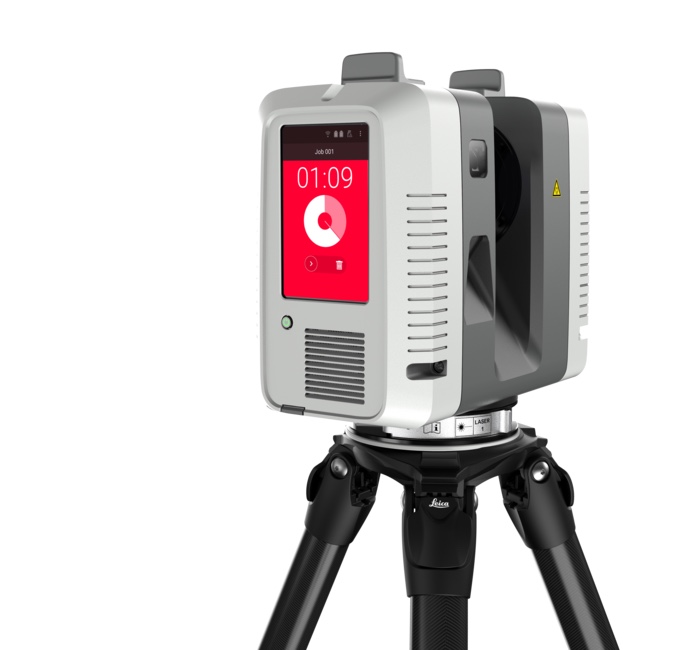
- Leica RTC360: Fast setup with automated registration. Used for systematic area coverage across concourses and back-of-house spaces.
- FARO Focus Premium: Up to 1 million points per second scanning at ranges to 70m. Suited for detailed documentation of complex MEP environments.
Mobile Mapping Systems
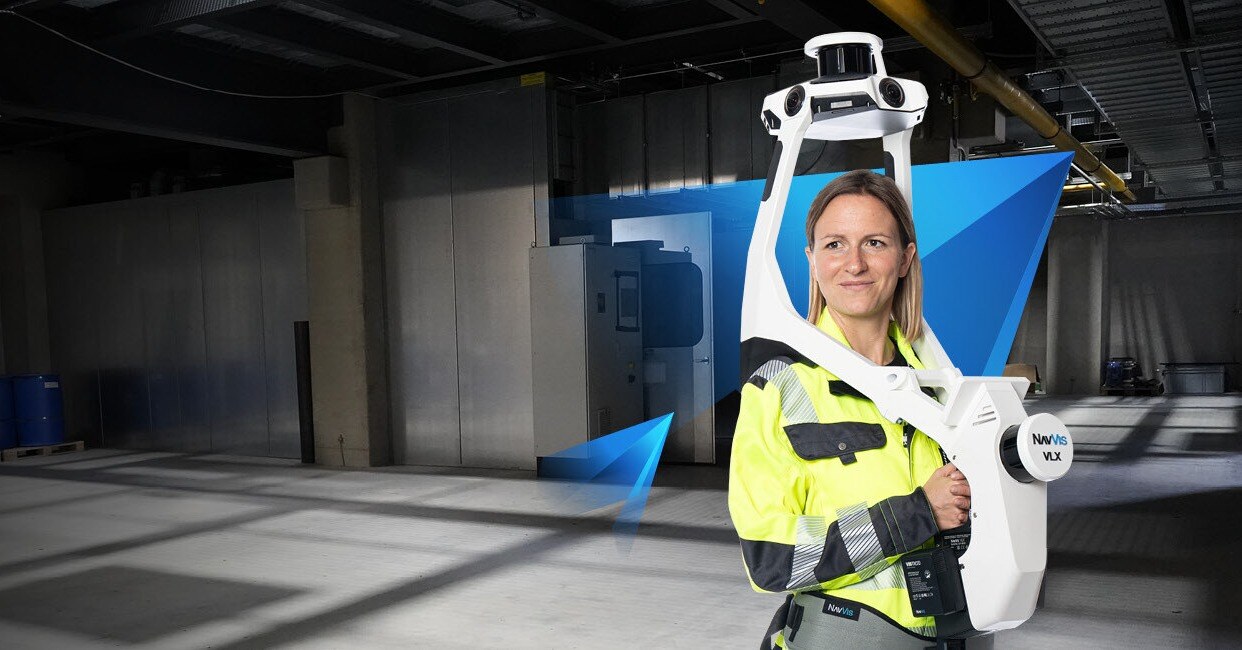
- NavVis VLX3: Wearable mobile scanner that captures data while the operator walks through the space. Dramatically reduces capture time for large, open areas — a concourse that might take 100+ static scan positions can be captured in a single walkthrough.
Drone LiDAR and Photogrammetry
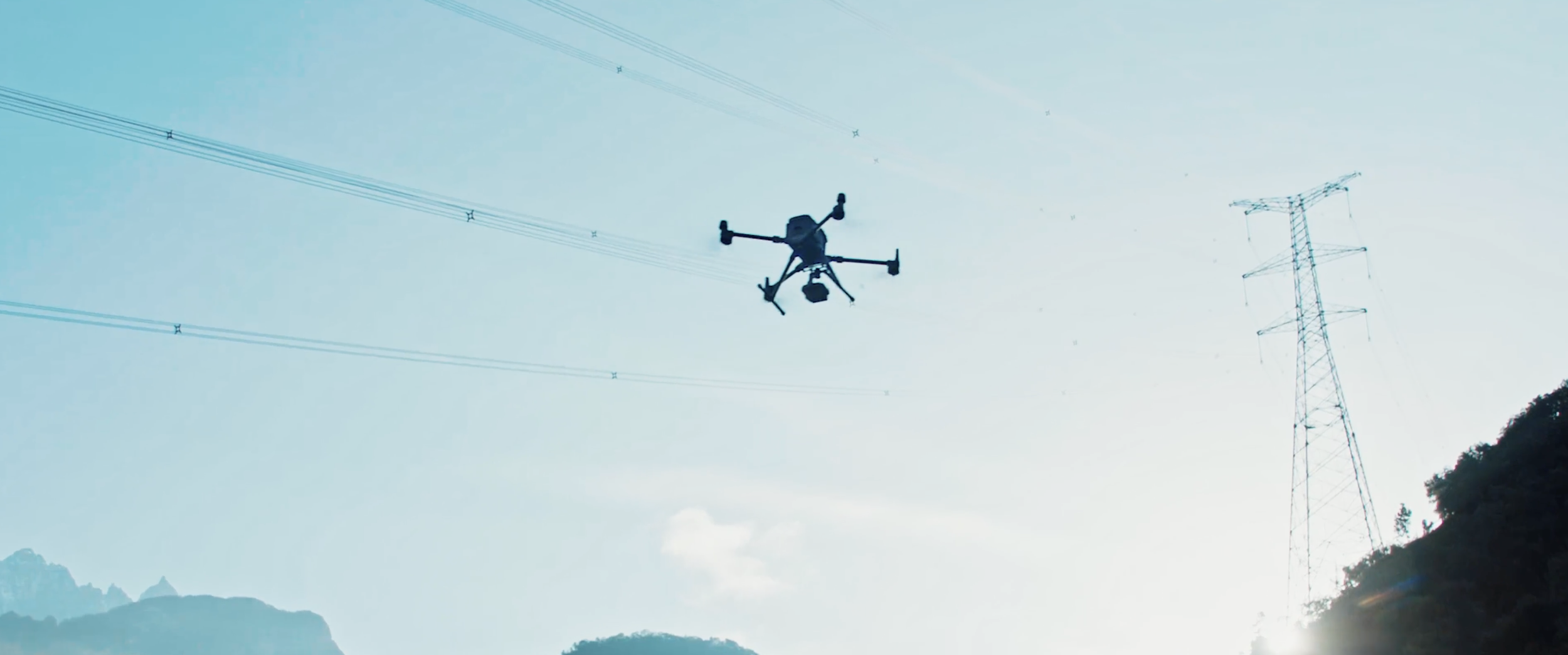
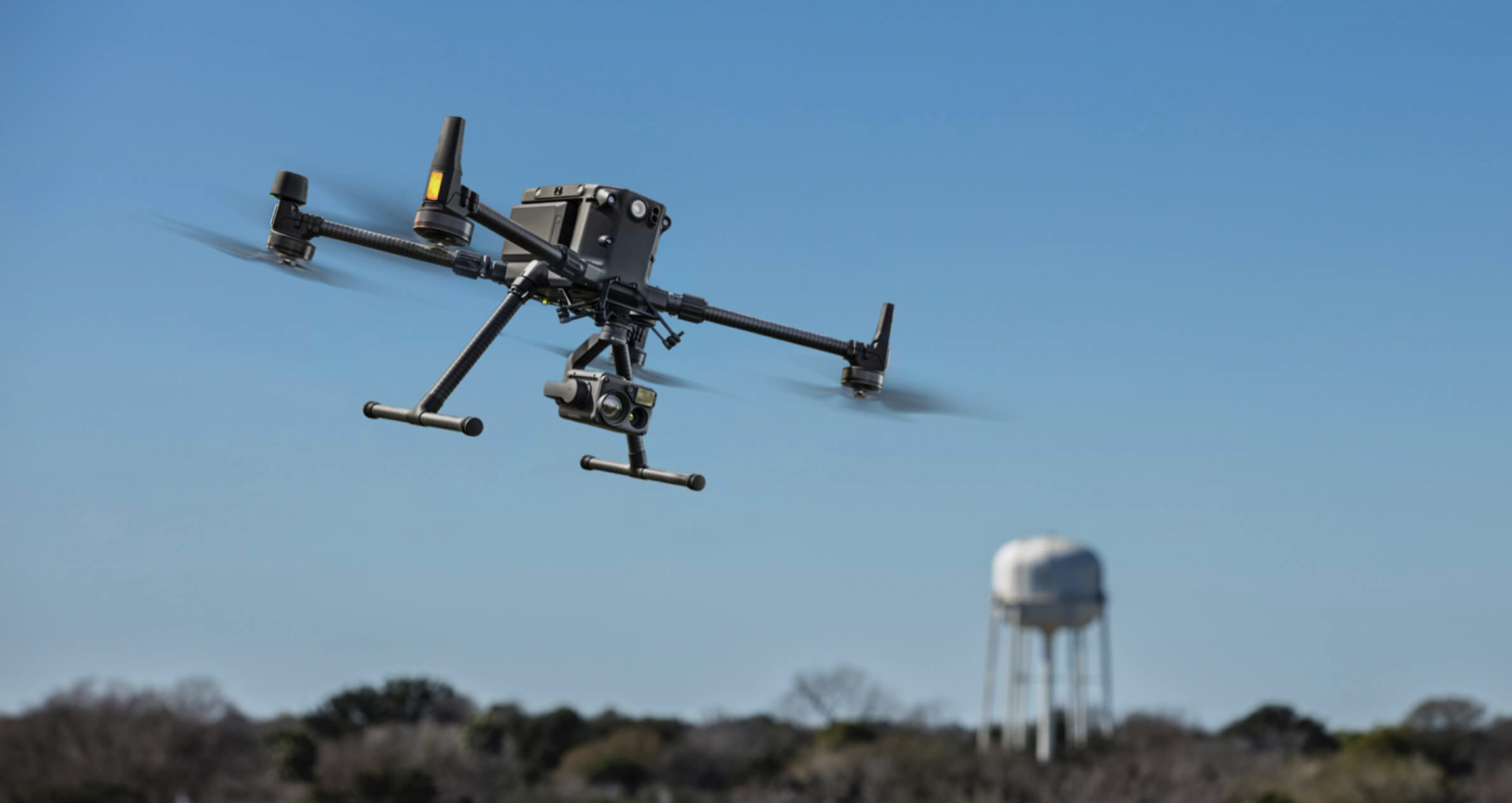
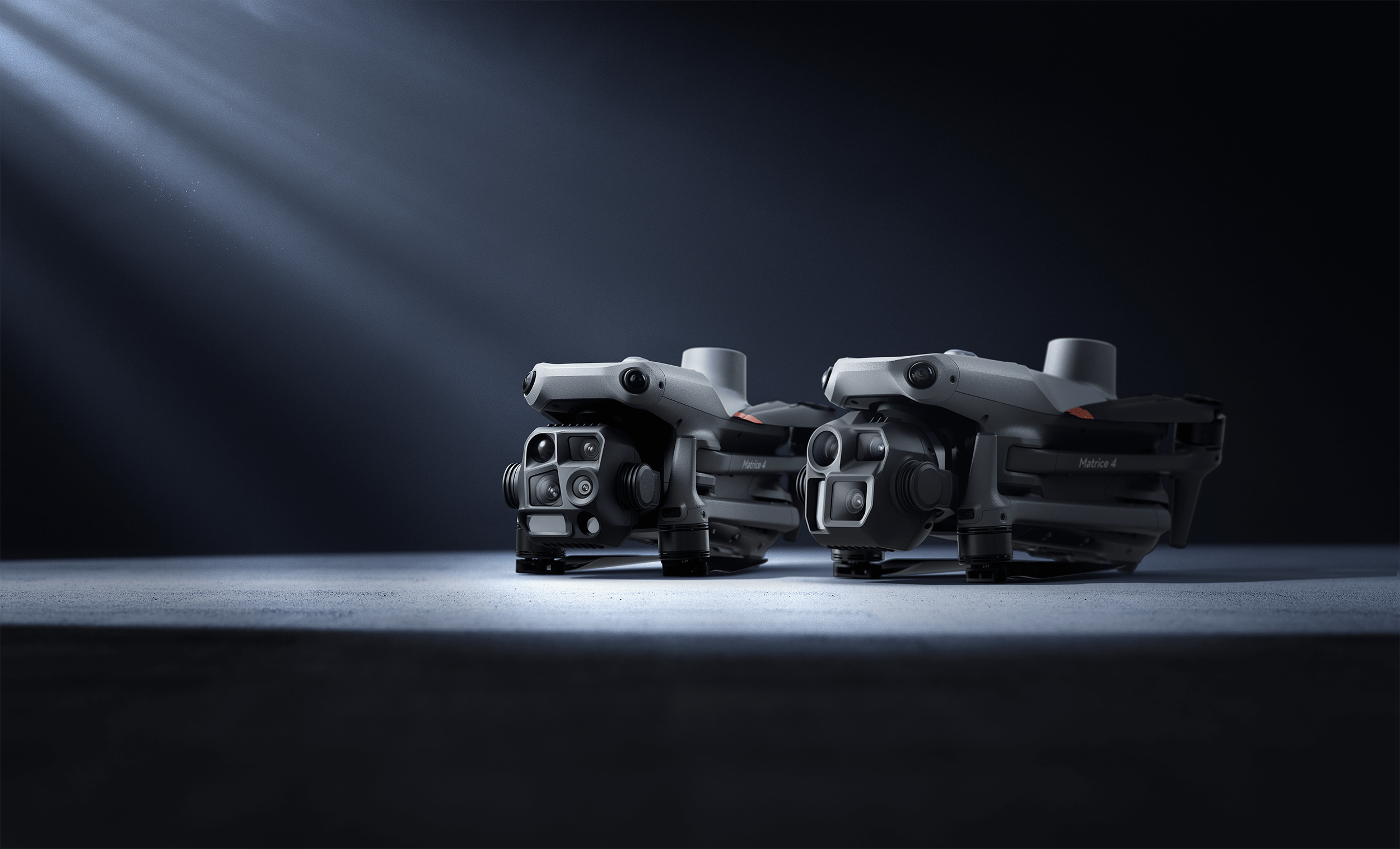
- DJI Matrice 4E + Zenmuse L3: LiDAR payload for exterior structural documentation and site mapping. Captures roof systems, facade details, and surrounding infrastructure.
- DJI Matrice 4E + Zenmuse P1: 45MP photogrammetry for high-resolution visual documentation and orthomosaic mapping of the stadium exterior and campus.
For a comprehensive breakdown of the technology selection process, see our guide on aerial vs terrestrial stadium scanning methods.
Getting Your Stadium Scan-Ready for 2026
If you are responsible for a venue that will host FIFA 2026 matches — or any other major sporting event — the time to begin digital twin development is now. The process from initial scanning to operational digital twin takes 2-4 months depending on facility size and deliverable requirements.
Recommended Timeline
- 12+ months before event: Commission the initial 3D scan and digital twin creation
- 9 months before: Use the digital twin for security planning, broadcast infrastructure design, and overlay structure engineering
- 6 months before: Scan-verify renovations and overlay installations against the design model
- 3 months before: Final scan update to capture as-built conditions for operational use
- Event week: Digital twin serves as the operational base layer for command center applications
What to Include in the Scan Scope
Do not underestimate scope. Every stadium has more scannable space than its seat count suggests:
- All public concourse levels
- Seating bowl from multiple positions
- Suites and premium areas
- Press box and broadcast facilities
- Locker rooms and team facilities
- Loading docks and service corridors
- Mechanical and electrical rooms
- Roof structure (accessible areas)
- Exterior facade and site
- Parking structures and transportation areas
For a complete overview of stadium scanning services, explore our stadium scanning hub page or review our stadium scanning educational guide.
Frequently Asked Questions
How much does a stadium digital twin cost? A complete stadium digital twin — interior scanning, aerial exterior, data processing, and deliverable preparation — typically costs $80,000 to $150,000+ for a major venue. See our stadium scanning cost guide for detailed pricing breakdowns.
How long does it take to create a stadium digital twin? Field scanning takes 1-4 weeks depending on venue size. Processing and digital twin creation adds 4-8 weeks. Total project from scan start to operational digital twin is typically 2-4 months.
Can a digital twin be updated after the initial scan? Yes. Digital twins are designed to be updated. Many facilities schedule annual re-scans to capture modifications, and pre/post renovation scans are standard practice. Incremental updates are less expensive than the initial complete scan.
What file formats are stadium digital twins delivered in? Common deliverable formats include E57 and RCP point clouds for engineering use, Autodesk Revit models for BIM workflows, and web-based viewers for operational access. The specific format depends on the downstream use case.
Do you need to close the stadium for scanning? Not necessarily. Interior scanning can be scheduled during off-hours, and aerial scanning operates independently of interior activities. However, uninterrupted access during off-season or between events is the most efficient approach.
Ready to discuss a stadium digital twin project? Request a quote or explore our full range of stadium scanning services. For budgeting guidance, see our stadium scanning cost guide and niche project cost estimator.
Ready to Start Your Project?
Get a free quote and consultation from our 3D scanning experts.
Get Your Free Quote