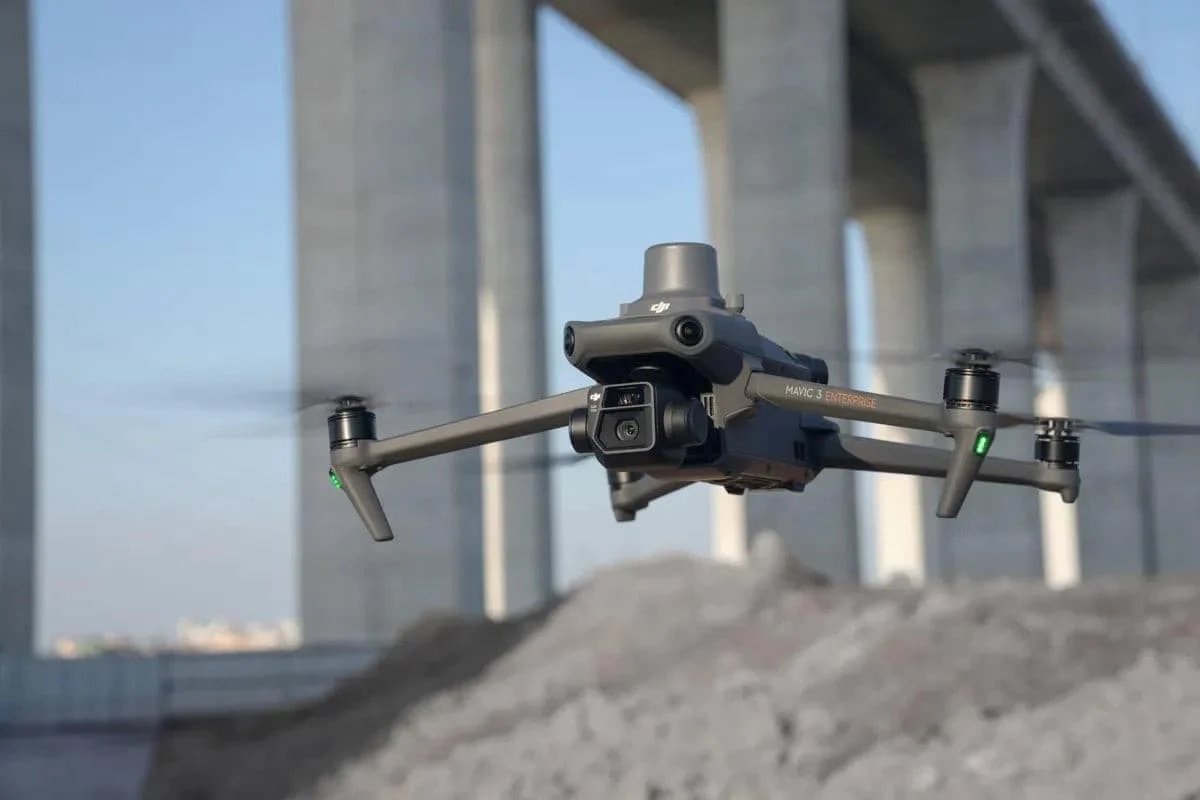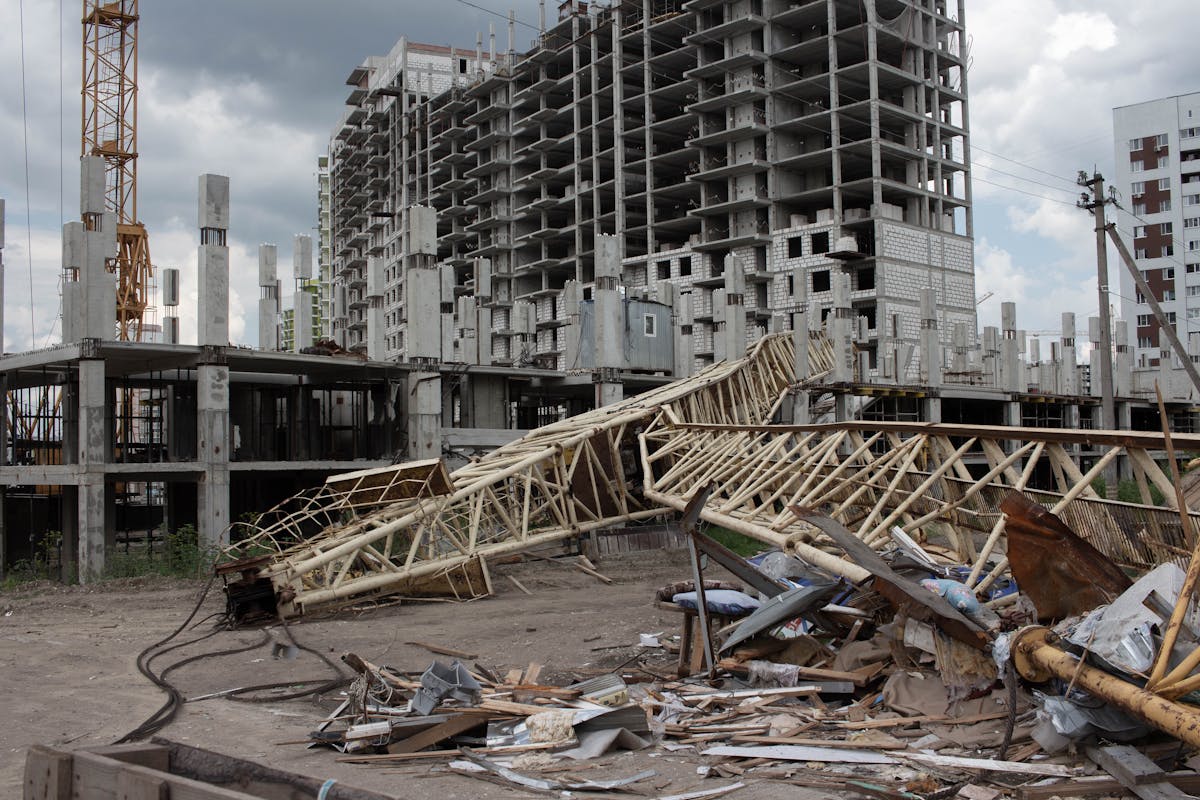
When a building owner decides not to invest in as-built documentation, the decision usually comes down to cost. Scanning a commercial building costs $3,000 to $15,000. For a building with no immediate renovation plans, that can feel like spending money on something with no immediate return.
The problem with this logic is that it only accounts for the cost of documentation. It ignores the cost of not having it — costs that are harder to see, harder to predict, and almost always harder to absorb when they arrive.
Those costs are real. They show up as change orders during renovation. As return site visits when missing dimensions delay design. As schedule overruns when field conditions do not match assumptions. As legal exposure when disputes arise without verified records. As lost institutional knowledge when the one person who “knows where everything is” leaves.
The construction industry has measured these costs, and the numbers are sobering.
The False Economy

The math of as-built documentation is straightforward, though frequently ignored.
Scanning a typical commercial building floor (10,000 to 50,000 square feet) costs between $3,000 and $15,000 depending on building size and complexity. For residential properties, the cost is typically $1,000 to $4,000.
A single change order caused by undocumented existing conditions on a commercial renovation project averages $15,000 to $45,000. The average commercial renovation project without accurate as-builts generates 3 to 5 such change orders. That means the cost of not having documentation — on a single renovation project — is typically $50,000 to $150,000 in preventable additional costs.
The scanning cost is a one-time investment. The documentation serves every future project, every maintenance decision, every insurance claim, and every property transaction for the life of the building. The change orders are project-specific costs that recur with every renovation.
Put simply: the cost of as-built documentation is measured in thousands. The cost of not having it is measured in tens of thousands — per project.
Cost 1: Renovation Change Orders
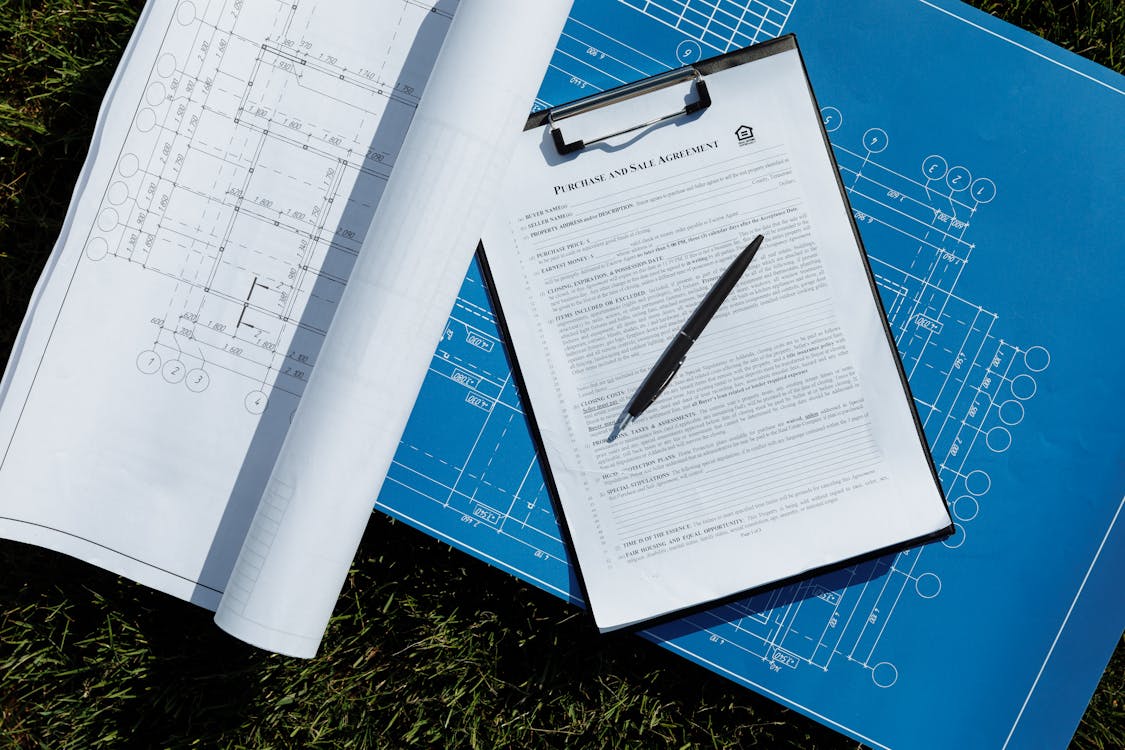
Change orders are the most visible and most expensive consequence of inadequate as-built documentation. When a renovation design is based on inaccurate or incomplete information about existing conditions, the resulting construction conflicts are resolved through change orders — additional costs for work that was not anticipated in the original contract.
Industry research consistently shows that 5 to 15 percent of renovation project costs come from change orders related to inaccurate existing-conditions data. On a $500,000 commercial renovation, that translates to $25,000 to $75,000 in additional costs. On a $2 million project, $100,000 to $300,000.
The most common triggers for existing-conditions change orders include:
- Undocumented MEP conflicts — New ductwork, piping, or conduit routes crash into existing systems that were not shown on drawings. Rerouting requires redesign, additional materials, and extended labor. For more on this, see our guide to MEP as-built documentation.
- Structural surprises — Load-bearing elements are discovered in locations where the design assumed non-structural walls. The structural engineer must redesign, the contractor must modify the work, and the schedule absorbs the delay.
- Dimensional mismatches — The existing floor plan shows a room at 20 feet wide, but the actual dimension is 19 feet 2 inches. The furniture layout, workstation plan, or equipment installation that was designed for 20 feet does not fit.
Every one of these change orders is preventable with accurate pre-renovation as-built documentation. For a detailed look at how as-builts prevent renovation problems, see our guide on as-built documentation for renovation projects.
Cost 2: Return Site Visits
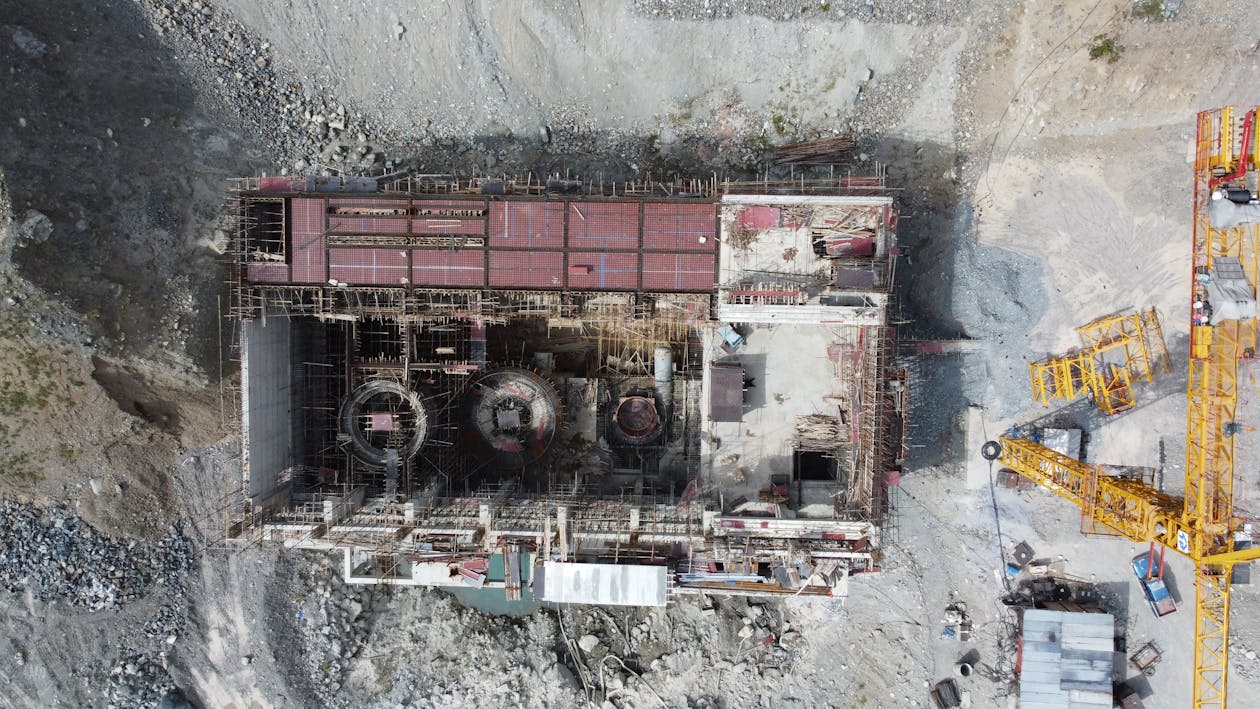
When as-built documentation is incomplete — whether it was never created or was created with gaps — the design team will need additional information during the design process. Every missing dimension, every undocumented system, every question about existing conditions requires someone to return to the building and take the missing measurement.
The average renovation design project without comprehensive as-built documentation generates 2 to 3 return site visits for supplemental measurements. Each visit involves:
- Scheduling coordination with building management and tenants
- Travel time for the survey crew
- 2 to 8 hours of on-site measurement
- Processing and integration of new data into the design documents
The direct cost of each return visit ranges from $500 to $2,000 depending on location, crew size, and scope. But the indirect cost — the design schedule delay while the team waits for missing data — is typically far greater. A two-week delay in schematic design because of a missing ceiling height measurement costs more in extended design fees and compressed construction schedules than the measurement itself.
3D laser scanning eliminates return visits entirely. The point cloud captures every visible dimension in a single site visit. If the design team needs a measurement that was not specifically requested — the distance between two columns, the height of a beam above a ceiling, the offset between a duct and a sprinkler head — it is already in the data.
Cost 3: Schedule Delays

Time is money in construction, and schedule delays caused by undocumented existing conditions are among the most expensive consequences of inadequate documentation.
When a contractor discovers field conditions that do not match the design documents, construction stops in the affected area while the design team revises the plans to accommodate the actual conditions. Depending on the complexity of the conflict, this redesign process takes 1 to 4 weeks.
During that time:
- The general contractor incurs general conditions costs ($2,000 to $5,000 per day on a mid-size commercial project)
- Subcontractors who cannot work in the affected area are either idle or reassigned to other projects, creating coordination problems later
- The project schedule compresses, potentially requiring overtime or additional crews to recover lost time — at premium cost
- If the project has a firm occupancy date (and most commercial projects do), schedule delays can trigger liquidated damages or lost lease revenue
A single significant existing-conditions surprise that causes a two-week delay on a $1 million renovation can cost $20,000 to $50,000 in direct general conditions costs alone, before accounting for premium-time recovery costs and potential liquidated damages.
Cost 4: Legal Exposure

Construction disputes are common, expensive, and time-consuming. According to industry data, the average construction dispute in North America exceeds $30 million in claimed damages. While most disputes involve large commercial and infrastructure projects, even small disputes consume significant resources in legal fees, expert witnesses, and management time.
As-built documentation — or the lack thereof — plays a central role in many construction disputes.
Disputes Over Existing Conditions
When a renovation contractor encounters conditions that differ from the design documents, the question of who bears the cost depends on whether the owner provided accurate existing-conditions information. If the owner represented that the design documents reflected actual conditions, and they did not, the owner may be liable for the resulting change order costs.
Accurate as-built documentation, produced by an independent scanning firm before the design phase, provides the owner with defensible evidence that the existing-conditions data was objectively measured and accurately represented.
Disputes Over Installed Work
After construction, disputes sometimes arise about whether the work was installed as designed. As-built documentation created at the end of construction — including scan-based records of the completed work — provides objective evidence of what was actually built. This documentation can resolve disputes quickly, without the expense of expert testimony and forensic investigation.
Insurance Disputes
As we discuss in our guide on as-built documentation for insurance claims, pre-loss documentation significantly strengthens insurance claims and reduces the likelihood of disputes over pre-loss conditions.
Cost 5: Lost Institutional Knowledge
Buildings outlast the people who manage them. The facility manager who has worked in a building for 20 years knows where every shut-off valve is located, which ceiling tiles provide access to critical equipment, and what happened during the last three renovations. That knowledge has enormous operational value.
But when that person retires, changes jobs, or is unavailable during an emergency, the knowledge goes with them — unless it has been captured in documentation.
The cost of lost institutional knowledge is difficult to quantify precisely, but it manifests in several measurable ways:
- Emergency response time increases when maintenance staff cannot quickly locate critical equipment or shut-off points
- Maintenance efficiency decreases when technicians must search for equipment that a predecessor knew by memory
- Renovation planning becomes more expensive when historical knowledge of past modifications is lost
- Training time for new facility staff increases when no documentation exists to supplement in-person knowledge transfer
As-built documentation transforms institutional knowledge from a personal asset into an organizational asset. The documentation does not retire, take vacation, or forget. It is always available, always accurate (when maintained), and always accessible to anyone who needs it.
The 48 Percent Rework Problem
The FMI/Autodesk Construction Disconnected report found that 48 percent of all rework in the construction industry is attributable to poor project data and miscommunication. Applied to the U.S. construction industry’s $2+ trillion annual output, that translates to hundreds of billions of dollars in wasted work — and a significant portion of that waste traces directly to the absence of accurate as-built documentation.
For individual building owners, the 48 percent statistic means that nearly half of all rework on their renovation projects could be prevented with better information. And the single most impactful source of “better information” for renovation projects is accurate documentation of what currently exists in the building.
ROI Calculation: A Typical Scanning Project
Let us run the numbers on a concrete example.
Building: A 30,000 square foot commercial office building, 25 years old, with multiple past tenant improvements and no current as-built documentation.
Scanning cost: $8,000 for comprehensive 3D laser scanning, registration, and point cloud delivery.
Scenario: A 15,000 square foot renovation project is planned at a construction cost of $750,000.
Without as-builts:
- Change orders from undocumented conditions: $45,000 (6 percent of construction cost — conservative estimate)
- Return site visits during design: $3,000 (2 visits)
- Schedule delay (1 week): $15,000 in general conditions
- Total preventable cost: $63,000
With as-builts:
- Scanning cost: $8,000
- Change orders from undocumented conditions: Near zero (conditions are documented)
- Return site visits: Near zero (point cloud contains all measurements)
- Schedule delay from condition surprises: Near zero
- Total cost: $8,000
Net savings on first renovation: $55,000
Return on investment: 688 percent
And the as-built documentation remains available for every future renovation, every maintenance task, every insurance claim, and every property transaction — at no additional cost. The ROI compounds with each use.
For detailed pricing by building type and project scope, see our as-built documentation cost guide or try our cost calculator.
When the Cost of Not Having Documentation Is Highest
While every building benefits from as-built documentation, certain situations amplify the cost of not having it.
Buildings approaching renovation. The closer a building is to a major renovation project, the higher the ROI of pre-renovation scanning. If renovation is planned within the next 1 to 3 years, scanning now prevents the most expensive category of costs — construction change orders.
Buildings with complex MEP systems. Hospitals, data centers, laboratories, and manufacturing facilities have dense, complex mechanical, electrical, and plumbing infrastructure. Undocumented MEP conditions in these buildings generate the largest and most expensive change orders.
Buildings in high-cost markets. In cities where construction labor rates are highest — New York, San Francisco, Boston, Miami — the cost of change orders and schedule delays is proportionally higher, making the ROI of scanning even more favorable.
Buildings with no surviving documentation. When a building has no original drawings, no record drawings, and no as-built documentation of any kind, every future project starts from zero. The first renovation on an undocumented building absorbs the full cost of discovering conditions in the field — a cost that is entirely preventable.
Portfolio properties. For building owners managing multiple properties, the cumulative cost of not having documentation across the portfolio can be staggering. Scanning an entire portfolio and building a documentation library creates compounding value across every property and every project.
Frequently Asked Questions
Q: Is as-built documentation worth it if I have no plans to renovate?
Yes. Renovation is the highest-value use case, but as-built documentation also supports maintenance operations, insurance documentation, lease administration, compliance verification, and property transactions. Buildings change ownership, and the buyer of your building will need accurate documentation — its presence or absence can affect the sale price.
Q: What is the typical ROI of as-built documentation?
For buildings that undergo renovation, the ROI is typically 300 to 1,000 percent — the prevented change orders alone far exceed the scanning cost. For buildings used primarily for facility management and maintenance, the ROI is harder to quantify but is realized through faster emergency response, more efficient maintenance, and reduced reliance on individual institutional knowledge.
Q: Can I do partial documentation to save cost?
Yes. If budget is constrained, prioritize the areas most likely to be renovated or the systems most likely to need maintenance or replacement. Mechanical rooms, electrical rooms, and primary MEP distribution corridors are high-value documentation targets. Our team can help you scope a phased approach that maximizes value within your budget.
Q: How long does as-built documentation remain valid?
As-built documentation remains valid until the building is modified. After any significant modification — tenant improvement, system replacement, structural alteration — the documentation should be updated in the affected areas. For buildings with no modifications, documentation remains accurate indefinitely.
Q: What is the most common mistake building owners make regarding as-built documentation?
Waiting until a renovation is already in design to discover that no accurate documentation exists. At that point, the scanning must be fast-tracked to avoid further delaying the design schedule, the project team is already under pressure, and the cost of managing without documentation during the design phase has already been incurred. The most cost-effective time to scan is before the need arises — as a proactive investment rather than a reactive expense. See our guide on common as-built documentation mistakes for more pitfalls to avoid.
Q: Does the age of the building affect whether I need documentation?
Older buildings need documentation more urgently. The longer a building has been in service, the more modifications have accumulated, and the less likely it is that any existing drawings reflect current conditions. Buildings over 20 years old with no recent documentation should be considered high-priority candidates for scanning.
Stop paying the hidden costs of missing documentation. Get a quote from THE FUTURE 3D for professional as-built documentation powered by 3D laser scanning — or explore our complete as-built documentation services.
Ready to Start Your Project?
Get a free quote and consultation from our 3D scanning experts.
Get Your Free Quote