Rework is one of the most expensive and persistent problems in the construction industry. A widely cited NIST study estimated that inadequate interoperability in the U.S. capital facilities sector costs $15.8 billion annually — with a substantial portion attributable to rework, change orders, and information handoff failures between project phases.
More recent industry data puts the direct cost of rework at roughly 12% of total project value for projects that do not use reality capture technology. That number drops to 5-7% on projects that integrate 3D scanning into their QA/QC workflows.
This guide explains how 3D scanning reduces rework on construction projects, the specific applications where it delivers the most value, what it costs, and when during the construction lifecycle you should be scanning.
The Rework Problem in Construction
Rework — the process of redoing work that was already completed because it does not match design intent, fails quality standards, or conflicts with other building systems — accounts for an average of 5-15% of total construction costs depending on the project type and quality management practices.
The root causes are well documented:
- Inaccurate existing-condition data — Design based on incorrect field measurements leads to elements that do not fit when installed
- Design-to-field deviations — Structural elements, embeds, and rough-ins placed in slightly wrong positions create cascading conflicts
- Coordination failures — MEP systems clash with structure or with each other because design coordination relied on incomplete information
- Undocumented field changes — Modifications made during construction are not captured, leading to conflicts in later phases
- Manual QA processes — Spot-checking with tape measures catches only a fraction of deviations before they become embedded in the work
The construction industry has historically accepted rework as a cost of doing business. But as project complexity increases and margins tighten, the firms that find ways to reduce rework gain a measurable competitive advantage.
How 3D Scanning Reduces Rework
3D laser scanning attacks the rework problem at its source: it replaces assumption-based information with measured reality. Instead of relying on manual spot-checks and human interpretation, project teams get a comprehensive 3D record of exactly what exists on site at any point during construction.
Objective As-Built vs Design Comparison
The most direct rework-prevention application is comparing what was built against the design model. A 3D scan captures the as-built condition with millimeter-level accuracy, and software tools overlay that scan data against the BIM model or design drawings to generate deviation maps.
These deviation maps show exactly where the built work differs from design intent — and by how much. Instead of discovering a 2-inch structural slab deviation when the curtain wall crew arrives, the project team identifies it within days of the concrete pour and corrects it while the fix is still straightforward.
Pre-Installation Verification
Before major systems are installed — mechanical equipment, curtain wall panels, prefabricated assemblies — scanning the receiving conditions verifies that everything is in the right position to accept the new work. This is especially critical for prefabricated construction, where components manufactured off-site must fit precisely into as-built conditions.
A scan of the structural frame before MEP rough-in begins can prevent weeks of rework caused by embeds, sleeves, or openings that are not where the coordination model expected them to be.
Progress Documentation
Regular scanning throughout construction creates a measured record of project progress. This documentation serves multiple purposes:
- Schedule verification — Quantify actual progress against planned milestones using 3D comparison
- Payment validation — Provide measured evidence of completed work for progress billing
- Dispute resolution — Time-stamped 3D records settle disagreements about what was installed and when
- Handoff verification — Ensure each trade leaves conditions within tolerance before the next trade begins
Clash Detection Data
While the 3D scan itself does not perform clash detection (that requires a BIM model), the scan data provides the measured reality that makes clash detection meaningful. By comparing the as-built point cloud against the coordination model, project teams identify real-world clashes — not just theoretical ones — and can prioritize resolutions based on actual field conditions.
Key Applications on Active Construction Sites
Foundation and Structural Verification
Scanning the foundation after concrete placement verifies that anchor bolt locations, embed positions, slab elevations, and wall positions are within tolerance. For steel erection projects, scanning the foundation before steel arrives prevents the costly scenario of steel members that do not fit their anchor bolts.
MEP Rough-In Coordination
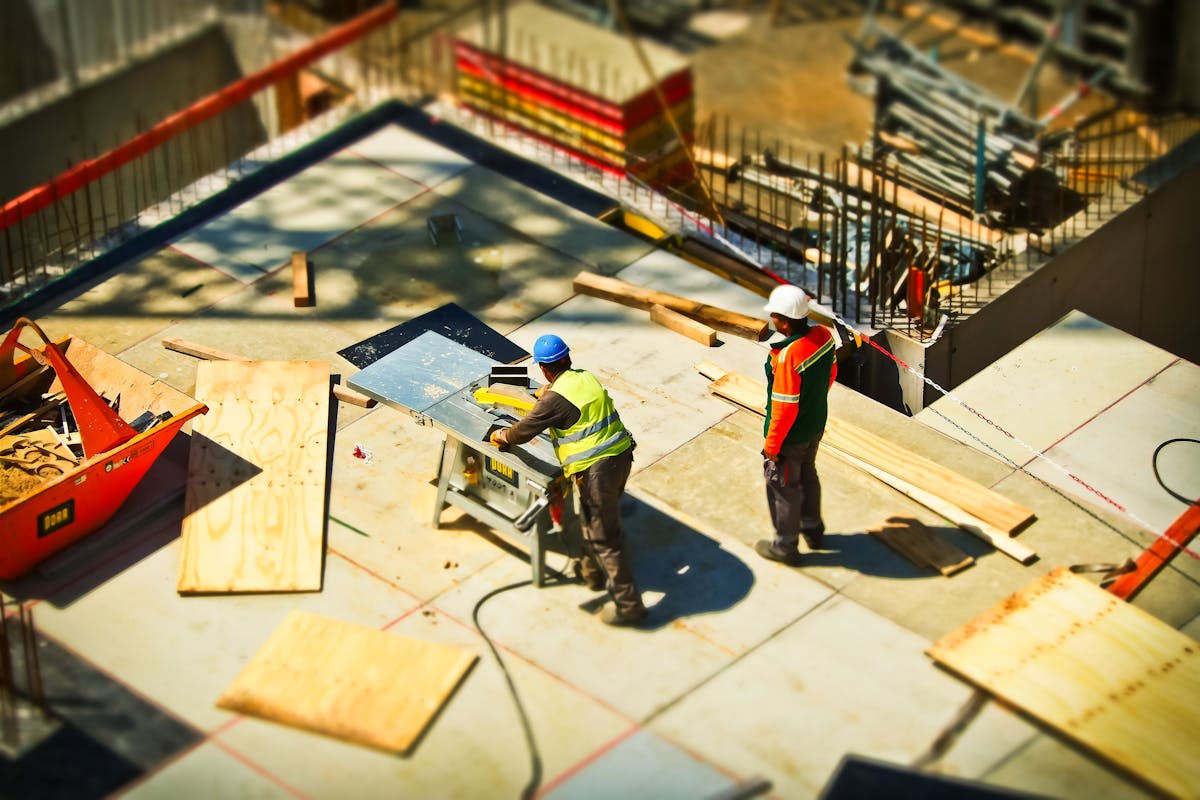
The most complex coordination challenges on commercial construction projects involve MEP systems. Ductwork, piping, conduit, cable trays, and equipment all compete for space in ceilings, walls, and mechanical rooms. Scanning the structural frame and early rough-in work provides measured field conditions that coordination teams can compare against the MEP model to catch conflicts before they become installed problems.
Facade and Curtain Wall Installation
Curtain wall and facade systems require precise alignment with the structural frame. Scanning the building frame before curtain wall fabrication provides the actual geometry that the facade engineer needs to design connections and verify panel dimensions. This prevents the expensive field modifications that occur when panels arrive and the structure is not where the drawings said it would be.
Concrete Flatwork and Floor Levelness
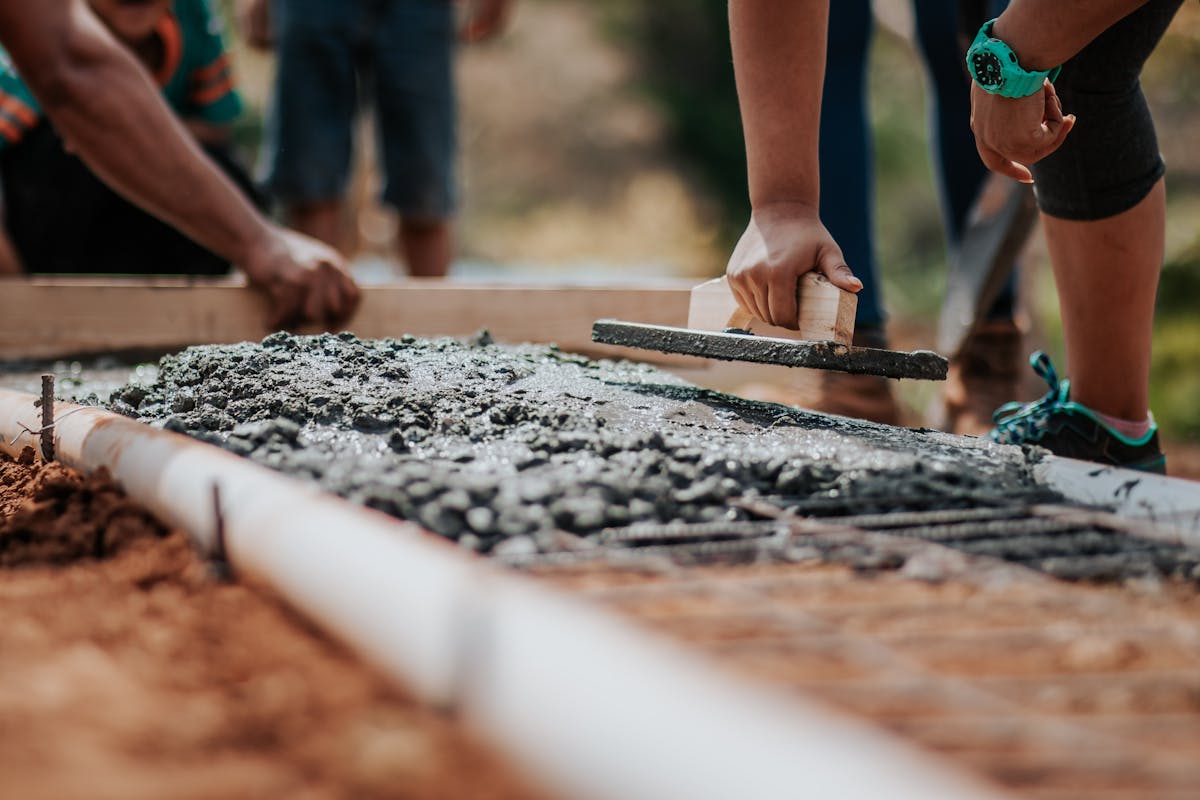
Scanning freshly placed concrete slabs generates detailed floor flatness (FF) and floor levelness (FL) data across the entire surface — not just at spot-check locations. This comprehensive measurement identifies areas that need remediation (grinding, self-leveler) before finishes are installed, preventing the much more expensive fix of addressing floor issues after tile, carpet, or raised floor systems are in place.
As-Built Documentation for Closeout
At project completion, a final 3D scan creates a comprehensive as-built record of the finished building. This documentation is increasingly required by owners for facility management, future renovation planning, and insurance purposes. The scan data can be delivered in formats ready for import into the owner’s facility management systems.
For more on as-built documentation practices, see our guide on as-built drawings.
When construction projects require drainage engineering after site scanning, CivilSmart Engineering delivers PE-stamped drainage designs across all 67 Florida counties — from residential grading plans to commercial stormwater management systems.
The Scanning Workflow on Active Construction Sites
Working on active construction sites requires a scanning approach that accommodates the realities of ongoing work: moving equipment, active trades, changing conditions, and tight schedules.
Planning and Coordination
The scanning team coordinates with the project superintendent to schedule scan sessions around construction activity. Scanning works best during shift changes, off-hours, or planned work stoppages. Critical areas that need scanning are identified in advance based on the construction schedule and coordination priorities.
Field Capture
Terrestrial laser scanners are set up at positions throughout the area being documented. Each scan position takes 2-5 minutes and captures a 360-degree point cloud of its surroundings. The scanner is portable and does not require power connections — it operates on battery — so it can be positioned anywhere on site.
For a typical floor of a commercial building (20,000-30,000 sqft), field scanning takes 4-8 hours. The scanner can operate alongside active construction work as long as the immediate scan area is clear of moving equipment.
Processing and Delivery
Scan data is processed off-site. Individual scan positions are registered into a unified point cloud, cleaned of noise and temporary objects, and delivered in the formats the project team needs — typically E57 for broad compatibility, RCP/RCS for Autodesk workflows.
Standard processing and delivery takes 1-2 business days. Rush delivery is available for time-critical comparisons.
Integration with Project Workflow
The delivered point cloud is imported into the project’s BIM coordination software (Navisworks, BIM 360, Trimble Connect) or overlaid against design models in Revit. Deviation analysis, clash identification, and progress documentation are performed by the project team using the scan data as the measured baseline.
Cost vs Savings Analysis
Scanning Costs for Construction Projects
| Application | Typical Cost | Frequency |
|---|---|---|
| Foundation verification scan | $3,000 - $8,000 | Once, after concrete placement |
| Floor-by-floor progress scan | $3,000 - $10,000 per floor | Monthly or per milestone |
| MEP coordination scan | $5,000 - $15,000 | 2-3 times during rough-in |
| Full building as-built (closeout) | $10,000 - $50,000+ | Once, at project completion |
| Per square foot | $0.20 - $0.70/sqft | Varies by scope |
Detailed pricing information is available in our 3D scanning cost guide. You can also estimate costs for your project using our interactive cost calculator.
Savings Framework
The savings from scanning compound across the project lifecycle:
Direct rework avoidance — Industry data indicates 3D scanning reduces rework costs by 20-52% on projects where it is used for verification. On a $20 million commercial project where rework typically costs 12% ($2.4 million), reducing that to 6% saves $1.2 million.
Reduced change orders — Scanning catches deviations early when fixes cost 10-100x less than they would later. A 2-inch structural deviation caught at concrete pour costs $5,000 to fix. The same deviation discovered at curtain wall installation costs $50,000-$200,000.
Compressed schedule — Fewer rework events mean fewer schedule disruptions. Construction projects using regular scanning report 10-15% shorter schedules on average, which reduces general conditions costs proportionally.
Lower insurance and claims exposure — Documented as-built conditions with time-stamped 3D records reduce the risk and cost of construction defect claims. The scan data provides objective evidence of conditions at each project phase.
For most commercial construction projects, the total scanning investment across the project lifecycle represents 0.1-0.5% of the total construction budget — while the documented savings from rework reduction, schedule compression, and claims avoidance can reach 5-15% of the project budget.
When to Scan During the Construction Lifecycle
Timing matters. Scanning at the right points in the construction sequence maximizes the value of the data and minimizes disruption to active work.
Pre-Construction (Existing Conditions)
If the project involves renovation, addition, or work adjacent to existing structures, scanning existing conditions before design development begins provides the measured baseline that prevents design-to-field conflicts. This is the single highest-ROI scanning investment on any renovation project.
After Foundation / Structural Concrete
Verifying anchor bolt locations, embed positions, and slab elevations after concrete placement and before steel erection catches structural deviations at the point where they are cheapest to fix.
During MEP Rough-In (2-3 Scans)
Scanning at the beginning of rough-in (to verify conditions), midway through (to catch coordination issues), and before close-up (final verification) provides layered quality control for the most complex building systems.
Before Finishes
A scan before finish work begins creates the last opportunity to catch issues hidden behind drywall, above ceilings, or under floors. Once finishes are installed, finding and fixing problems becomes dramatically more expensive.
Project Closeout
A final as-built scan creates the definitive record of the completed building. This data serves the owner for facility management, future renovation planning, and regulatory compliance documentation.
Frequently Asked Questions
Does 3D scanning slow down construction?
No. Modern laser scanners operate independently alongside active construction work. A scanner set up in a corner of an active floor captures its data in 2-5 minutes per position and requires only that the immediate scan area (about 10 feet radius) is clear of moving equipment. Most scanning is scheduled during shift changes or off-hours to minimize any impact on production work.
What is the accuracy of construction 3D scanning?
Terrestrial laser scanners used for construction verification achieve accuracy of 1-4 millimeters. This is more than sufficient for structural verification, MEP coordination, and as-built documentation. By comparison, manual tape measurements introduce average errors of 6-12 millimeters, and field conditions tolerances in commercial construction are typically 0.25-0.5 inches (6-12mm).
Can scanning replace manual quality inspections?
Scanning complements manual inspections rather than replacing them. A laser scan provides comprehensive dimensional verification of geometry — positions, sizes, alignments, and deviations. Manual inspections still cover workmanship quality, material condition, finish quality, and installation compliance that geometry alone does not address. The combination of both produces the most complete QA/QC program.
How often should we scan during construction?
The optimal frequency depends on project complexity and budget. At minimum, scanning at foundation completion, before close-up (MEP verification), and at project closeout provides high-value data at the most critical decision points. High-complexity projects benefit from monthly or milestone-based scanning throughout construction.
What file formats are delivered?
Standard deliverables include registered point clouds in E57 (universal format), RCP/RCS (Autodesk Revit and ReCap), and LAS (surveying/GIS). The specific formats are determined during project scoping based on the software platforms your team uses. For more on how 3D scanning works and the formats produced, see our technology guide.
Ready to reduce rework on your next construction project? Get a quote from THE FUTURE 3D or explore our 3D laser scanning services to learn how we deliver production-ready point cloud data for construction verification.
Ready to Start Your Project?
Get a free quote and consultation from our 3D scanning experts.
Get Your Free Quote